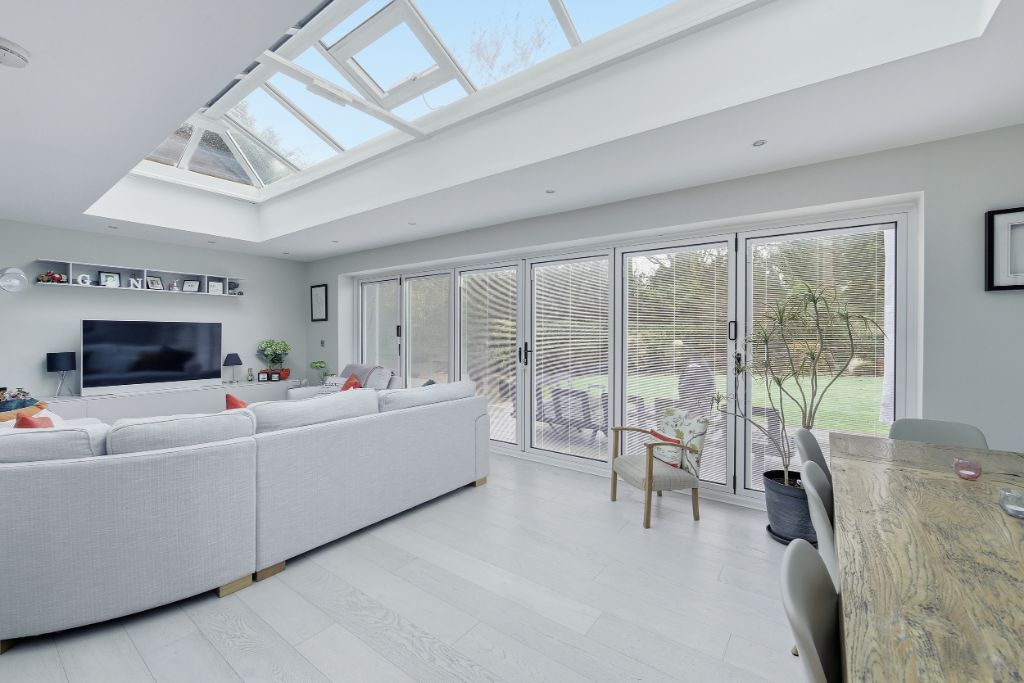


Your roofline quietly protects your home every single day. Although most homeowners rarely think about it, the roofline plays a crucial role in keeping rain out, preventing damp, and ensuring your property remains structurally sound.
In simple terms, roofline products are the components that sit where your roof meets your walls. When installed correctly and made from durable materials, they help protect your home from weather damage, pests, and long-term structural issues.

What Does Roofline Mean?
The roofline is the point where your roof structure connects to your external walls. Instead of being left exposed, this area is covered with protective boards and drainage systems that create a neat, weatherproof finish.
A well-designed roofline stops water from entering your loft or attic while also allowing controlled airflow to prevent condensation and damp build-up.
- Weather protection: Prevents rainwater from seeping into your roof structure.
- Pest control: Blocks birds and small animals from nesting in your eaves.
- Moisture management: Reduces the risk of condensation-related problems.
- Aesthetic finish: Creates a clean, polished look along the edge of your roof.

The Three Key Roofline Products
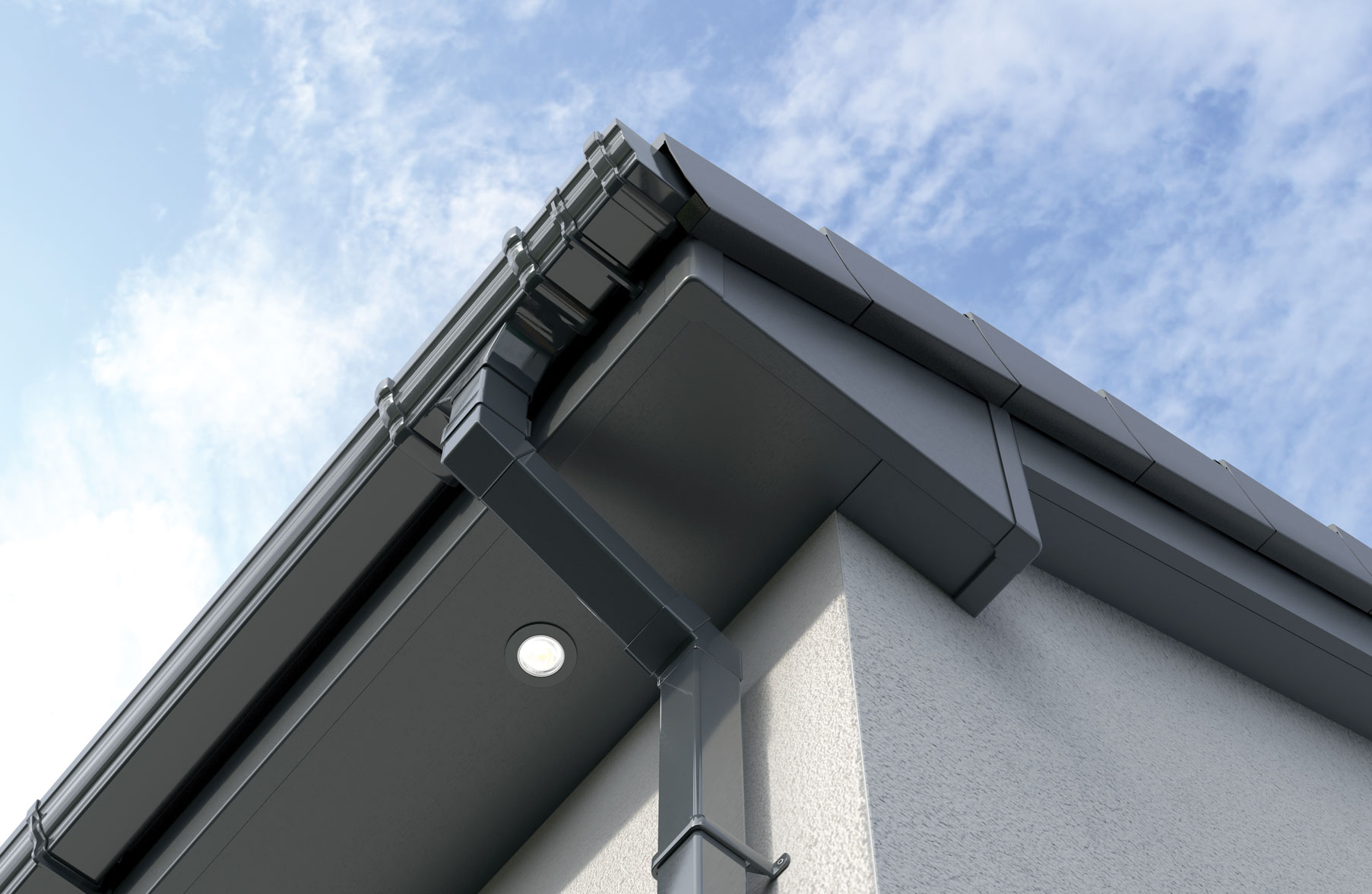
Most residential rooflines are made up of three main elements: fascias, soffits, and gutters. Each one has a specific job, but together they form a complete protective system.
Fascias
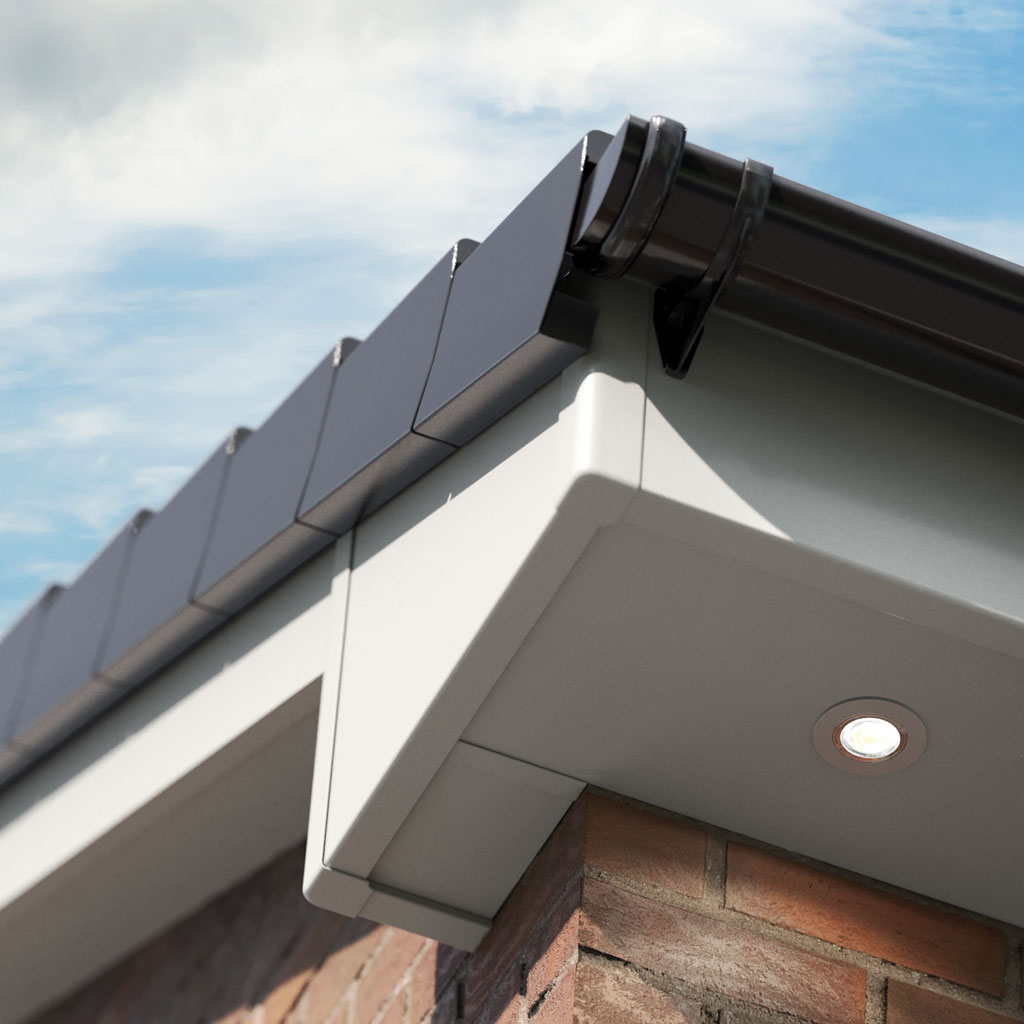
A fascia board runs horizontally along the edge of your roof, directly beneath the bottom row of tiles. It is one of the most visible parts of your roofline and plays a structural role.
- Supports your gutters: Provides a solid fixing point for drainage systems.
- Protects roof rafters: Shields timber from rain and moisture.
- Improves kerb appeal: Creates a clean, straight roof edge.
- Strengthens the roofline: Helps keep the structure secure and aligned.

Soffits
The soffit sits underneath the fascia, forming the underside of the roof overhang. Although less visible, it is just as important as the fascia.
Modern soffits are often vented to allow fresh air to circulate through your loft or attic space. This airflow helps prevent condensation, mould, and rot.
- Vented options: Improve airflow and reduce damp risk.
- Non-vented options: Suitable for narrower roof overhangs.
- Moisture resistance: Protects the roof structure from internal humidity.
- Neat finish: Conceals the underside of roof rafters.

Gutters
Gutters sit along the fascia and channel rainwater away from your home. Without effective guttering, water could damage your brickwork, foundations, or roof structure.
- Directs water safely away: Prevents wall and foundation erosion.
- Reduces damp risk: Stops water pooling near your property.
- Works with fascias: Relies on strong fascia boards for secure fixing.
- Low maintenance options: Modern uPVC gutters are easy to clean.

Additional Roofline Components
Beyond the main three elements, there are extra features that improve performance and appearance.
- Capping boards: Cover older timber fascias for a refreshed look.
- Finishing trims: Neaten corners and joints for a professional finish.
- Ventilators: Help regulate airflow in roof spaces.
- Board clips: Add strength and stability to soffit installations.

Which Material Is Best?
Traditionally, many homes used timber fascias and soffits. While attractive, wood requires regular maintenance and can rot, warp, or crack over time.
Today, most homeowners choose uPVC roofline products because they are weather-resistant, durable, and virtually maintenance-free.
- No painting required: Keeps its colour for years.
- Resistant to rot: Does not absorb moisture.
- Easy to clean: Simply wipe down when needed.
- Long lifespan: Designed to last decades.
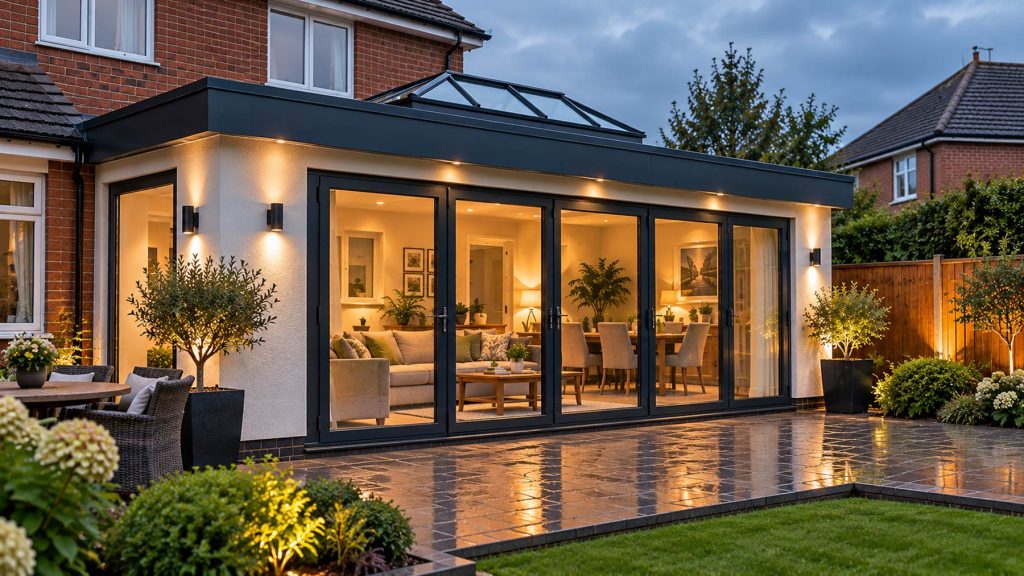
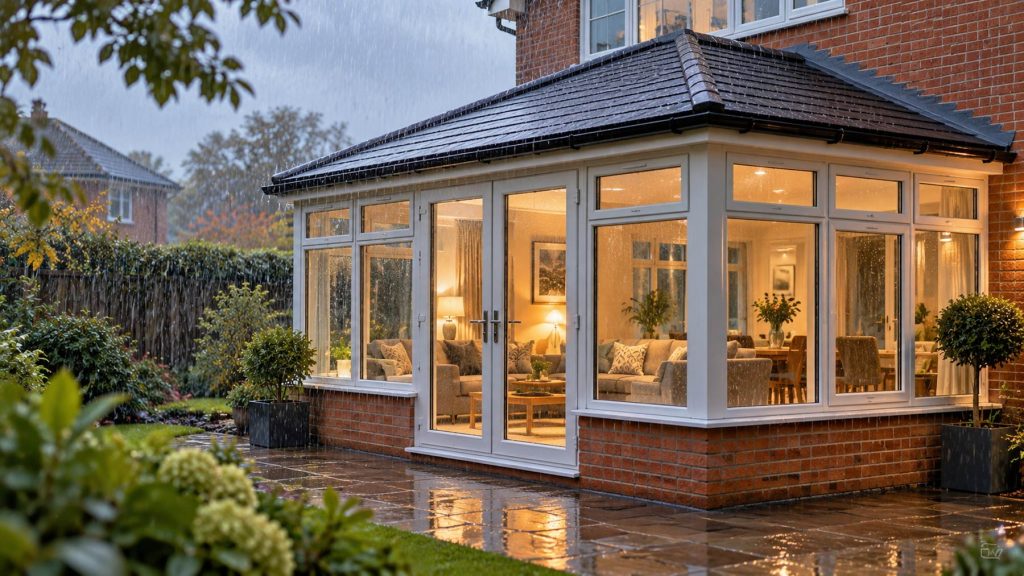
If you are upgrading other parts of your home at the same time, you might also want to consider how your roofline complements your new tiled conservatory roofs, solid conservatory roofs, or even your wider living spaces.

Why Roofline Products Matter
A strong roofline protects your home from long-term damage. Small issues, such as cracked fascias or blocked gutters, can quickly turn into costly repairs if left untreated.
Replacing tired roofline products not only improves protection but also enhances your home’s appearance and value.
- Prevents structural damage: Stops water reaching rafters and walls.
- Improves energy efficiency: Better ventilation reduces condensation.
- Boosts kerb appeal: Fresh fascias and soffits modernise your property.
- Reduces maintenance: Durable materials mean fewer repairs.
For more guidance on how insulation and ventilation affect your home, the Energy Saving Trust explains why managing moisture and heat loss is so important: Energy Saving Trust.
When Should You Replace Your Roofline?
You should consider upgrading your roofline if you notice peeling paint, water stains in your loft, sagging gutters, or visible cracks in your fascia boards.
Modern uPVC systems offer a long-term solution that protects your home while giving it a clean, contemporary finish.
Bringing It All Together
Your roofline may not be the most glamorous part of your home, but it is one of the most important. High-quality fascias, soffits, and gutters work together to keep your property dry, safe, and looking its best.
If you are already planning home improvements, such as a conservatory roof upgrade, it makes sense to review your roofline at the same time. A well-designed roofline completes the look of your home and ensures it remains protected for years to come.
With the right materials and professional installation, your roofline will quietly do its job — keeping your home secure, weatherproof, and beautifully finished.
For more advice on roofing and home improvements, you may also find our comparison guide useful: Insulated tiled roof vs glass roof.