

EPDM Roofing
When you need to replace or upgrade a flat roof, the roofing material you choose can make a big difference to how the roof performs over time.
EPDM flat roofing has become a popular option for extensions, garages, porches, orangeries and other flat-roofed areas because it combines durability, flexibility and reliable waterproofing in a relatively low-maintenance system.
But what actually makes EPDM suitable for a flat roof, and what should you consider before choosing it?
What is EPDM flat roofing?
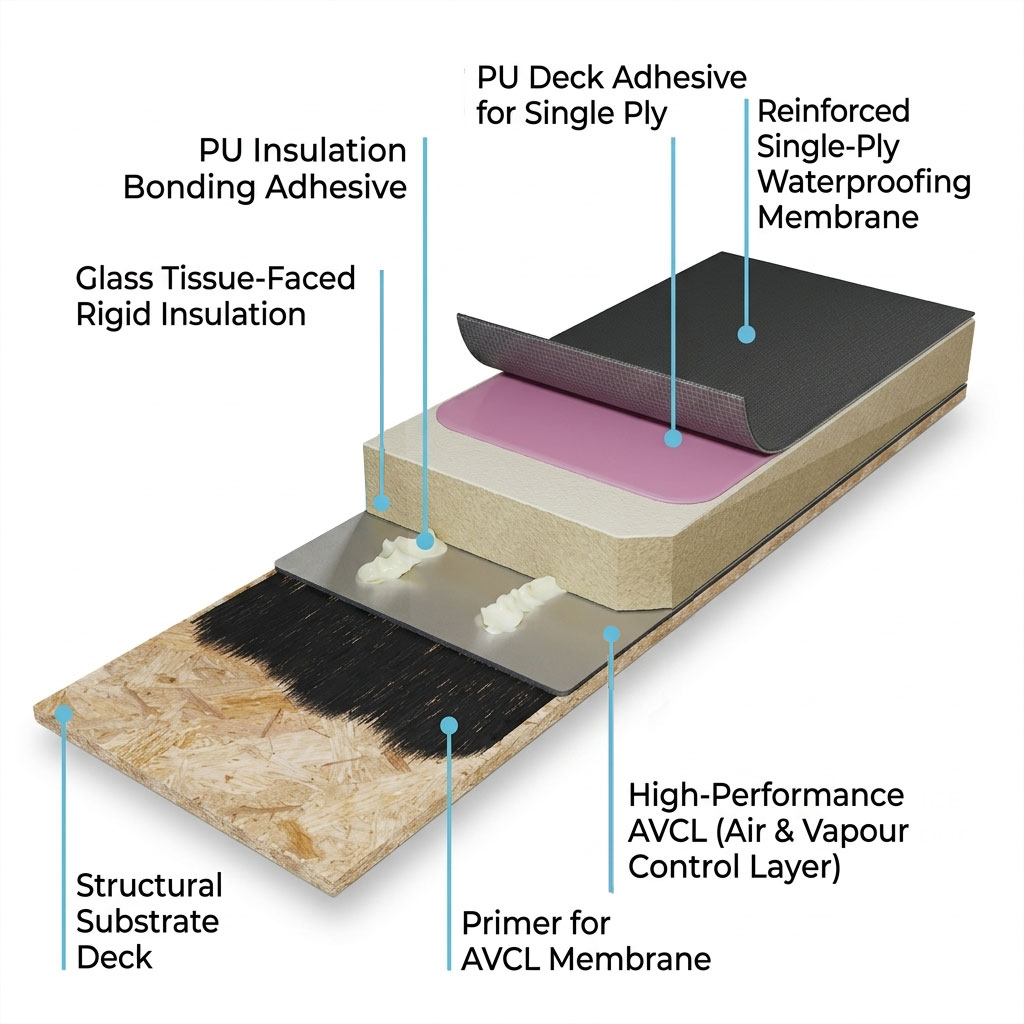
EPDM stands for ethylene propylene diene monomer. It is a synthetic rubber membrane designed for use in waterproofing applications, including flat and low-pitched roofs.
Unlike traditional overlapping roofing materials, EPDM can be supplied as a large membrane designed to cover the roof area with minimal joints. When correctly installed, this creates a continuous waterproof layer across the roof.
EPDM is commonly used on domestic flat roofs, including extensions, garages, porches and other smaller roof areas.
Why is EPDM well suited to flat roofs?
Flat roofs have different requirements from pitched roofs. Rainwater cannot simply run rapidly down a steep roof slope, so the roof covering needs to cope with moisture and changing weather conditions over a long period.
EPDM is particularly suited to this type of application because the membrane is flexible, waterproof and resistant to weathering.
When the roof has been properly designed, installed and drained, the membrane provides a continuous protective layer over the roof deck.

EPDM provides a waterproof roof covering
One of the main reasons homeowners choose EPDM is its ability to provide a reliable waterproof barrier.
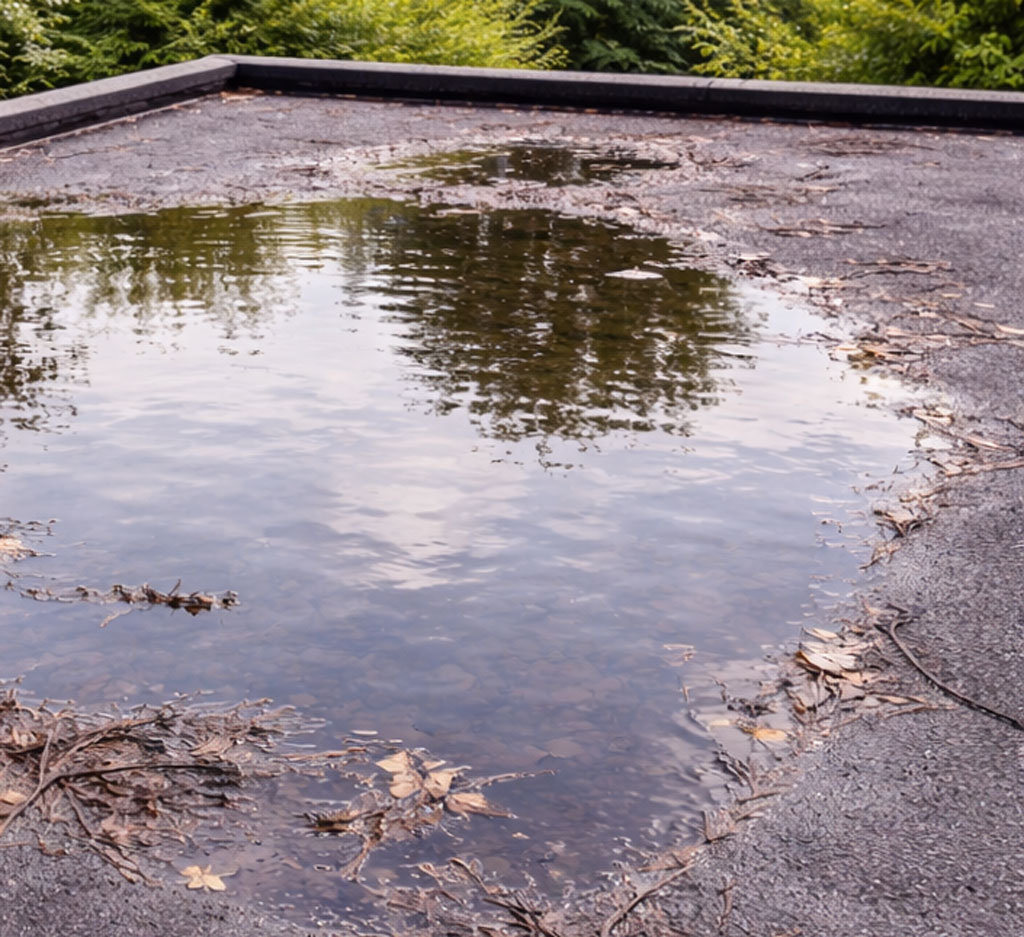
A correctly installed membrane is designed to prevent water from reaching the roof structure underneath. This is particularly important on flat roofs, where rainwater can remain on the surface for longer than it would on a pitched roof.
Good detailing around edges, walls, outlets and other junctions is just as important as the membrane itself. The quality of the installation and the manufacturer’s instructions should always be followed carefully.
It is flexible rather than rigid
Another useful characteristic of EPDM is its flexibility.
Buildings and roof structures can experience small amounts of movement as temperatures change. A flexible membrane can accommodate this movement more readily than a rigid roof covering, helping to reduce the risk of cracking caused by normal movement.
This flexibility can also make EPDM suitable for a variety of different roof shapes and layouts.
How does EPDM cope with British weather?
A flat roof has to cope with considerably more than rain.
Throughout the year, the membrane can be exposed to sunlight, temperature changes, wind, frost and prolonged periods of wet weather.
EPDM membranes are designed to resist UV radiation, ozone and weathering, helping them maintain their performance over many years.
- UV resistant: designed to withstand prolonged exposure to sunlight.
- Weather resistant: suitable for the changing conditions experienced by UK roofs.
- Flexible: able to accommodate normal movement within the roof structure.
- Waterproof: provides a continuous membrane designed to keep the roof structure dry.
EPDM can offer a long service life
Another attraction of EPDM is its long-term durability.
Manufacturers of established EPDM systems commonly quote service lives of around 50 years or more when the system is correctly installed and maintained. The exact lifespan will depend on the particular membrane, roof construction, installation and conditions.
That makes it worth considering as a long-term roofing solution rather than simply looking at the initial installation cost.

Does EPDM need much maintenance?
One of the practical advantages of an EPDM roof is that it does not require the same level of ongoing maintenance as some older roofing systems.
There is still a good reason to inspect any flat roof periodically. Leaves, branches and other debris should be removed, while gutters and outlets should be kept clear so that rainwater can drain away properly.
It’s also sensible to check the roof occasionally for any visible damage, particularly after severe weather.
What does an EPDM roof look like?
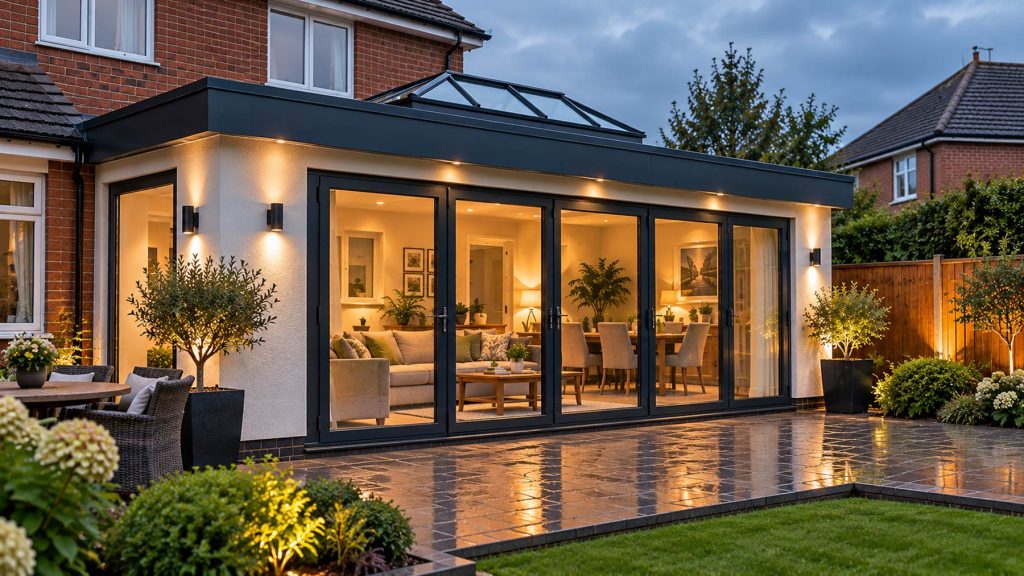
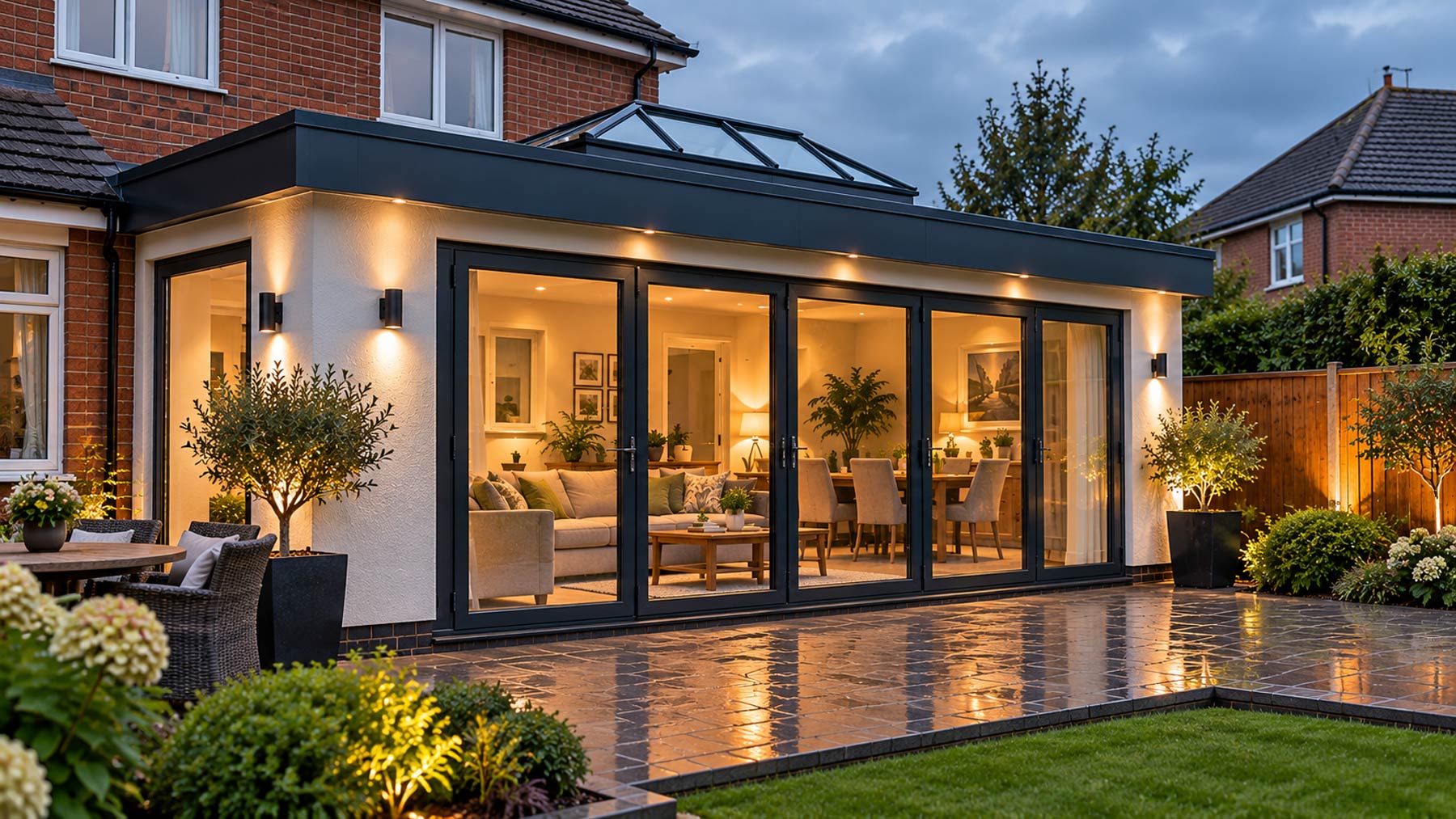
EPDM has a simple, clean appearance that works particularly well on modern flat-roofed extensions and smaller roof structures.
The membrane is generally dark grey or black and provides a neat finish around the edges of the roof when combined with suitable trims and detailing.
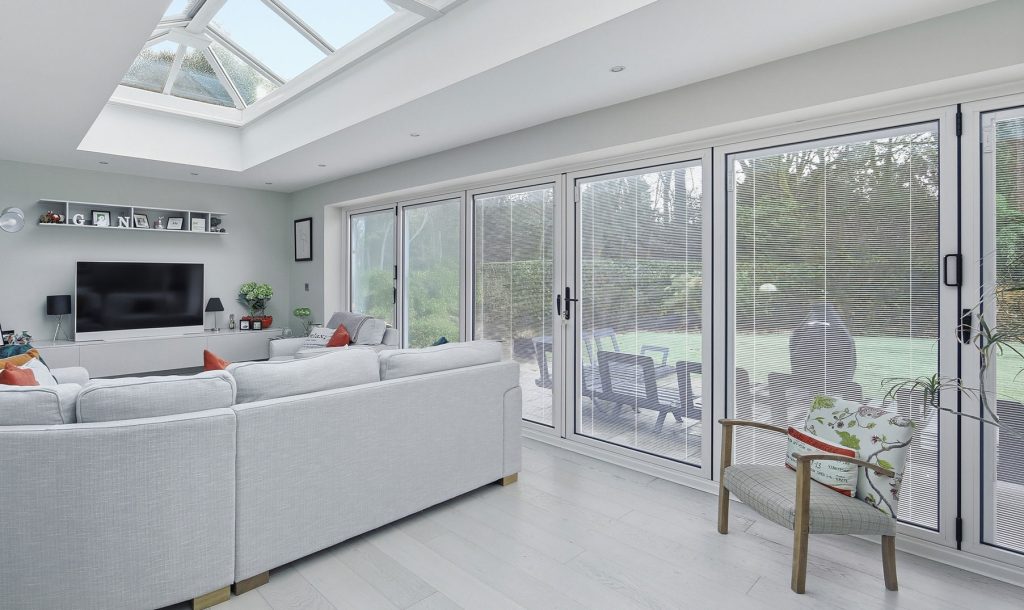
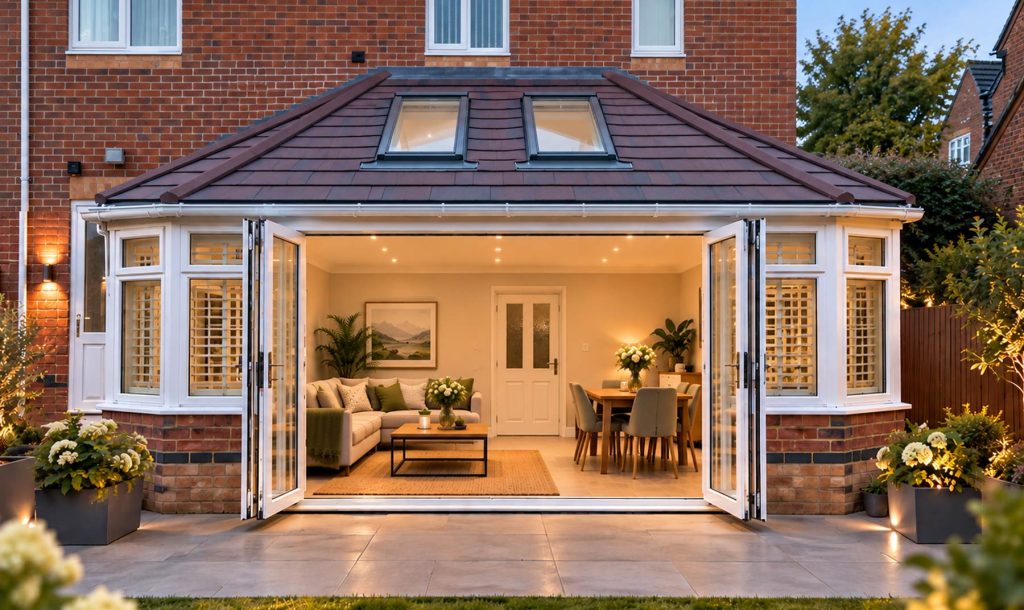
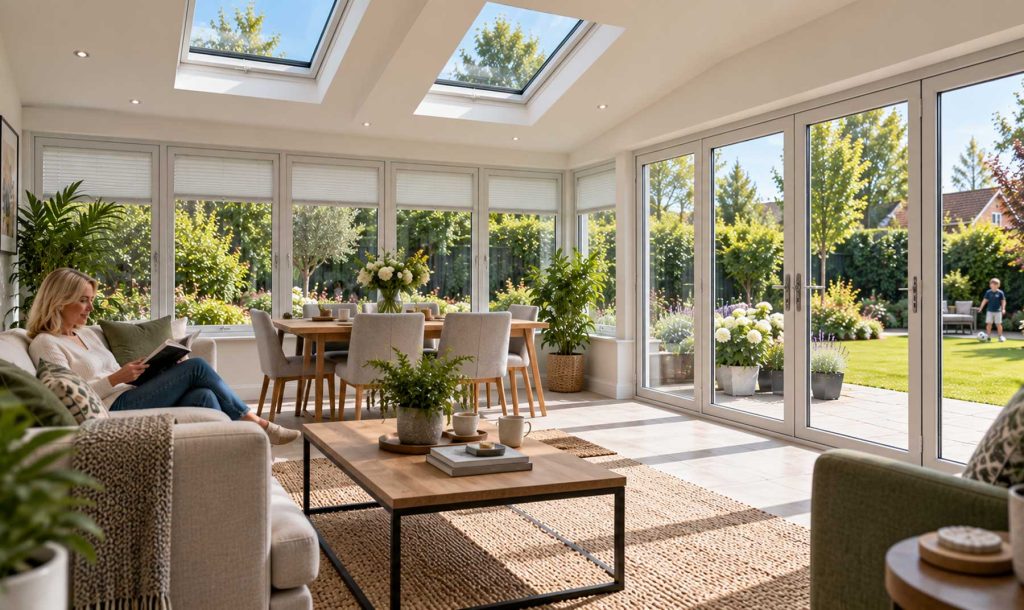
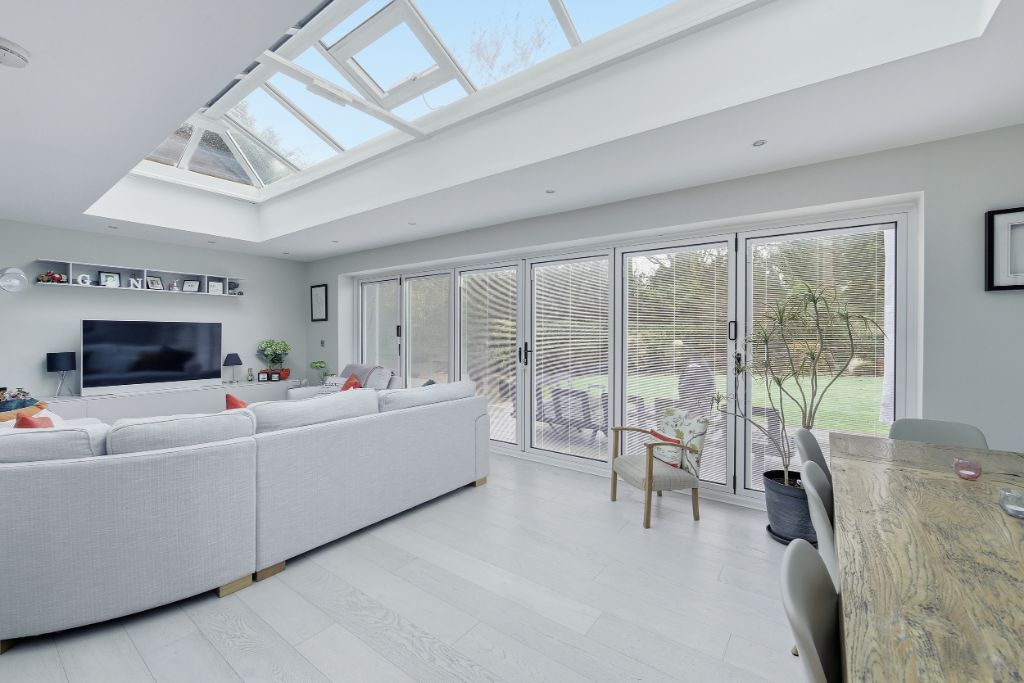
For an extension or orangery, EPDM can also work alongside features such as roof lanterns or roof windows, depending on the design of the roof.
If you’re considering bringing more natural light into a flat-roofed extension, our guide to roof lanterns for flat roof extensions looks at how they can be incorporated into this type of space.

Where can EPDM flat roofing be used?
EPDM is versatile enough to be used on a range of domestic flat roofs.
- Flat roof extensions
- Garage roofs
- Porches
- Orangeries
- Garden rooms and outbuildings
- Other domestic flat-roofed areas
The suitability of EPDM will depend on the construction, size, shape and condition of the existing roof, so the system needs to be selected and installed for the individual project.
Is EPDM a low-maintenance roofing option?
For homeowners looking for a flat roof that doesn’t require constant attention, EPDM can be an attractive option.
Its resistance to UV exposure and weathering, combined with its flexibility and waterproof properties, means the membrane is designed for long-term performance without regular treatments or coatings.
Routine checks, keeping drainage points clear and dealing with any damage promptly are still important, but the day-to-day maintenance requirements can be relatively straightforward.
How does EPDM compare with other flat roofing systems?
There are several different ways to cover a flat roof, including traditional felt-based systems, GRP and EPDM.
Each has its own characteristics, installation requirements and expected service life. The most appropriate option will depend on the roof itself, the building, the budget and the performance you’re looking for.
We’ve also looked specifically at EPDM vs felt roofing if you’d like to compare the two systems in more detail.

Could EPDM be right for your flat roof?
EPDM is not simply popular because it is made from rubber. Its combination of flexibility, waterproofing, weather resistance and long-term durability makes it particularly well suited to the demands of flat roofing.
For the right project, it can provide a clean-looking, low-maintenance roof covering that is designed to perform for many years.
The important thing is to make sure the complete roofing system is suitable for your property and that it is installed correctly, with particular attention paid to drainage, edges, junctions and the roof structure underneath.
EPDM flat roofing from Cheshire Conservatories
At Cheshire Conservatories, we supply and install EPDM flat roofing for suitable domestic projects across the local area.
Whether you’re replacing an existing flat roof or considering EPDM for a new extension, we can discuss the options available for your property and help you understand what is involved.
Get in touch with Cheshire Conservatories to discuss your flat roofing requirements.
Areas we cover
Cheshire Conservatories is based in Crewe and provides EPDM flat roofing and other home improvement services across Cheshire, Staffordshire and Shropshire, including Crewe, Nantwich, Alsager, Congleton, Sandbach, Winsford, Middlewich, Holmes Chapel, Knutsford and surrounding areas.
If you’re considering a new EPDM flat roof, contact us to discuss your project.