

Lintels — Do I Need Them?
Whether you’re planning new windows, doors, or an extension, you may have heard the term “lintel” mentioned — but what exactly is it, and do you need one? In short, lintels are structural supports that help keep your home safe and stable when openings are created in walls. Here’s what every homeowner should know before making changes to their property.
At Cheshire Conservatories, we regularly replace and install windows, doors, and conservatory openings across Cheshire. Understanding how lintels work — and when they’re required — is essential to ensure your project meets building regulations and stands the test of time.

What Is a Lintel?
A lintel is a horizontal beam installed above a window or door opening to support the weight of the structure above it. It helps distribute the load evenly, preventing cracks, sagging brickwork, or structural failure.
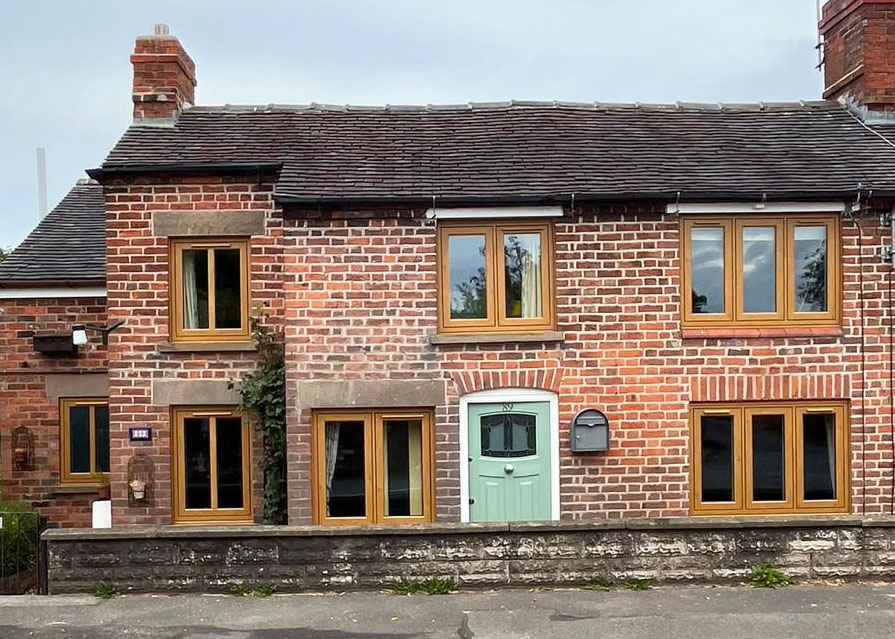
Most modern properties use concrete, steel, or cavity lintels, but older homes may have timber or brick arches performing the same role. The type of lintel required depends on the construction, wall thickness, and span of the opening.
For more technical detail, Homebuilding & Renovating provides an excellent overview of how different lintel types work in residential buildings.

Why Lintels Are Important
Lintels are more than just a finishing detail — they play a vital role in keeping your home structurally sound. Without the correct lintel support, windows and doors may start to stick, crack, or even become unsafe over time.
- Structural support – Prevents sagging brickwork and cracking above openings.
- Distributes weight – Transfers the load of the wall above to adjacent masonry.
- Ensures longevity – Protects your new windows and doors from undue stress.
- Meets regulations – Required by UK Building Regulations for most openings.

Do All Openings Need a Lintel?
In most cases, yes — any new or altered opening in a load-bearing wall requires a lintel. However, there are exceptions. Some non-load-bearing walls, for example, may not need one if the structure above is adequately supported elsewhere.
For replacement windows and doors, lintels should already be in place from the original construction. But in older homes, it’s not uncommon to find missing or undersized lintels, particularly above wide openings or bay windows. If you’re unsure, your installer or builder can inspect the existing structure before work begins.

Signs a Lintel Might Be Missing or Failing
Lintel failure can lead to visible damage over time. Common warning signs include:
- Cracked brickwork – Especially diagonal cracks above windows or doors.
- Dropped window frames – Openings that appear uneven or have gaps at the top corners.
- Sticking doors or windows – Caused by slight shifts in the wall above.
- Bulging brickwork – The outer layer of bricks may bow outward where support is lacking.
Noticed cracking or dropped frames? Our repairs service can inspect and advise on lintel issues before they worsen.

Building Regulations and Compliance
Any structural alteration — including installing new openings or replacing lintels — must comply with UK Building Regulations. It’s essential to use the correct materials, installation method, and load calculations to meet safety standards.
The National House Building Council (NHBC) provides clear guidance for lintel installation and load-bearing design in domestic properties. Working with a FENSA-registered installer or qualified builder ensures all work meets these requirements.
For a deeper look at approvals and compliance around structural openings, see our guide to Building Regulations for Conservatories.

When Installing New Windows or Doors
Before fitting new windows or doors, it’s vital to check that a suitable lintel exists — particularly in older brickwork. If there isn’t one, a new lintel should be installed before the frame is fitted to prevent future damage.
Our experienced team at Cheshire Conservatories can assess your property and advise on any necessary lintel work as part of your installation, ensuring everything is done safely and correctly.
Upgrade with Confidence
Adding or replacing windows and doors can transform your home — but structural safety should always come first. Checking for proper lintel support ensures your installation lasts for decades without issues.
Request your free quote today and speak with our experts about ensuring your new windows or doors are safely supported and fully compliant.
Serving homes across Cheshire and surrounding areas, we specialise in professional installations that combine safety, quality, and style. Every project is completed to the highest standard for lasting peace of mind.