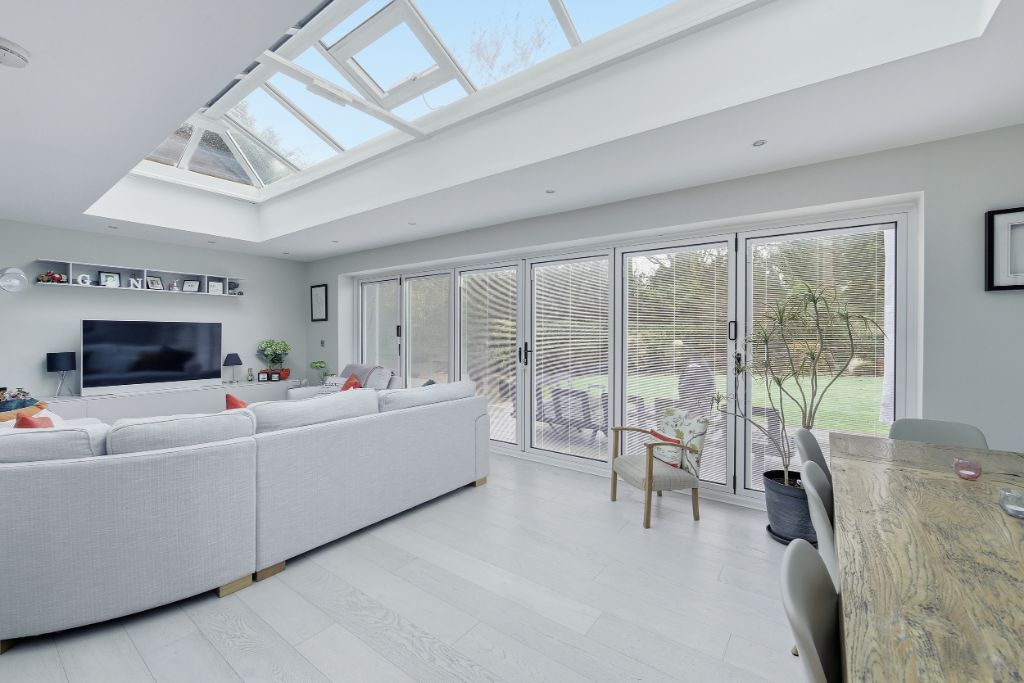

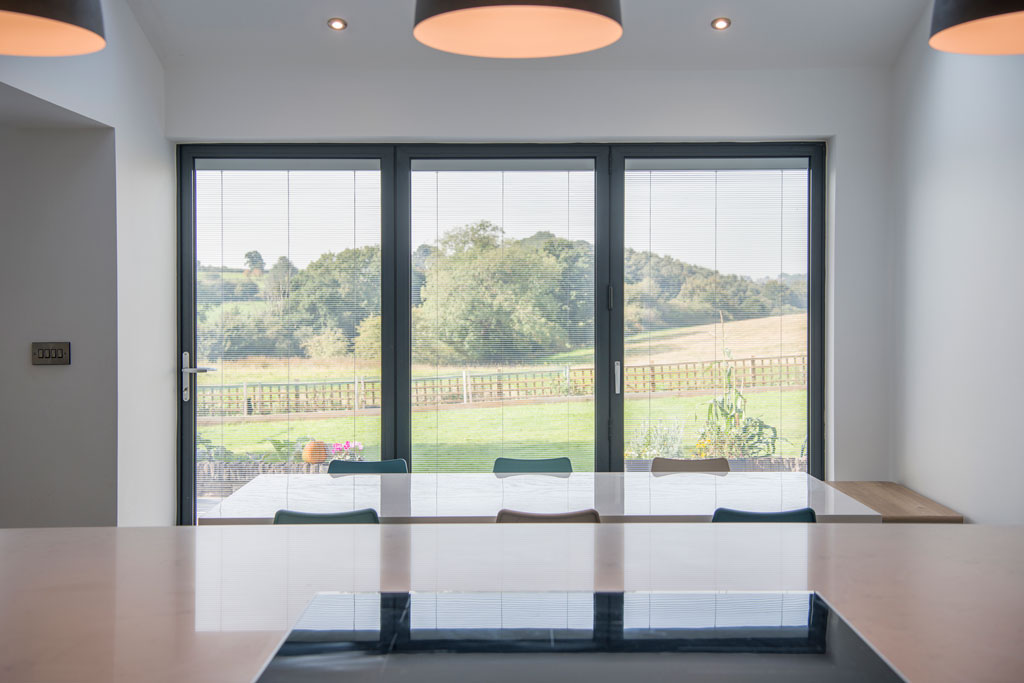
Integral blinds — sometimes called integrated blinds — are becoming an increasingly popular choice for modern homes. They offer a clean, stylish way to control light and privacy, without the maintenance of traditional blinds or curtains.
If you’re considering new windows or doors, or simply exploring smarter shading options, this guide explains how integral blinds work, their benefits, and whether they’re the right choice for your home.

What Are Integral Blinds?
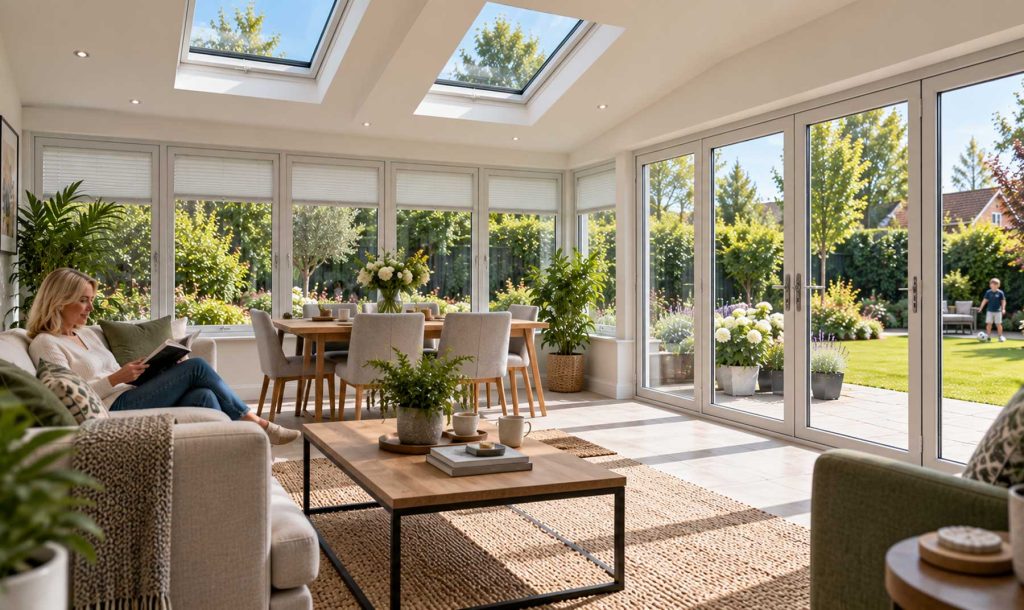
Integral blinds are blinds that are sealed inside the double or triple glazed unit, sitting between the panes of glass rather than on the surface of the window or door.
Because they’re enclosed within the glass, they stay protected from dust, damage and everyday wear — making them a practical, low-maintenance option for busy households.
They’re commonly used in:
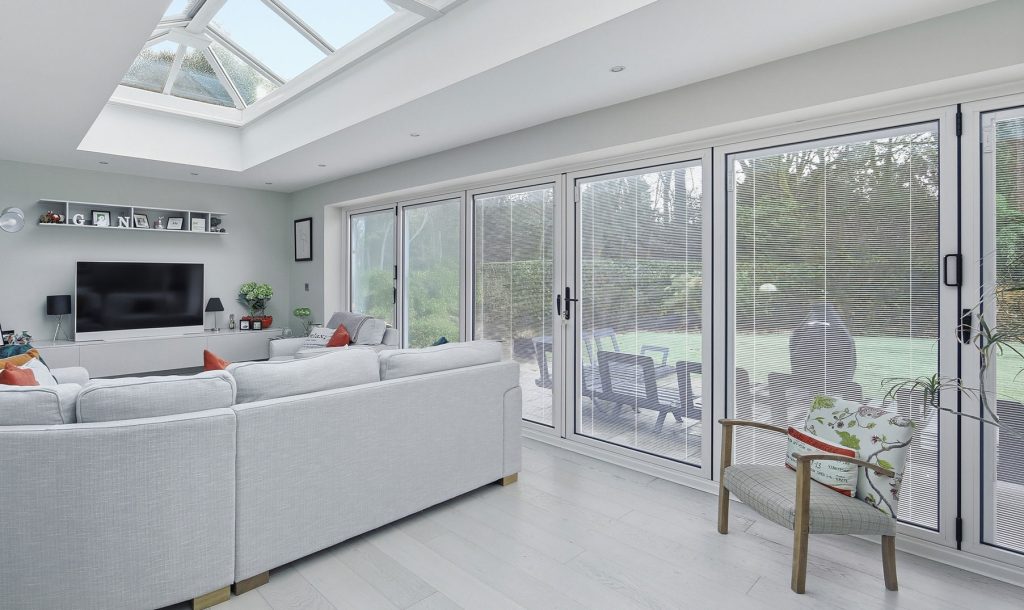
- Bi-fold and sliding patio doors — ideal for large glazed areas
- French doors — neat shading without curtains
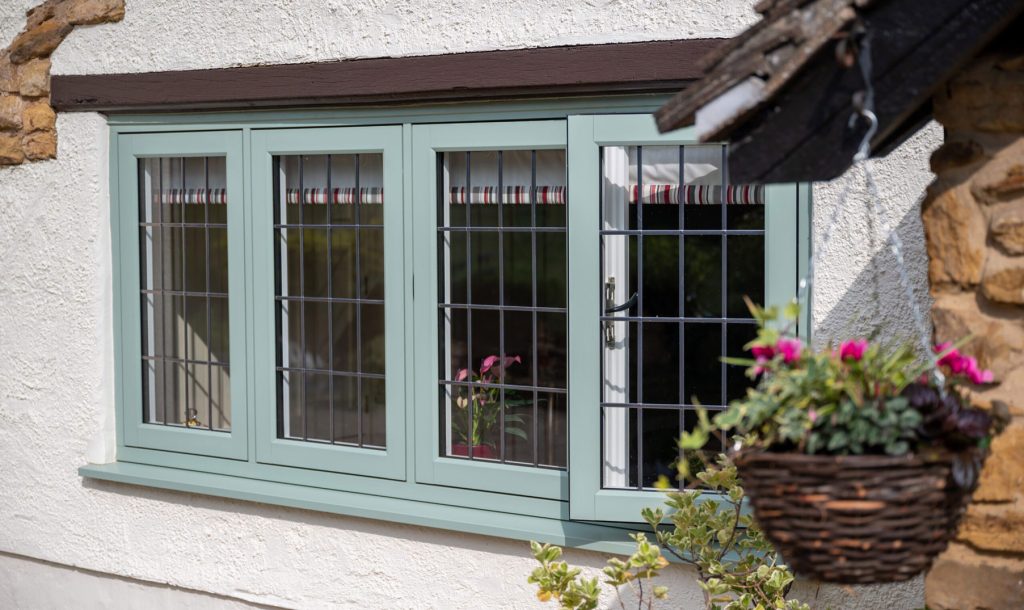
- Windows — especially kitchens, bathrooms and bedrooms
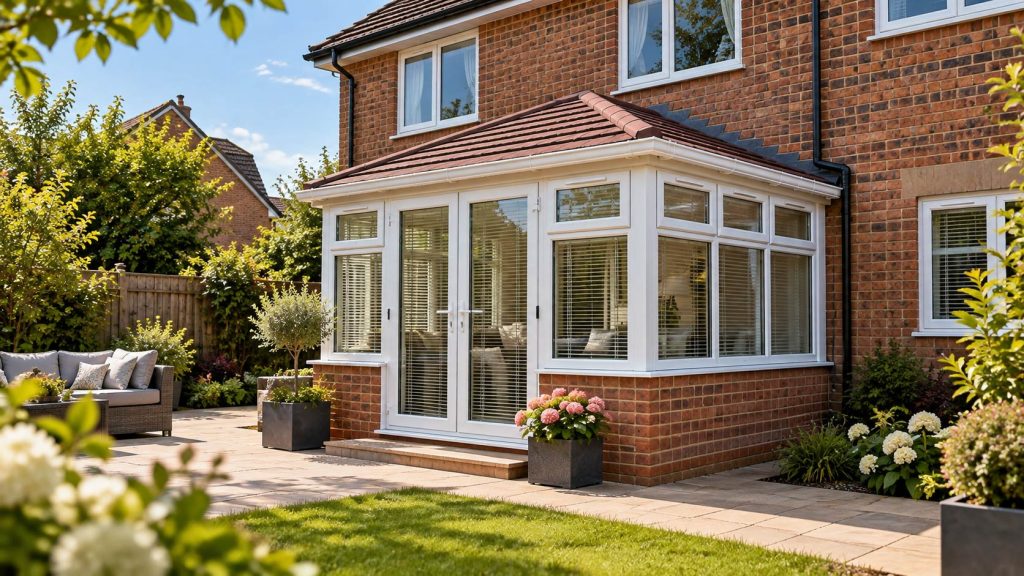
- Conservatories and living spaces — clean lines with no clutter

How Do Integral Blinds Work?
Unlike traditional blinds, integral blinds are operated without touching the glass unit itself. Modern systems are designed to be smooth, reliable and discreet.
Depending on the system chosen, blinds can be:
- Manually operated using a magnetic slider
- Cord-controlled for tilt and lift functions
- Fully motorised for added convenience
- Battery powered — ideal where wiring isn’t practical
Because the blind is sealed inside the glass, there are no loose cords or slats, making them particularly suitable for family homes.
The Key Benefits of Integral Blinds
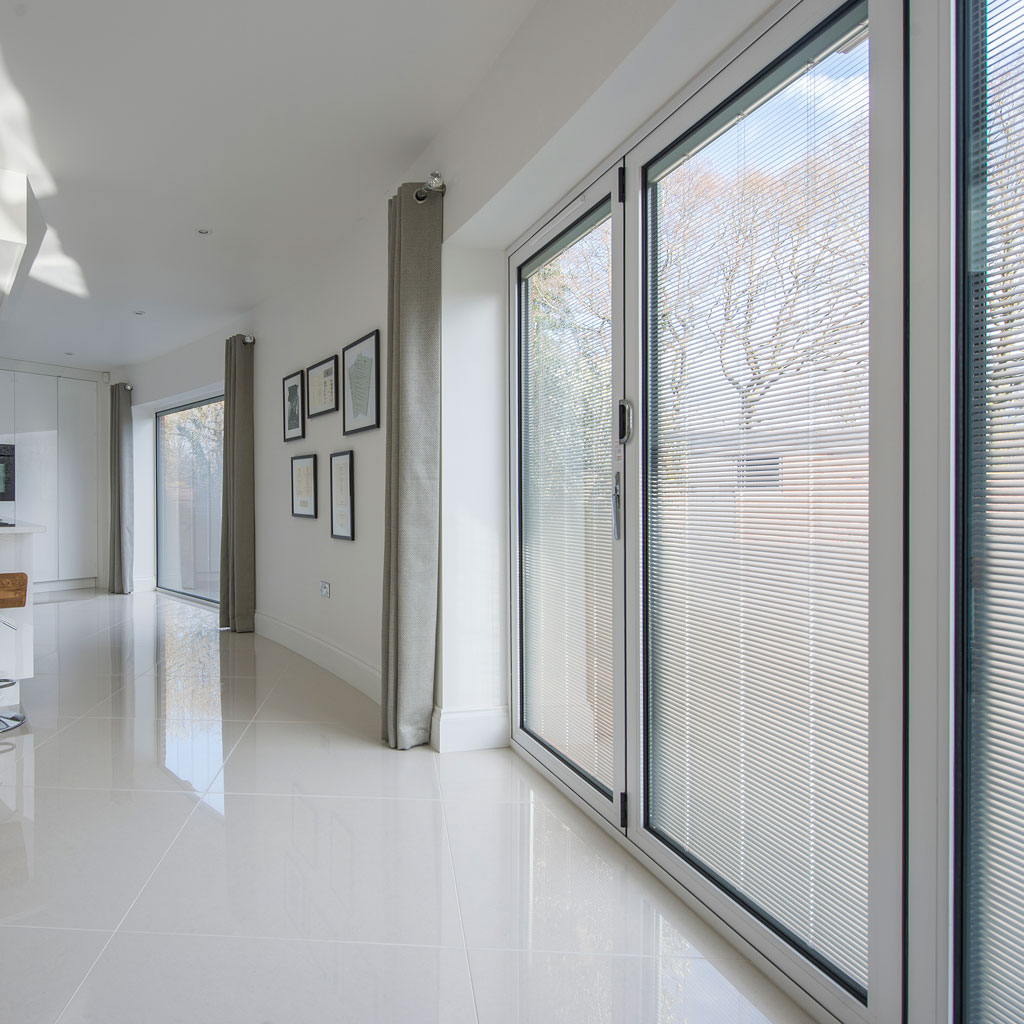
Integral blinds offer both practical and aesthetic advantages:
- Low maintenance — no dusting, cleaning or tangled cords
- Clean, modern appearance — perfect for contemporary homes
- Improved hygiene — ideal for kitchens and bathrooms
- Protected from damage — sealed safely inside the glass
- Excellent light and privacy control
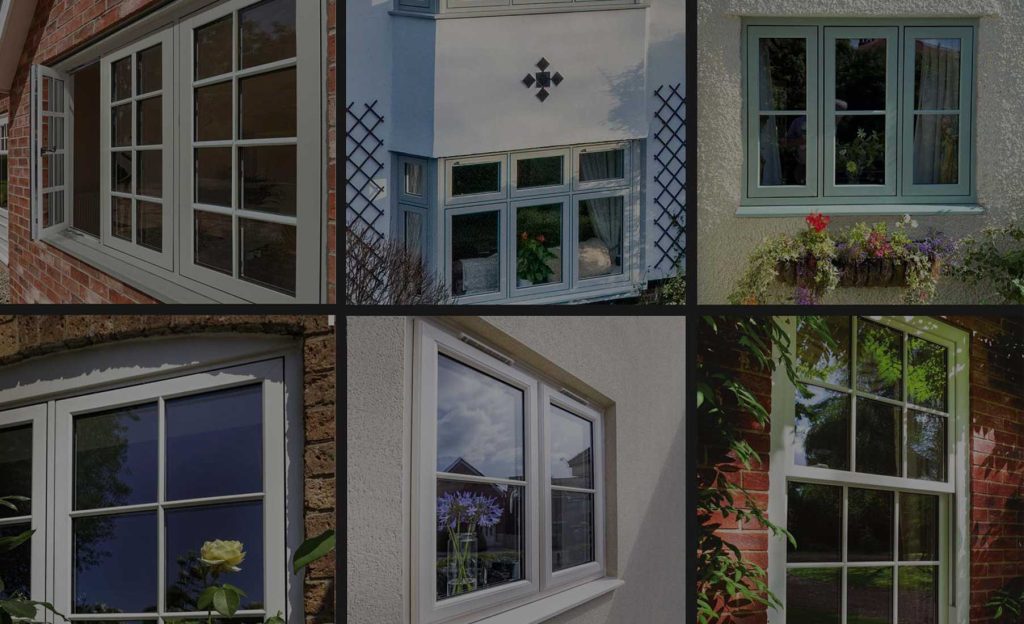
They also work particularly well with modern aluminium and uPVC frames, complementing minimalist interior designs.
Venetian or Pleated Integral Blinds – What’s the Difference?
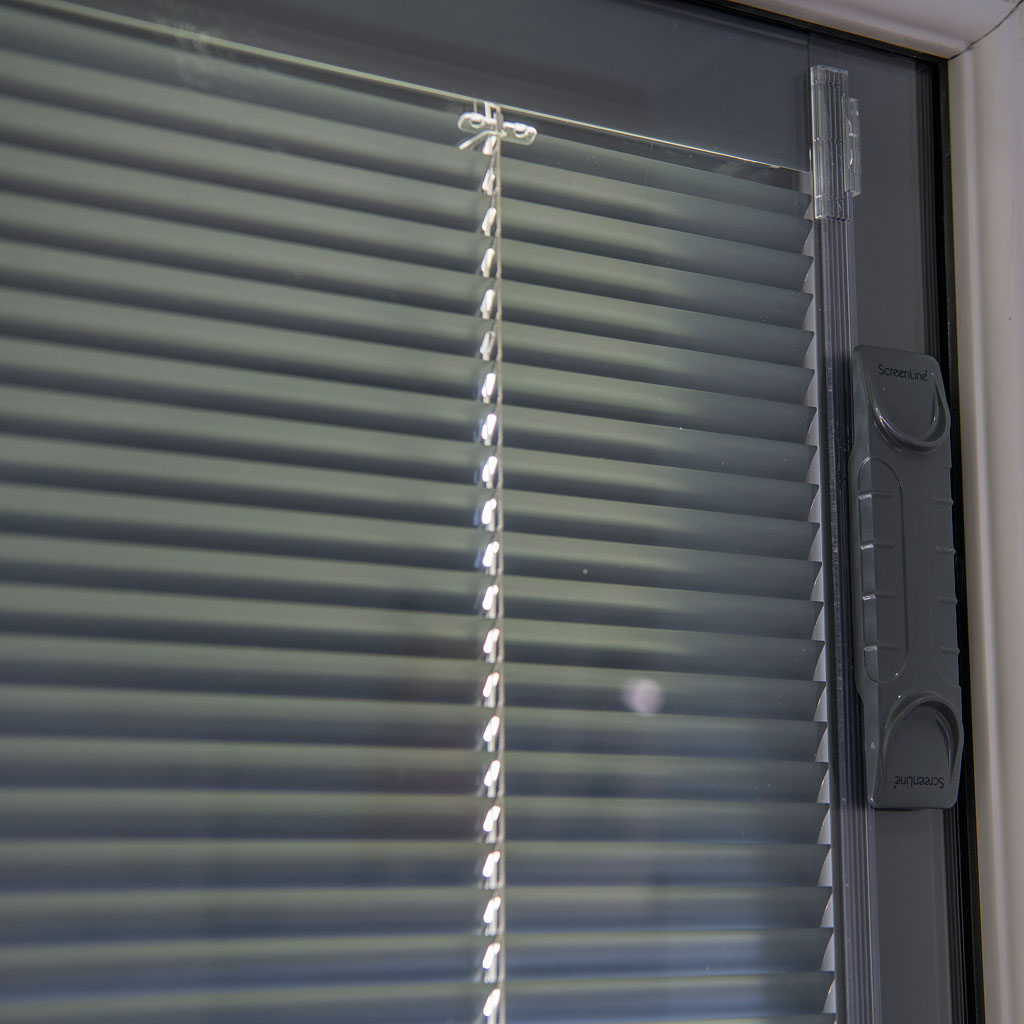
The two most popular styles are Venetian and pleated integral blinds.
- Venetian blinds — feature horizontal slats that tilt to control light precisely
- Pleated blinds — offer a softer look and are great for diffused light
Venetian blinds are often chosen for doors and large glazed areas, while pleated blinds suit windows where a subtler finish is preferred.

Are Integral Blinds Energy Efficient?
Because integral blinds sit within the sealed glazing unit, they don’t compromise the thermal performance of your windows or doors.
In fact, when paired with modern double or triple glazing, they can help:
- Reduce glare on sunny days
- Limit heat build-up in south-facing rooms
- Maintain comfort without heavy curtains
They’re an excellent addition to energy-efficient glazing systems.

Are Integral Blinds Right for Your Home?
Integral blinds are ideal if you:
- Want a clutter-free finish with no curtains or surface blinds
- Have large glazed doors and want built-in shading
- Prefer low-maintenance solutions
- Are upgrading windows or doors and want everything built in from the start
They’re typically specified at the point of ordering new glazing, rather than retrofitted.
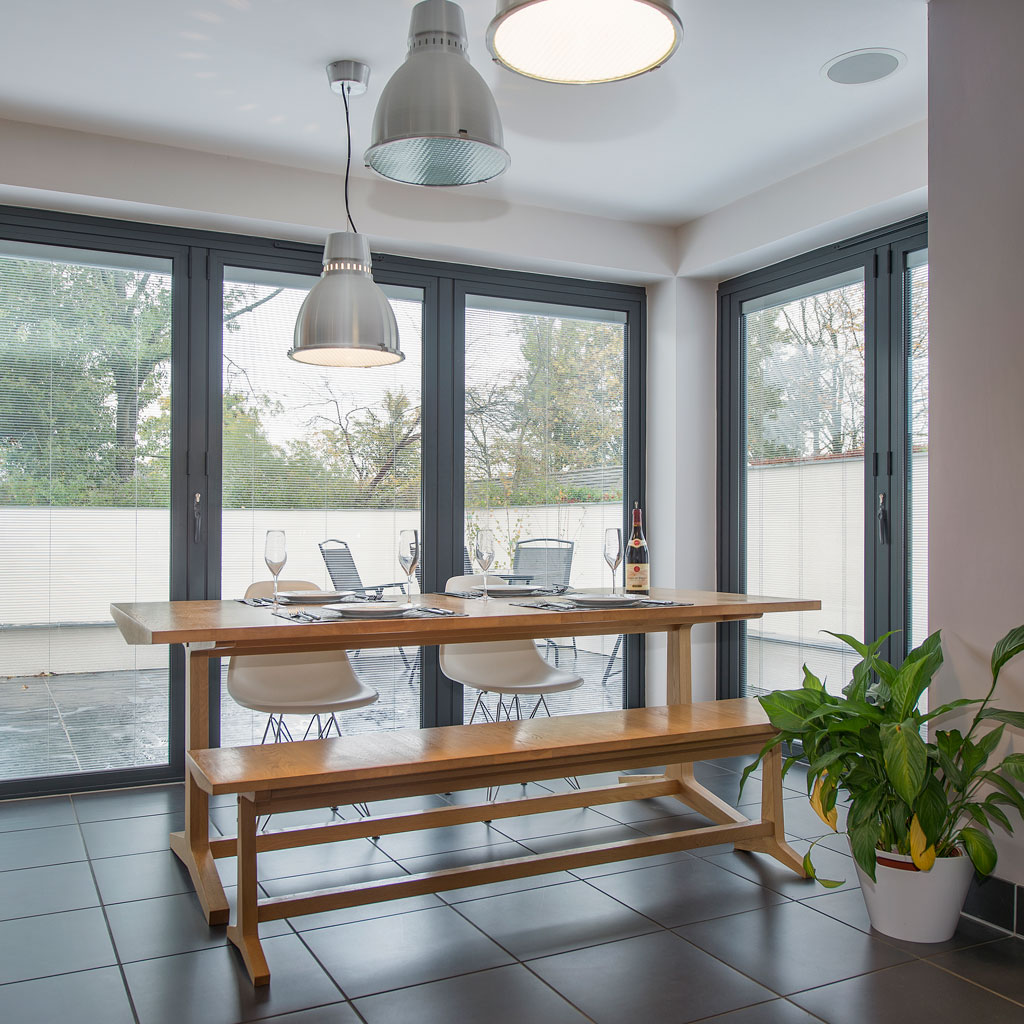
Explore Integral Blinds for Windows and Doors
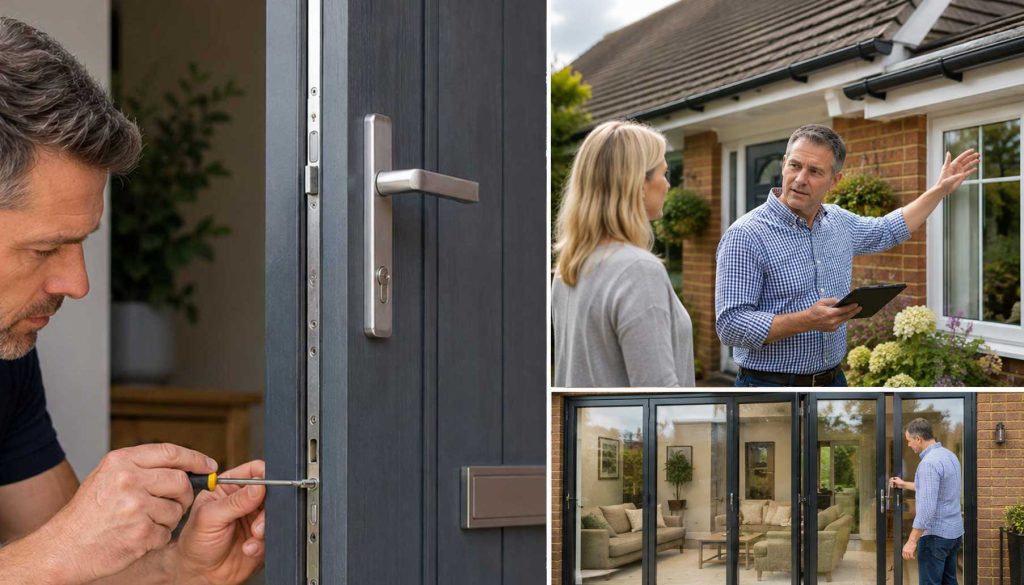
We supply and install high-quality integral blinds for windows, bi-fold doors, sliding doors and conservatories, using trusted systems designed for long-term performance.
You can learn more about styles, colours and control options on our dedicated page:
Integral Blinds for Windows and Doors
We install windows, doors and glazing solutions across Cheshire and the surrounding areas, working to high standards and with full certification where required.
If you’re planning a home upgrade and would like advice on whether integral blinds are right for you, our team is always happy to help.