


A Complete Guide Without the Confusion
When homeowners start planning a new conservatory, the first question they usually ask is: “How much does a conservatory cost?” The honest answer is that the price can vary widely, and for good reason. A conservatory isn’t a single off-the-shelf item – it’s a tailored home improvement that depends on materials, style, design choices, ground conditions, energy efficiency and even building regulations.
This guide breaks down the biggest factors that influence the cost of a conservatory, without using specific figures. Instead, it focuses on what actually drives the price up or down, helping you plan your project with confidence.

The Style of Conservatory You Choose
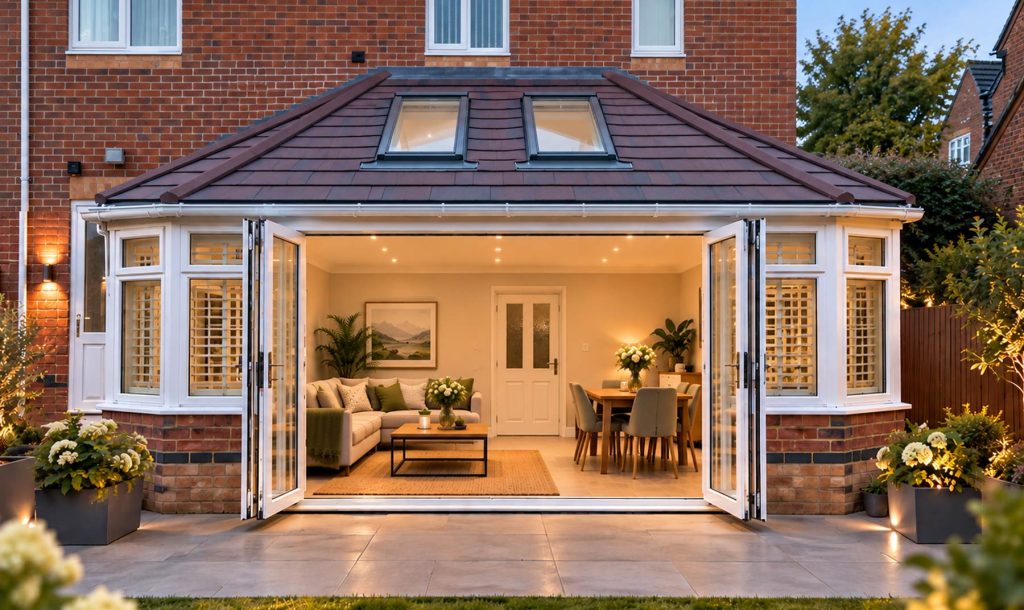
The design of your conservatory plays a major role in the overall cost. Some styles are more straightforward to build, while others require additional structure and craftsmanship.
- Simple styles such as lean-to conservatories tend to offer the most cost-efficient build due to their uncomplicated shape.
- Victorian, Edwardian and P-shaped conservatories typically require more framework and labour, increasing the investment.
- Bespoke or custom architectural designs offer complete flexibility but will naturally involve more planning, materials and installation time.
If you’re unsure which design fits your home, our dedicated Conservatories page provides inspiration and further guidance.
Roof Type – The Biggest Cost Influence
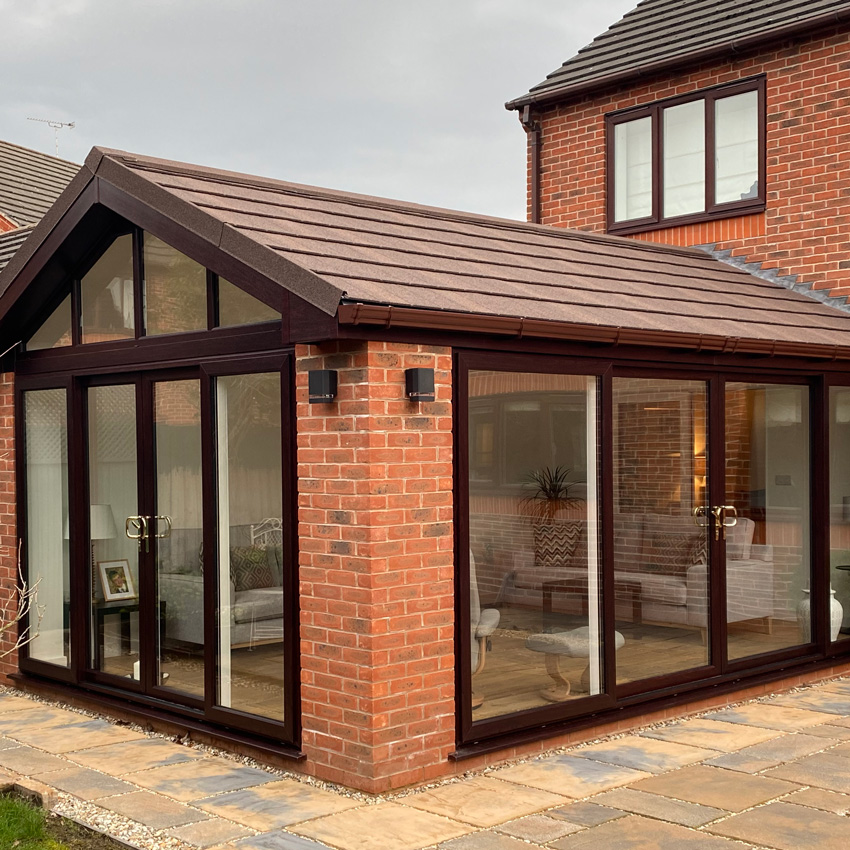
The roof is often the single most influential factor in the price of a conservatory. Not just for aesthetics, but because it determines thermal performance, structural requirements and long-term comfort.
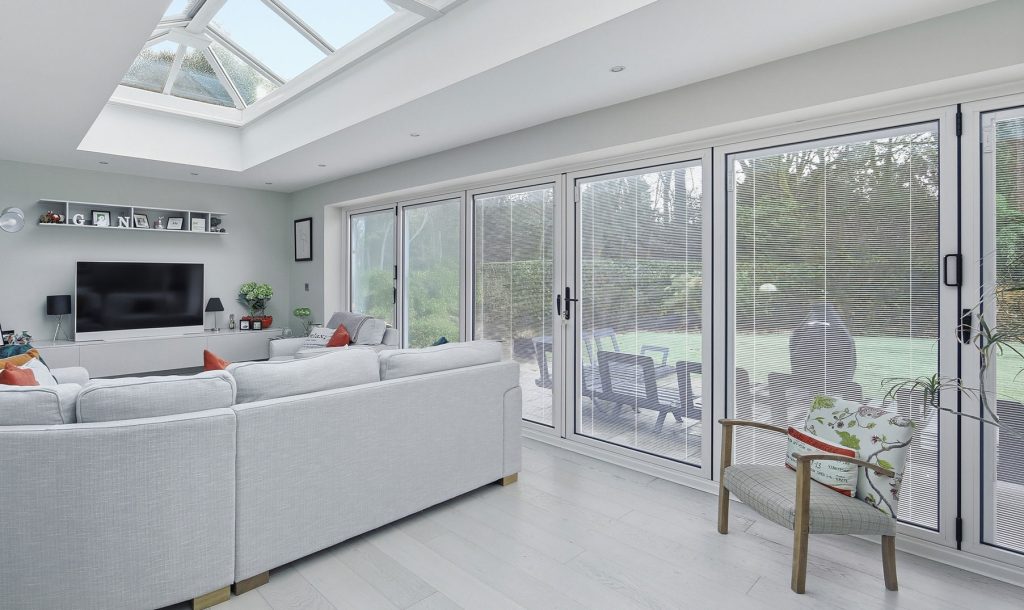
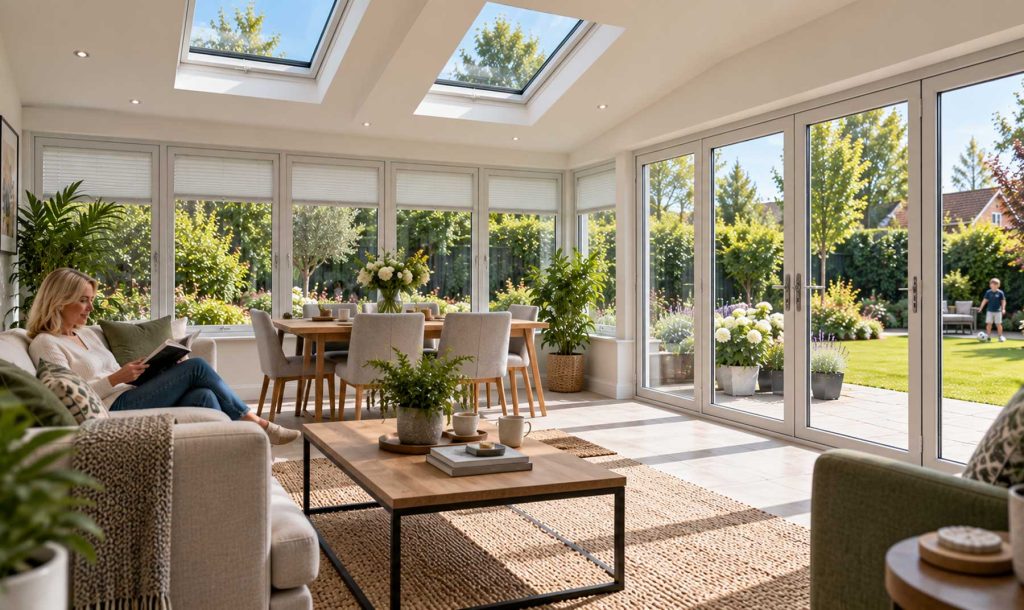
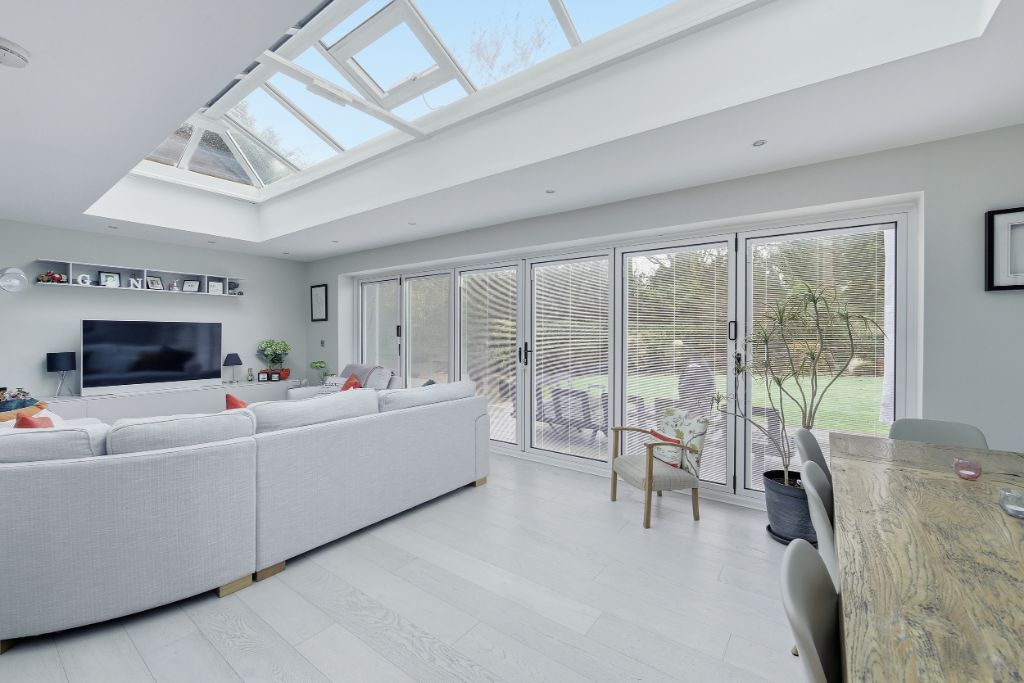
- Glass roofs create a bright, airy feel and are popular for their natural light.
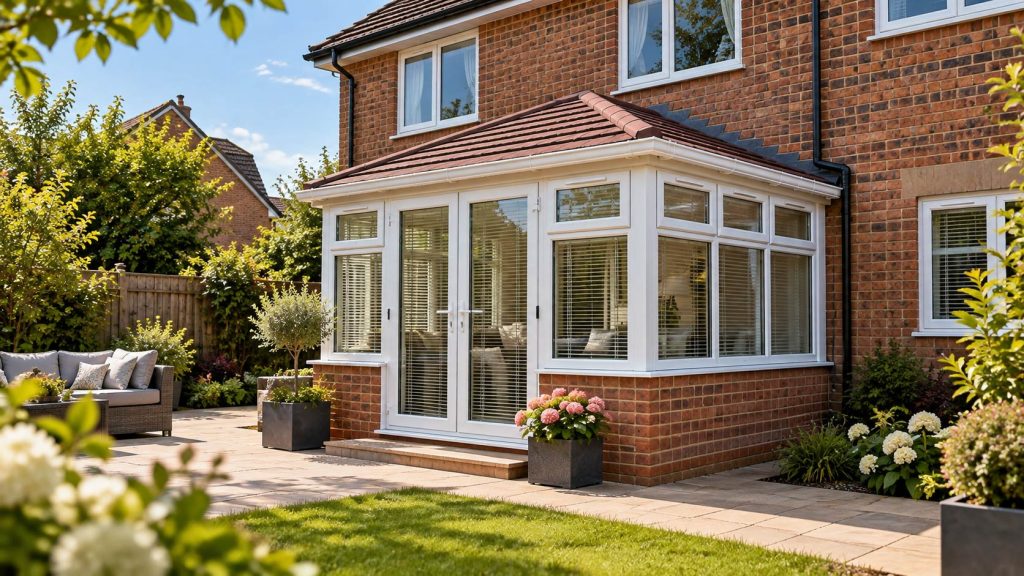
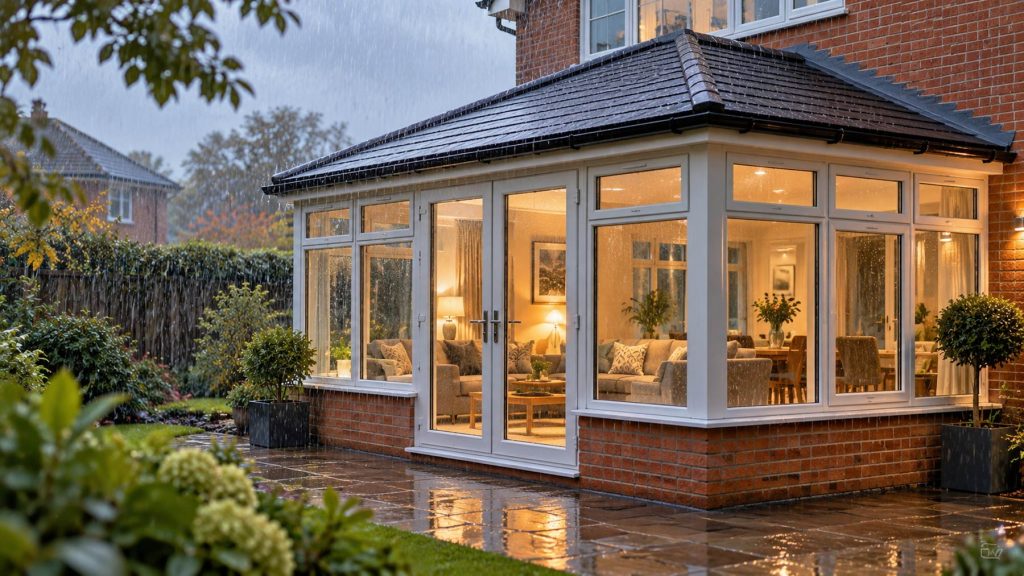
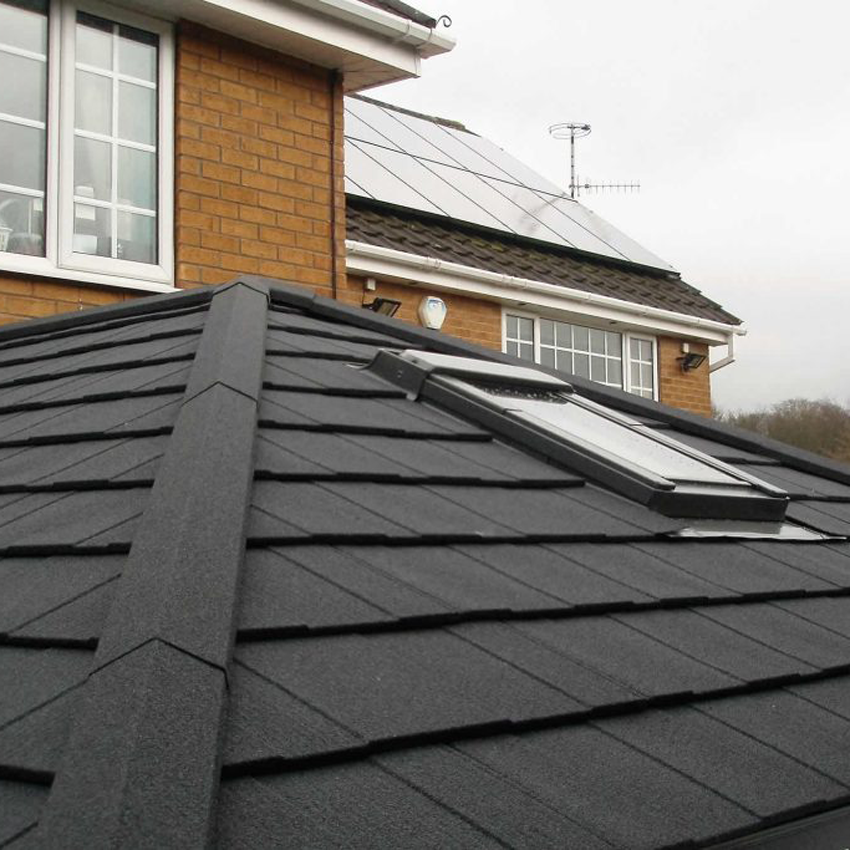
- Tiled or solid roofs provide year-round insulation and transform the conservatory into a true living space.
- Hybrid or lantern roofs combine style and performance, offering a premium finish.
To dive deeper into roof options, see our detailed comparison:
Insulated Tiled Roof vs Glass Roof Guide.
Size and Layout
It may seem obvious that larger conservatories cost more, but size alone doesn’t tell the whole story. A slightly bigger footprint can actually offer better value per square metre, while compact designs with complex shapes may require more specialist work.
- Larger areas need more materials and installation time.
- Small but intricate designs can be more labour-intensive than expected.
- Open-plan layouts may require additional structural supports.
If you’re extending an existing living space, our article on What to Expect When Building a New Living Space may also be helpful.

Material Choice – uPVC, Aluminium or Timber
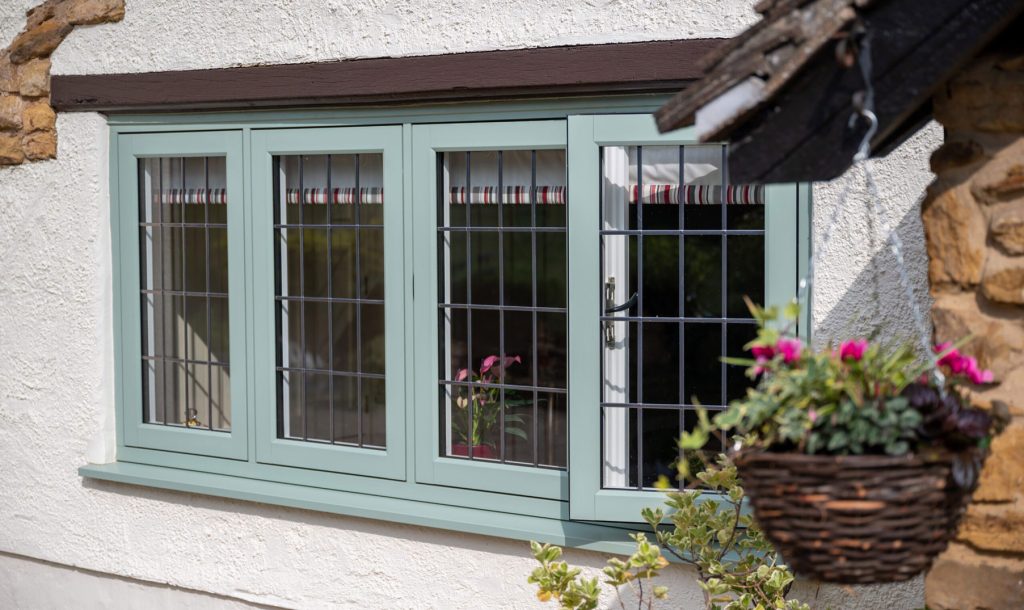
Your chosen frame material will have a noticeable impact on the final cost, lifespan, and style of your conservatory.
- uPVC frames are the most cost-effective choice and offer excellent energy efficiency.
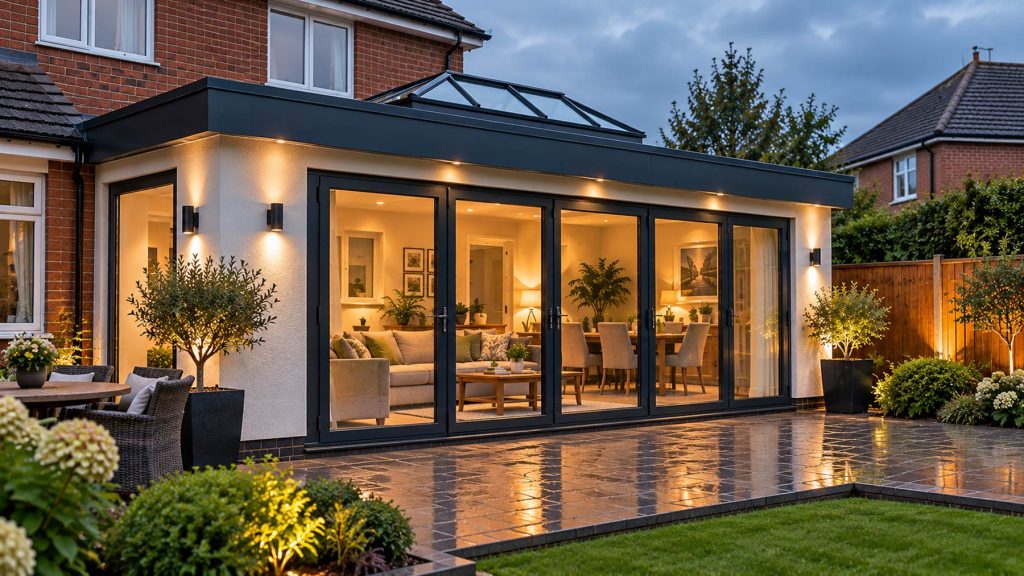
- Aluminium frames deliver slim sightlines and a contemporary look but are typically a higher investment.
- Timber frames provide character and charm but come with higher maintenance needs.
The choice often comes down to whether you prioritise budget, aesthetics or long-term durability.

Ground Conditions and Foundations
Before the conservatory can take shape, the ground beneath it must be prepared properly. This is an area where unexpected factors can affect the overall cost.
- Poor soil conditions may require deeper foundations.
- Drainage considerations can increase the complexity of groundwork.
- Restricted access can impact installation time and equipment requirements.
These structural essentials are unseen but vital for a long-lasting and stable conservatory.

Glazing, Energy Efficiency and Thermal Performance
Glazing makes a huge difference to comfort and running costs. The more efficient the glass, the more the conservatory behaves like a true extension.
- Solar-control glass helps regulate temperature in sunny areas.
- High-performance insulating glass keeps warmth in during colder months.
- Acoustic glazing reduces outside noise for more peaceful living.
If glazing interests you further, you may find the government’s overview on energy efficiency helpful:
Gov.uk – Energy Efficiency.

Heating, Ventilation and Electrical Extras
A conservatory becomes far more usable with the right finishing touches. These optional extras also form part of the overall cost.
- Underfloor heating or radiators support year-round use.
- Roof vents and fans improve airflow in warmer months.
- Spotlights, sockets and lighting add practicality and ambience.
These features turn a conservatory from a seasonal room into a comfortable everyday living space.

Planning Permission & Building Regulations
While not all conservatories require planning permission, some do — especially if you are altering an existing structure or choosing a solid roof. Ensuring full compliance with building regulations keeps your property protected, saleable, and safe.
You can also refer to a reliable overview at
Planning Portal UK.
Final Thoughts
The question “How much does a conservatory cost?” doesn’t have a single answer. Instead, it depends on design choices, materials, groundwork, glazing performance, roof type, and finishing options. By understanding the main cost influences, you can make informed decisions that suit your budget and lifestyle.
If you would like some personal advice from our friendly team and or a no-obligation free quote and survey, please fill in your details to get started.