

Why Lighting Matters in an Extension
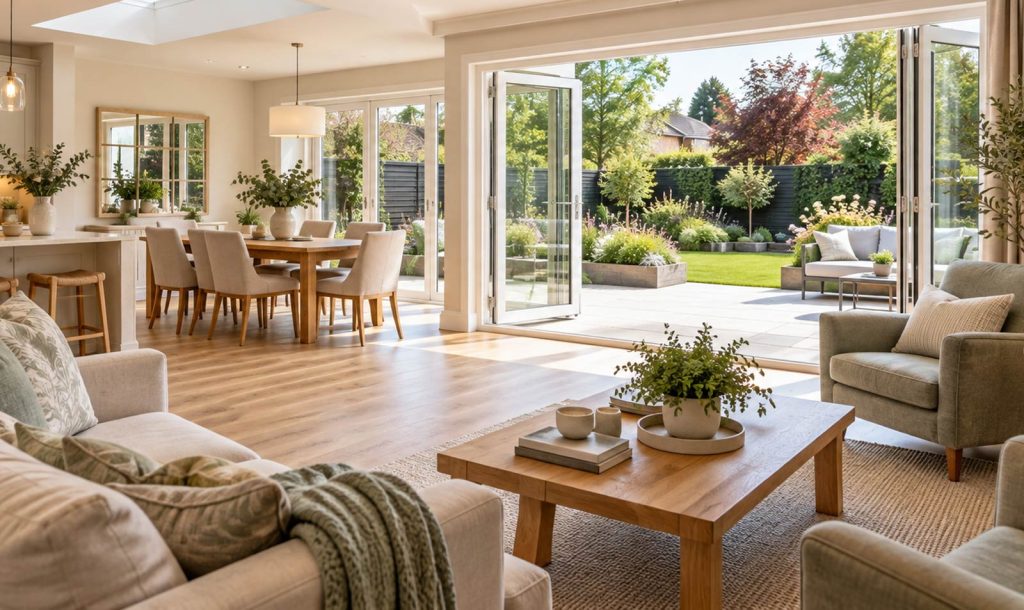
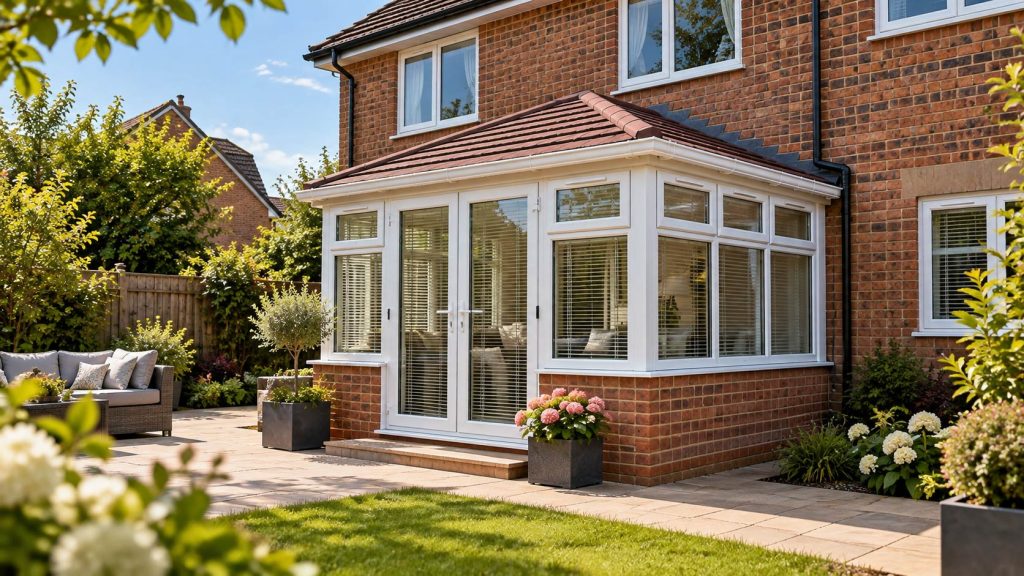
When planning an extension, lighting is often overlooked until the final stages—but it can completely transform how the space looks and feels. Whether it’s a kitchen extension, orangery, or open-plan living area, the right lighting enhances both function and atmosphere.
Natural light is usually a key feature, but once the sun goes down, your artificial lighting takes over. That’s where a well-thought-out plan makes all the difference.
If you’re still in the planning stages, it’s worth understanding how layout and design choices come together — as we covered in our guide to common living space design mistakes to avoid.
Start With Natural Light
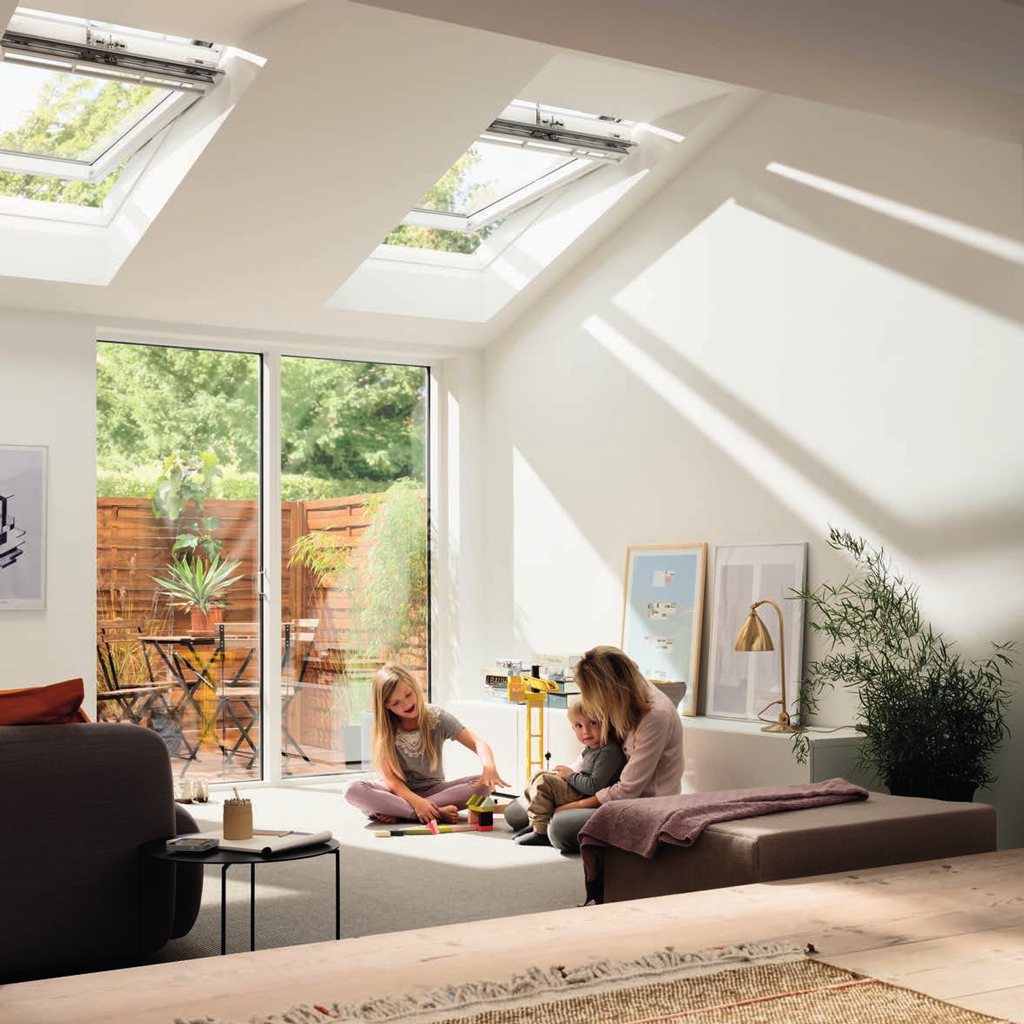
The best lighting source is always natural daylight. The more you can bring into your extension, the less you’ll rely on artificial lighting during the day.
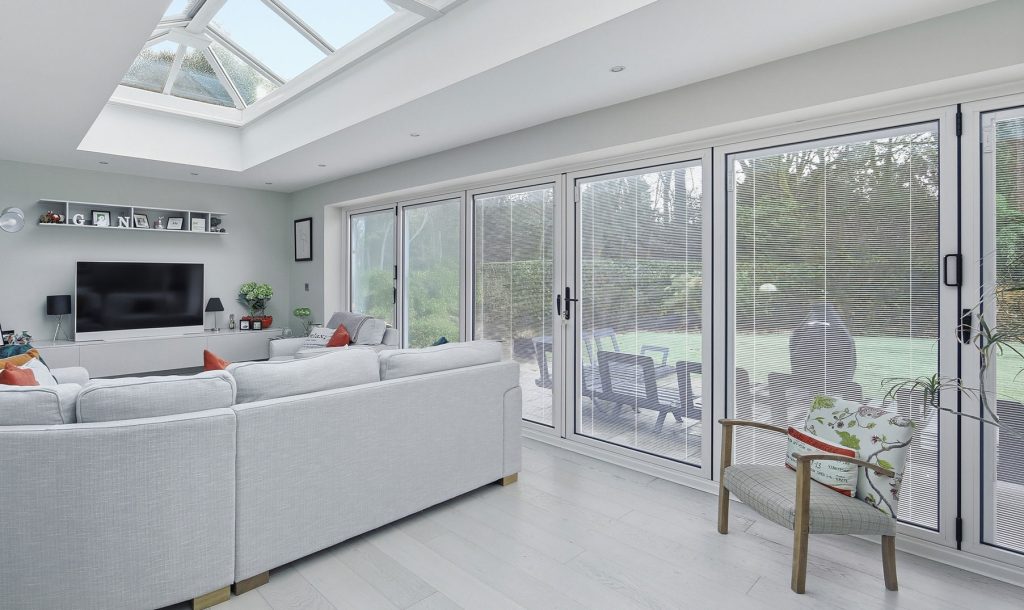
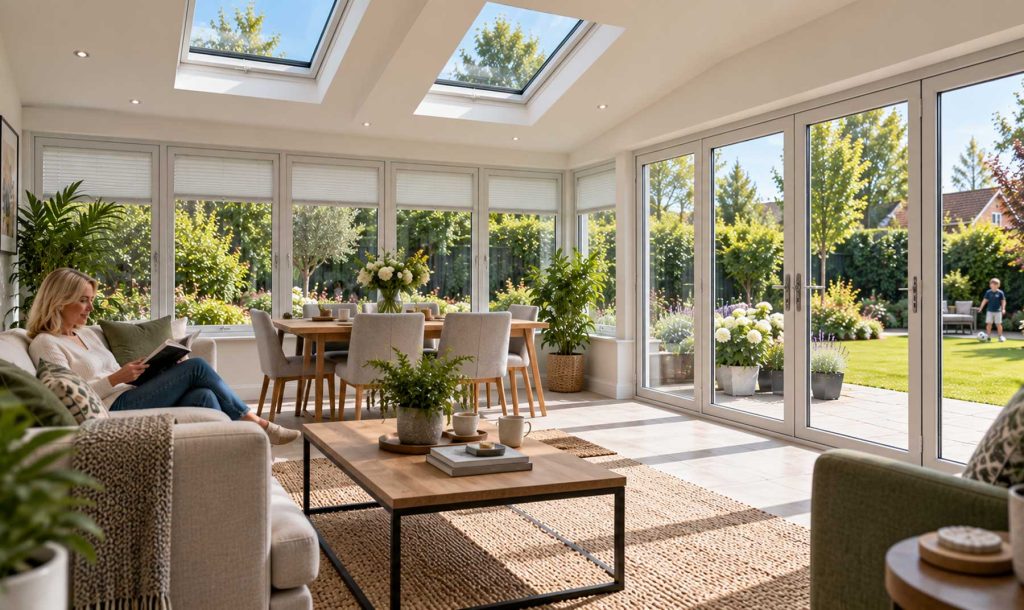
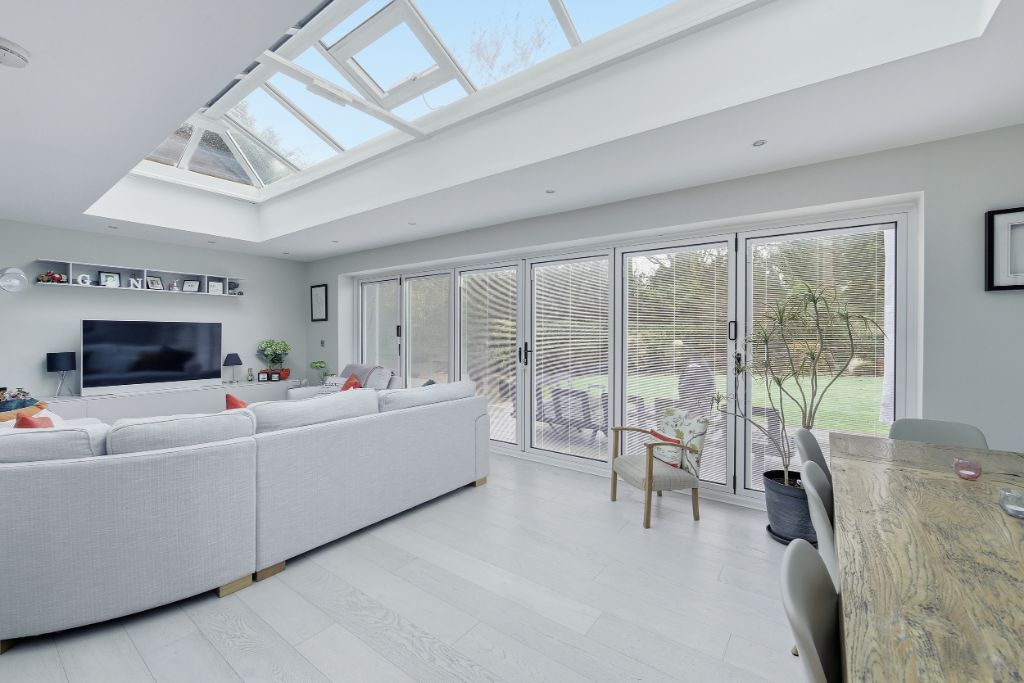
Features such as large patio doors, rooflights, and glazed panels can dramatically improve brightness. Positioning is key too — south-facing extensions naturally receive more light, while north-facing spaces may need extra support.
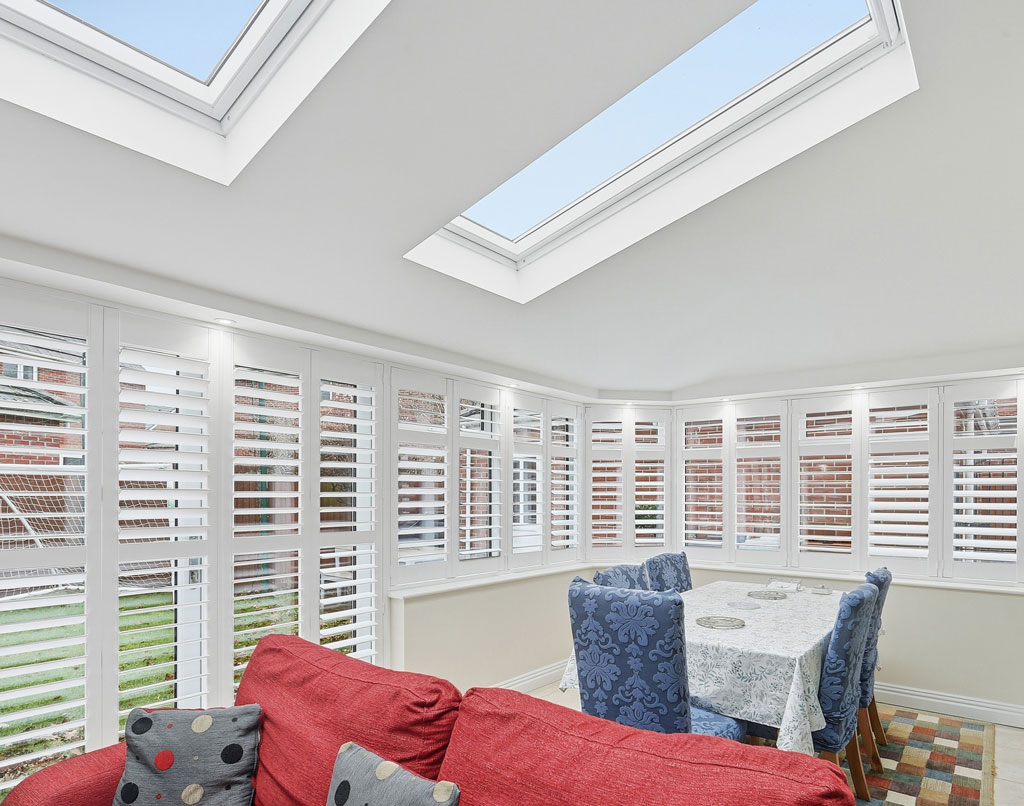
Roof windows are especially effective for deeper extensions where light might not reach. If you’re considering this option, take a look at our guide to Velux roof windows and natural light to see how they can transform a space.

Layered Lighting: The Key to Success
The most effective extension lighting schemes use a layered approach:
- Ambient lighting – General lighting that fills the space (e.g. ceiling downlights)
- Task lighting – Focused light for specific activities like cooking or reading
- Accent lighting – Decorative lighting to highlight features or create mood
Combining all three ensures your extension is practical during the day and inviting in the evening.
Popular Lighting Options for Extensions
1. LED Downlights
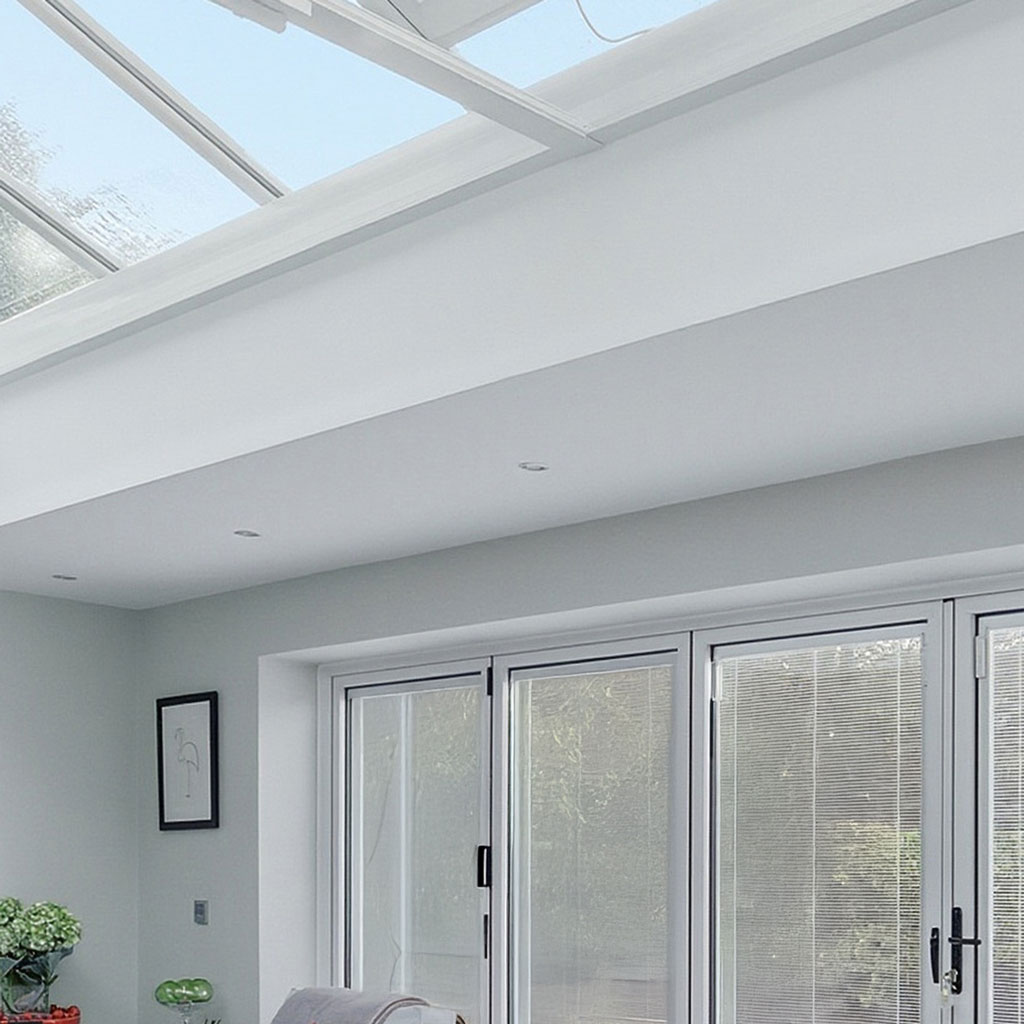
A staple in modern extensions, LED downlights provide clean, minimal illumination. They’re ideal for maintaining a sleek ceiling line, especially in contemporary spaces.
2. Pendant Lights
Perfect for adding character, pendant lights work well over kitchen islands or dining tables. They create a focal point while delivering practical lighting.
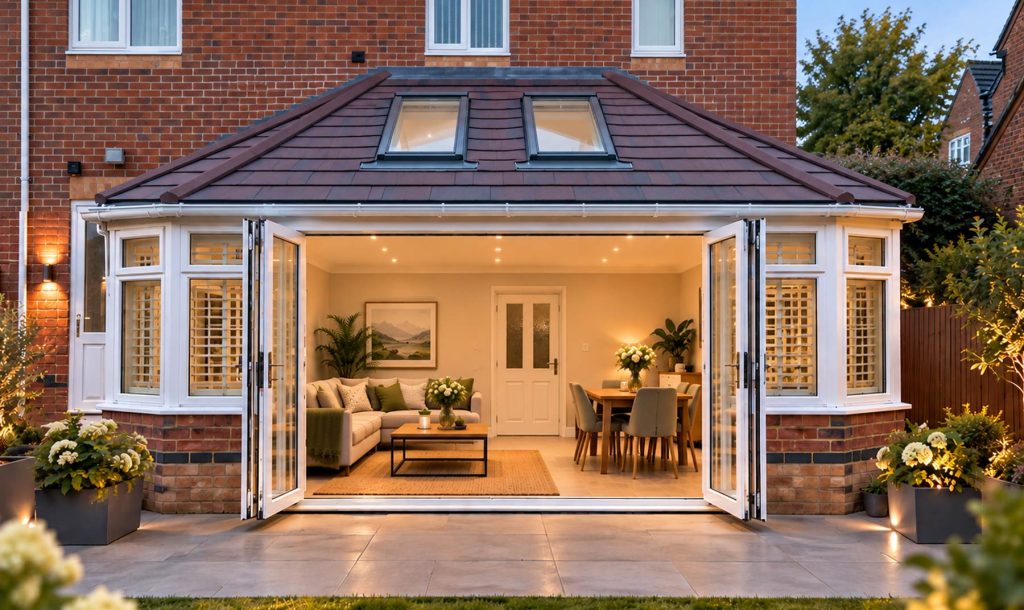
3. Bi-Fold & Patio Door Lighting
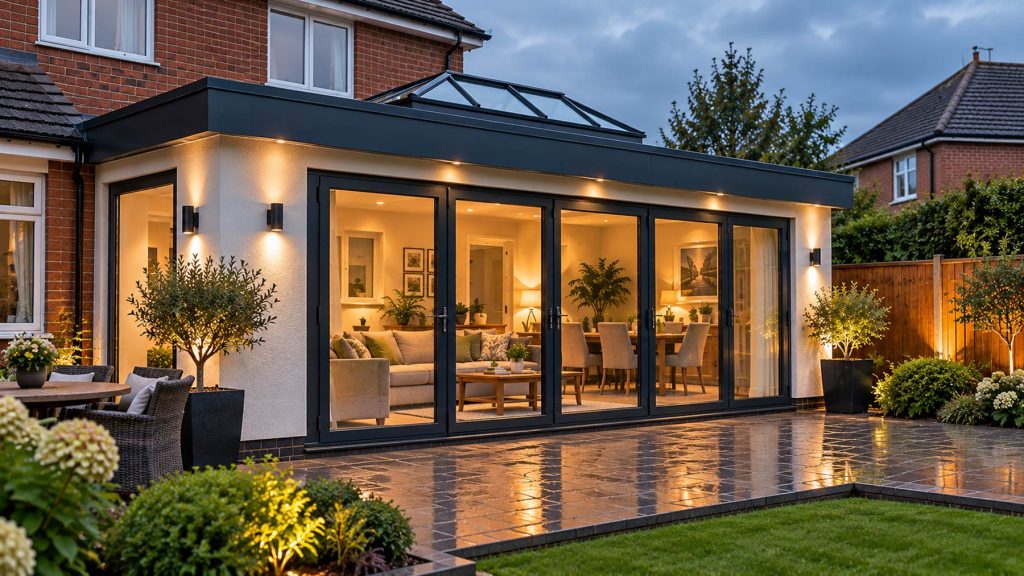
Large glazed areas need careful lighting consideration. Subtle floor lighting or ceiling spots near doors can help frame the space and maintain visibility without glare.
4. LED Strip Lighting
LED strips are incredibly versatile. Use them under cabinets, along skirting boards, or within ceiling recesses to create a soft, modern glow.

Lighting for Different Times of Day
Your extension should adapt as the day progresses:
- Daytime: Maximise natural light with minimal artificial input
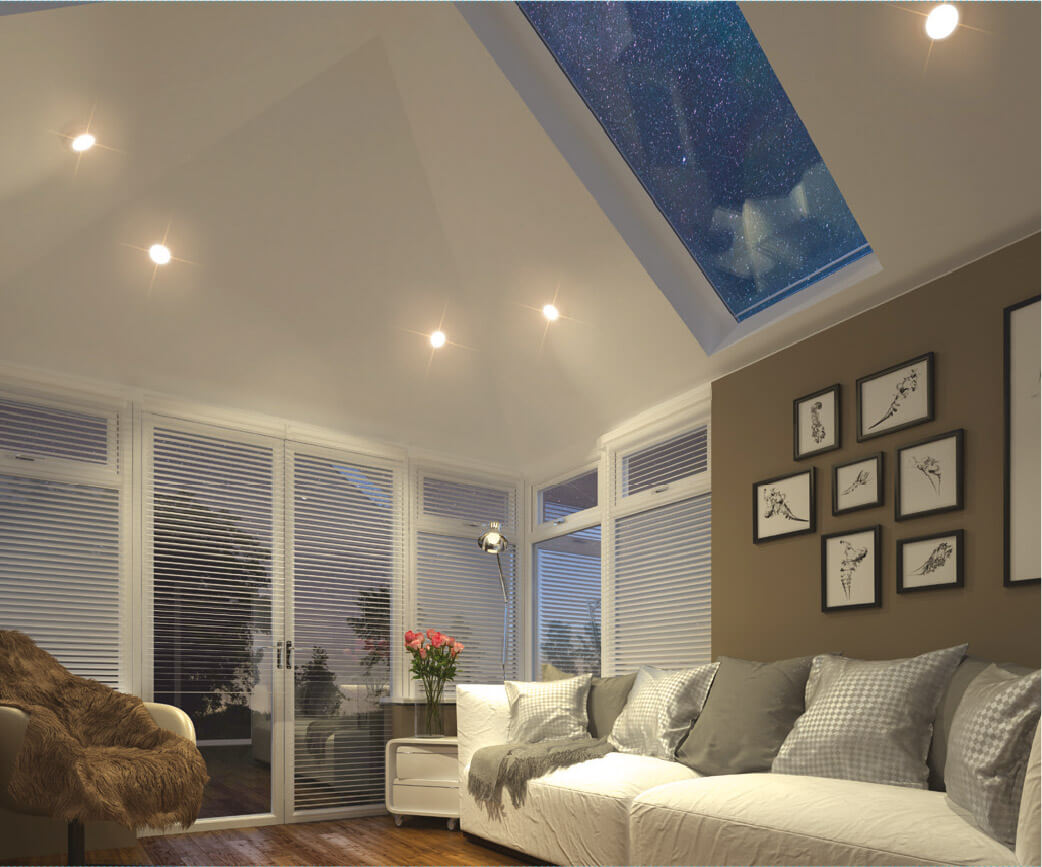
- Evening: Use layered lighting to create warmth and comfort
- Night: Soft, low-level lighting helps create a relaxing atmosphere
Installing dimmer switches is a simple way to control this transition effortlessly.
Dimmers are particularly useful in open-plan extensions where one area may need bright task lighting while another benefits from softer ambient light. According to the Lighting Superstore guide to home lighting, layered lighting combined with dimmers is key to achieving a balanced and functional space.
Choosing the Right Colour Temperature
Lighting colour has a big impact on mood:
- Warm white (2700K–3000K): Cosy and relaxing
- Neutral white (3500K–4100K): Balanced and practical
- Cool white (5000K+): Bright and energising
For most extensions, warm or neutral white works best to maintain a welcoming feel.

Final Thoughts
A well-lit extension isn’t just about brightness—it’s about balance, atmosphere, and usability. By combining different lighting types and thinking about how the space is used throughout the day, you can create an extension that truly enhances your home.