


When it comes to protecting your home, most homeowners focus on the windows and doors and the main tiled roof covering — but the roof edge and gable ends are just as important. Dry verge and bargeboard systems play a vital role in keeping your roof secure, weatherproof, and looking its best.
If these elements fail, it can lead to loose tiles, water ingress, and costly repairs. In this guide, we explain what dry verge and bargeboards are, how they work, and why modern systems are now the preferred choice for long-term protection.
What Is a Dry Verge System?
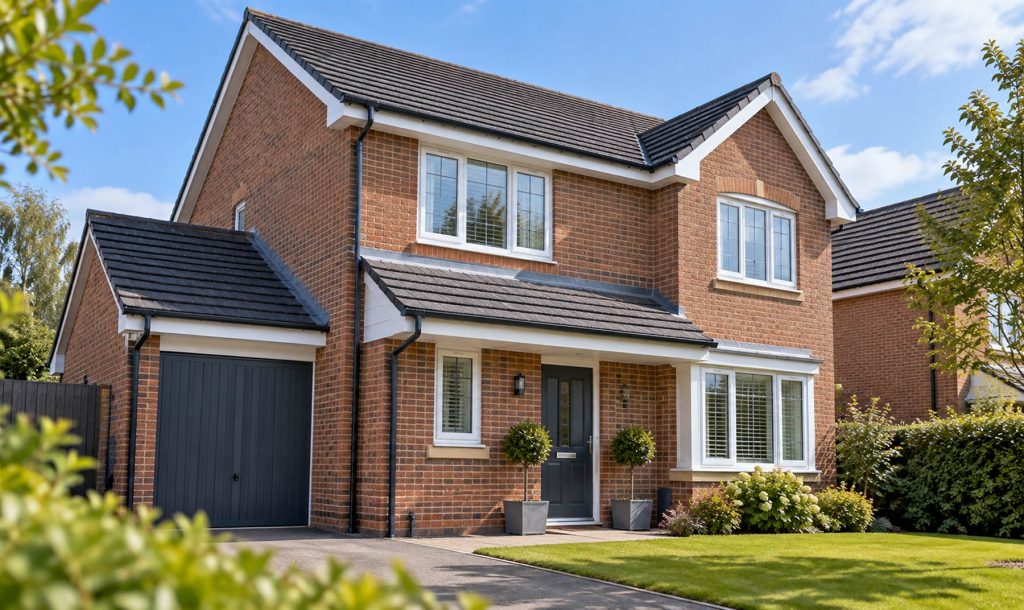
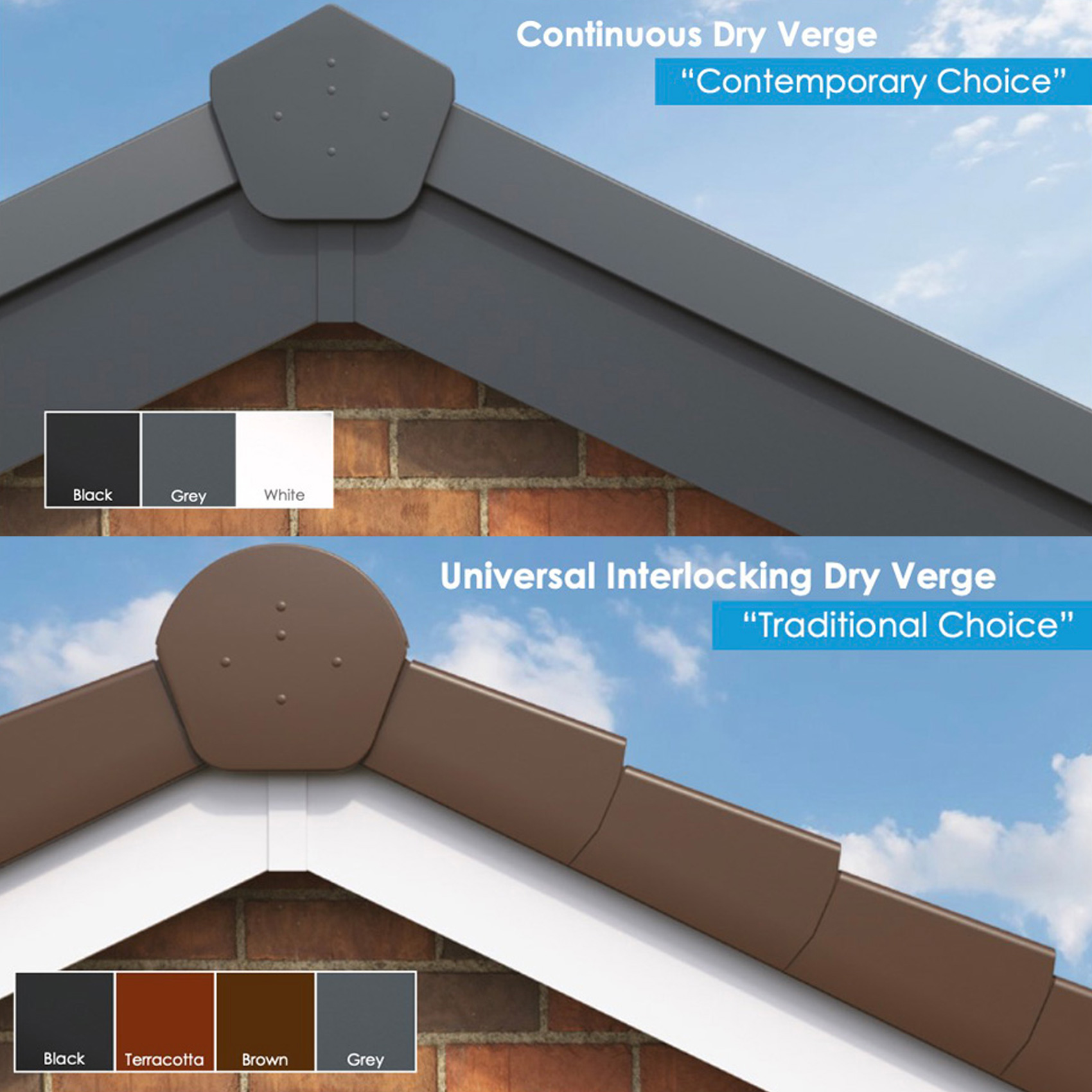
A dry verge system is installed along the verge of a tiled or slate roof — the sloping edge at the gable end. It replaces traditional sand and cement mortar with a mechanically fixed, interlocking system designed to secure roof tiles firmly in place.
- Prevents cracked or crumbling mortar caused by weather and age
- Secures roof tiles against wind uplift
- Stops water ingress at the roof edge
- Provides a neat, modern finish to the gable end
Modern building standards now favour dry verge systems because they offer a more durable and maintenance-free solution compared to traditional mortar pointing.
You can learn more about our dry verge installations on our
Dry Verge systems page.

What Are Bargeboards?
Bargeboards are fitted along the gable end of a roof, covering and protecting the exposed roof timbers. Traditionally made from timber, older bargeboards often require regular painting and maintenance to prevent rot and deterioration.
Over time, timber bargeboards can crack, warp, or allow moisture into the roof structure — particularly when combined with failing mortar verges.

Modern uPVC Bargeboard Systems
Most homeowners now choose uPVC bargeboards as a modern alternative to timber. These systems provide long-term protection while significantly reducing ongoing maintenance.
- No painting or staining required
- Resistant to rot, warping, and moisture
- Consistent appearance year after year
- Available in a range of colours and finishes
uPVC bargeboards are commonly installed alongside new fascias and soffits to refresh the entire roofline. You can explore full roofline upgrades on our
roofline systems page.

Dry Verge vs Traditional Mortar
Traditional mortar was once the standard method for finishing roof verges, but it is prone to cracking and failure over time. Once mortar begins to break down, it can allow water to penetrate the roof structure and loosen tiles.
Dry verge systems are mechanically fixed, meaning they remain secure in high winds and extreme weather. While the initial cost may be slightly higher, they typically offer better long-term value due to reduced maintenance and improved durability.

When Should You Consider Replacing Your Verge or Bargeboards?
It may be time to upgrade if you notice:
- Cracked, loose, or missing mortar along the roof edge
- Loose tiles at the gable end
- Rotting, peeling, or warped bargeboards
- Damp marks or water staining near the roofline
These are common roofline issues and are often highlighted during inspections for other work, such as repairs or roof upgrades.

Can Dry Verge and Bargeboards Be Installed During Other Roofing Work?
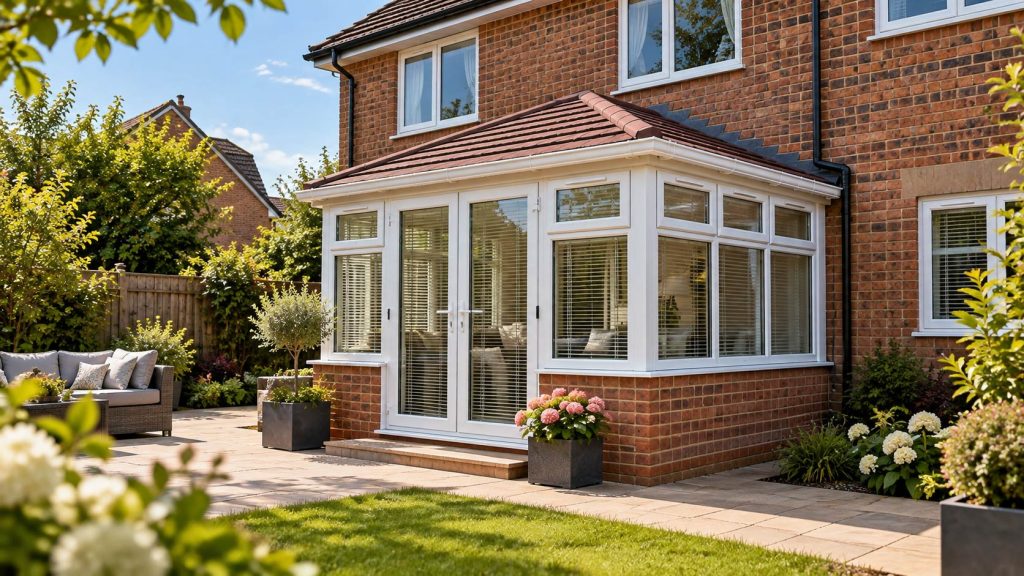
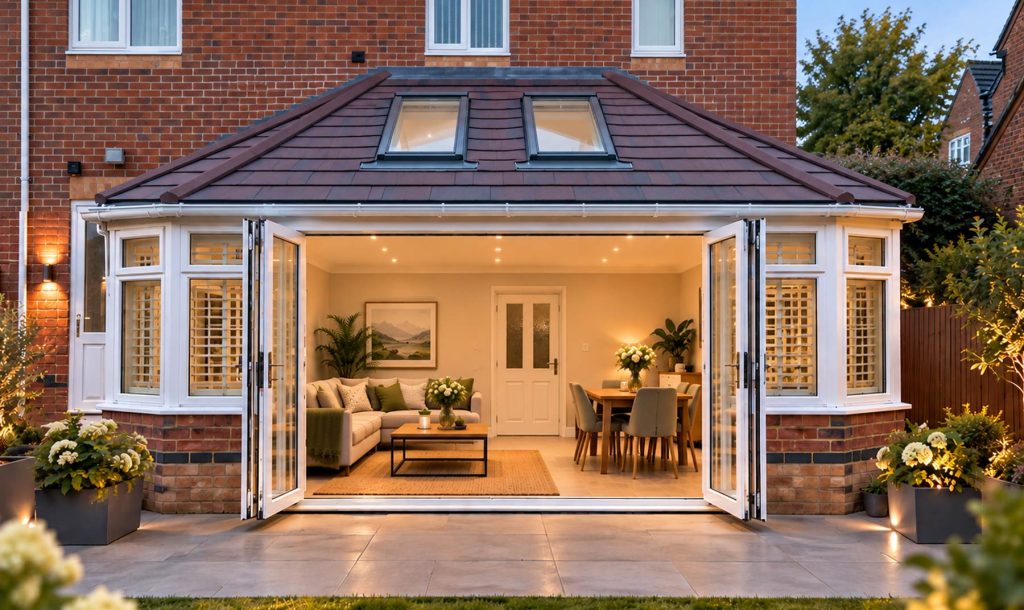
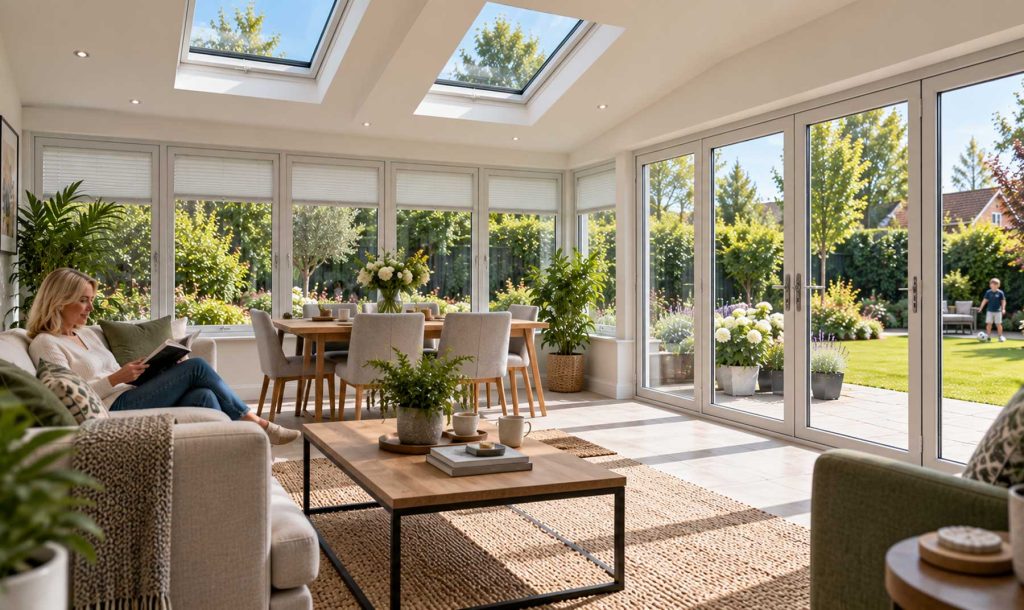
Yes — dry verge and bargeboard systems are frequently installed during projects such as a solid conservatory roof replacement or when upgrading fascias and soffits.
Completing the work at the same time helps ensure a consistent finish and minimises disruption.

Final Thoughts
Dry verge and uPVC bargeboard systems provide a smart, long-lasting solution for protecting your roof edges while improving the overall appearance of your home. Whether you’re addressing existing issues or planning a wider roof upgrade, they are an investment that delivers lasting value.
For further guidance on roofing best practice, you can also refer to the
NHBC roofing guidance.