
If you’re looking to improve the comfort, energy efficiency, and security of your home, upgrading your windows is one of the most effective investments you can make.
The big question many homeowners ask is: should I choose double glazing or triple glazing? In this guide, we’ll explore the differences, benefits, and things to consider so you can make the right decision for your property.
What is the difference between Double and Triple Glazing?
The difference is simple:
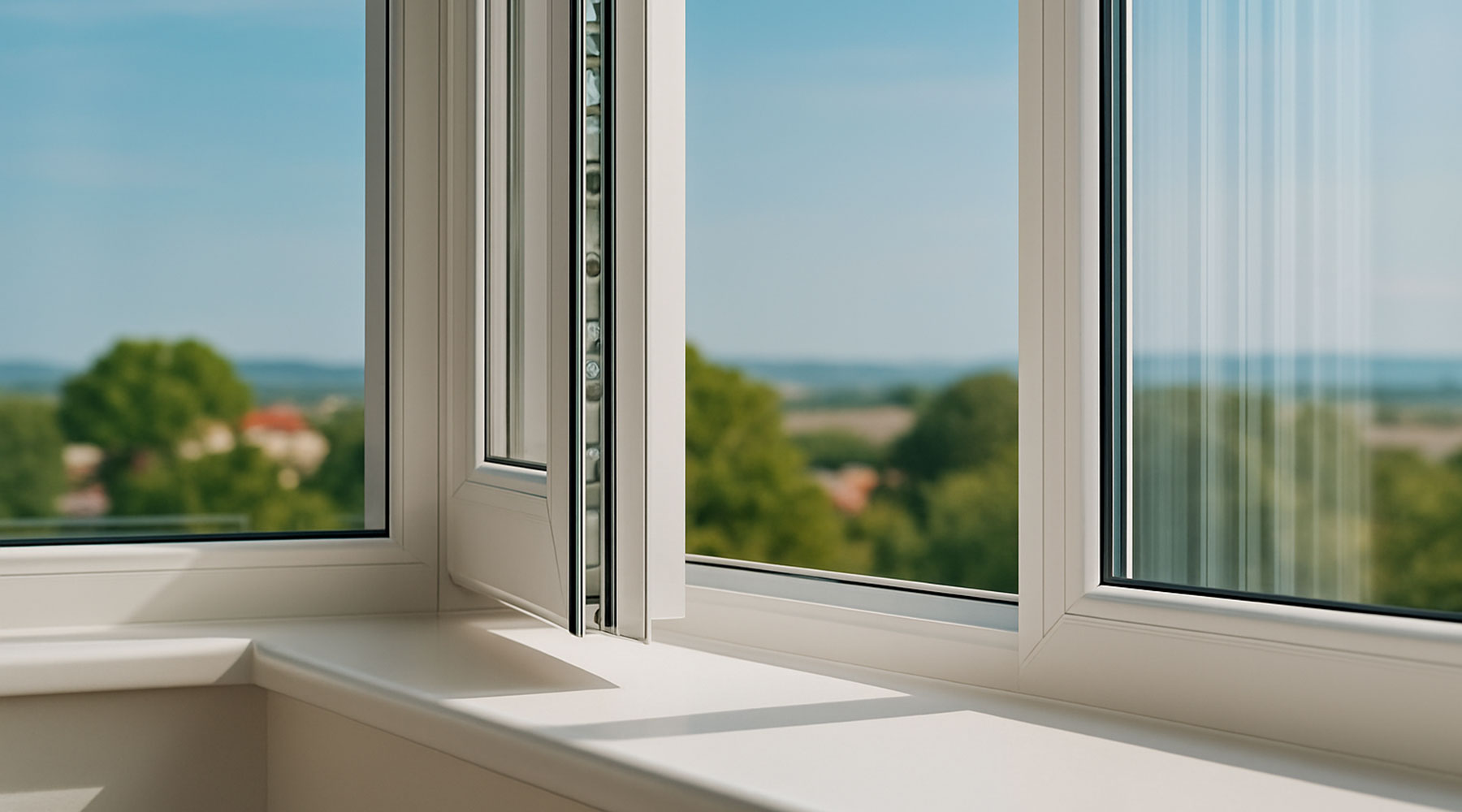
- Double glazing – two panes of glass with a sealed air or argon-filled gap between them.
- Triple glazing – three panes of glass with two sealed insulating gaps.
Both are designed to improve thermal efficiency and noise reduction compared to single glazing, but triple glazing takes insulation a step further.
The Benefits of Double Glazing
- Energy Saving – reduces heat loss, lowers bills, and keeps your home warmer.
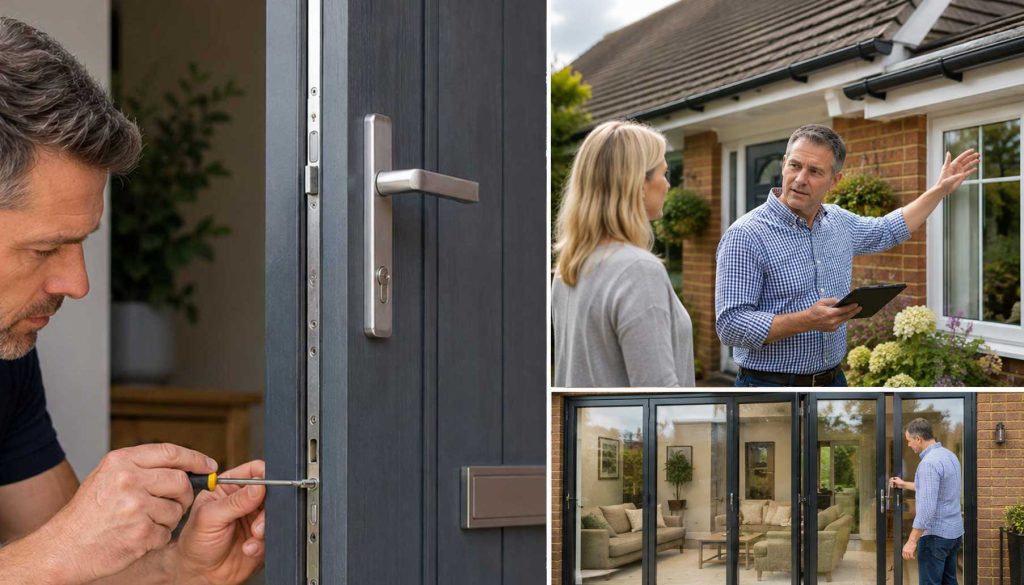
- Improved Security – modern locking systems and toughened frames.
- Comfort All Year – less draughts and considerably less condensation.
- Value Boost – can improve your EPC rating and add to property value.
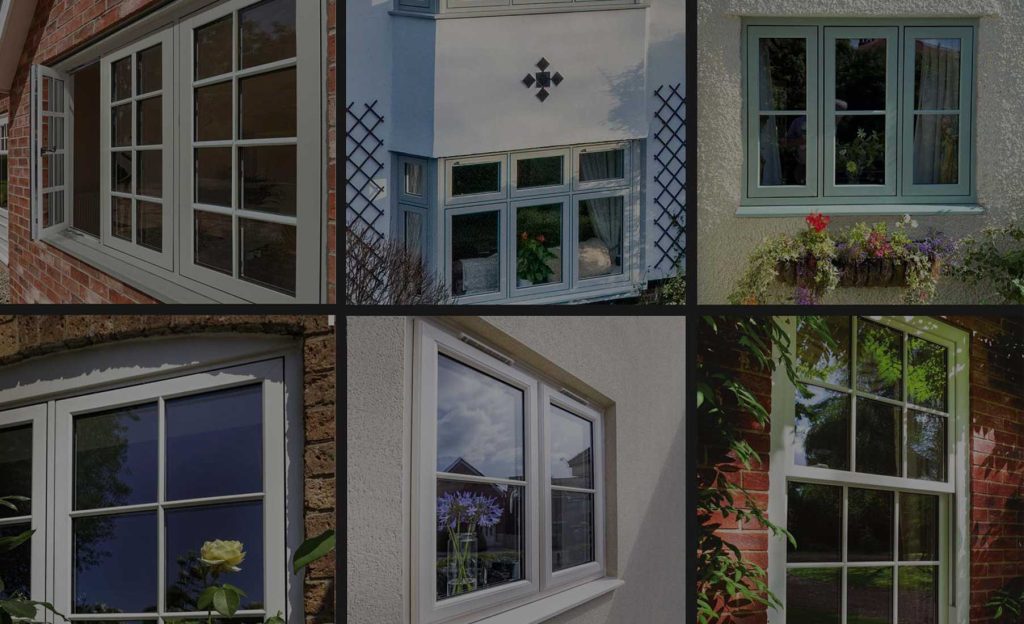
- Choice of Styles – available across casement, sliding sash, bay & bow, and more.
To better understand how window performance is measured, see: Window Energy Ratings Explained
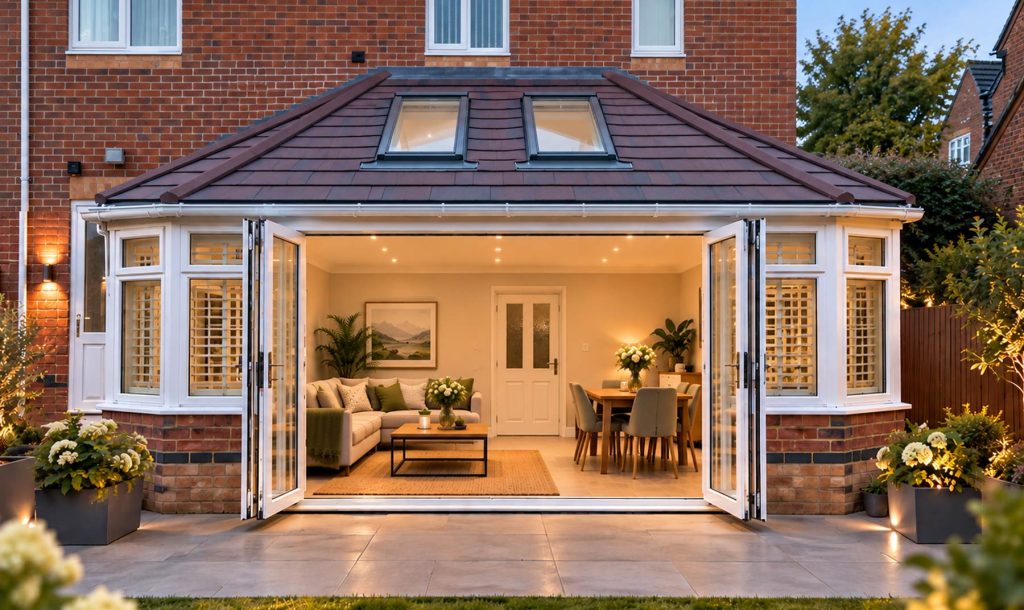
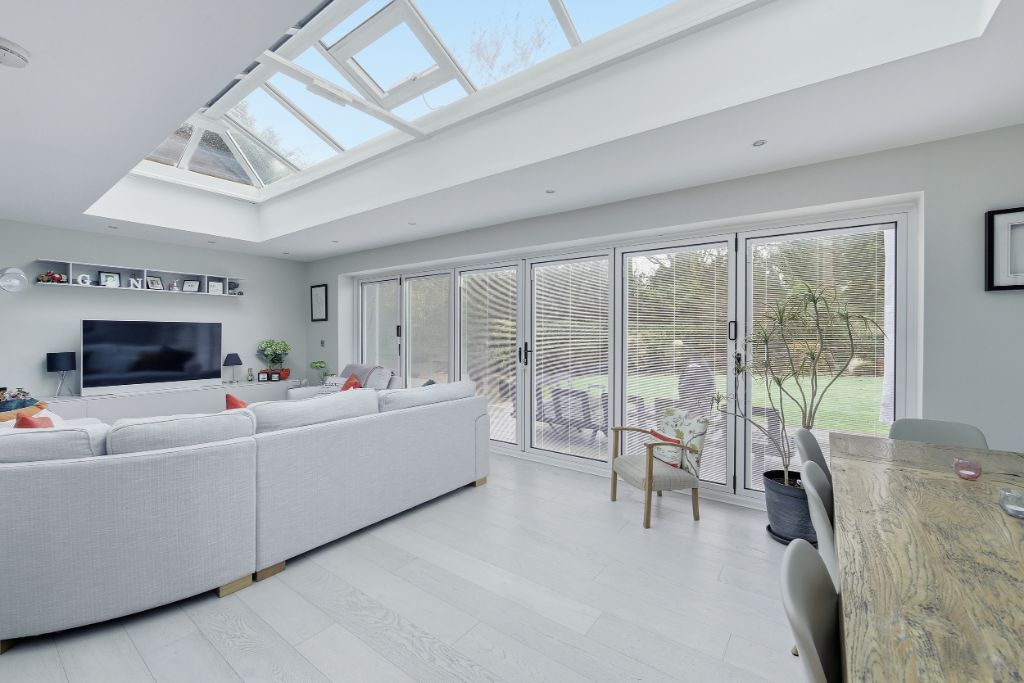
Double glazed bay and bow windows flood your living spaces with light.
The Benefits of Triple Glazing
- Superior Insulation – three panes make it the best for retaining heat.
- Noise Reduction – extra barrier helps if you live near roads or railways.
- Enhanced Security – harder to break, with robust frames and locks.
- Energy Ratings – often achieves A+ or even A++ energy efficiency.
- Ideal for Cold Rooms – perfect for north-facing rooms or shaded areas.
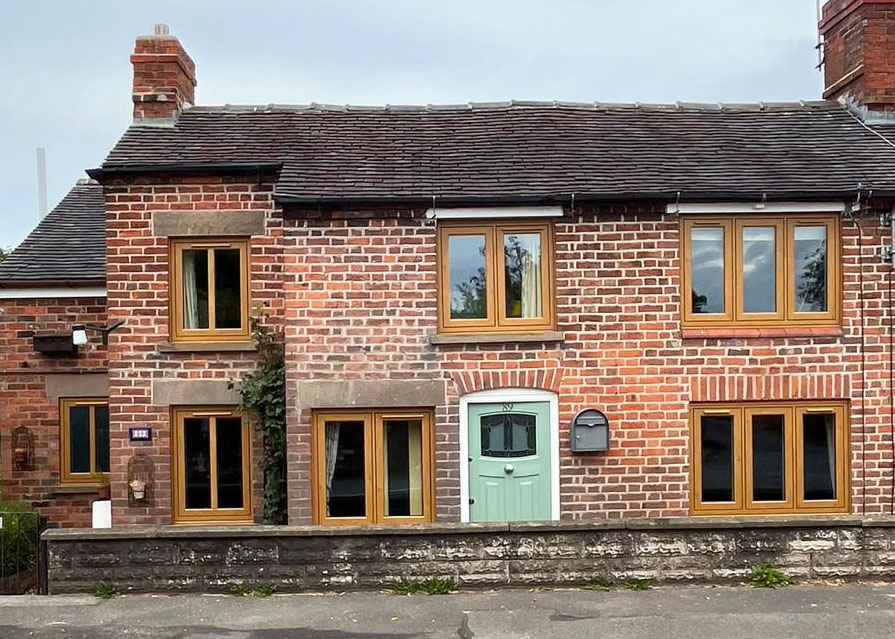
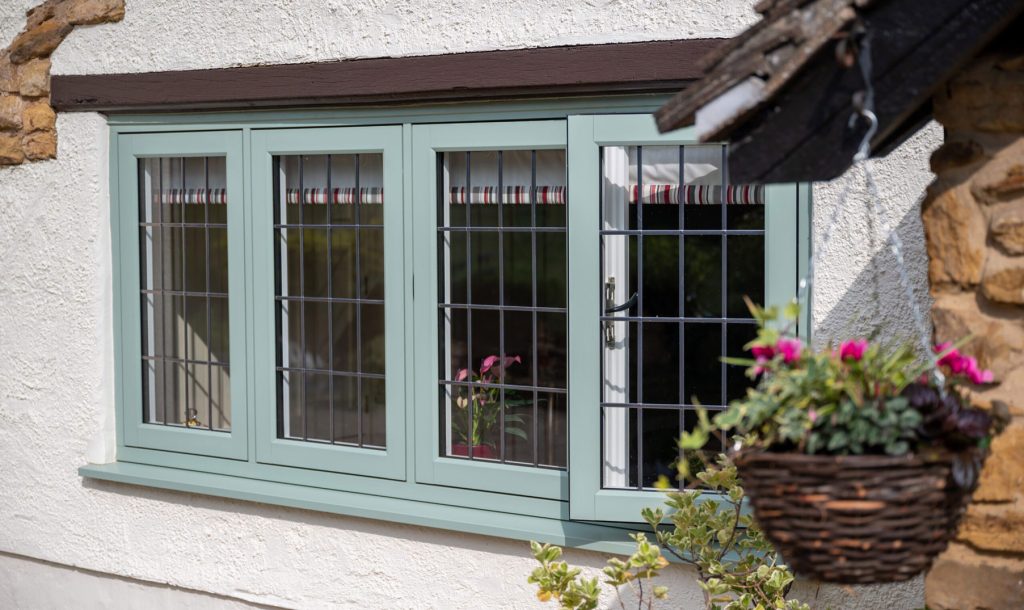
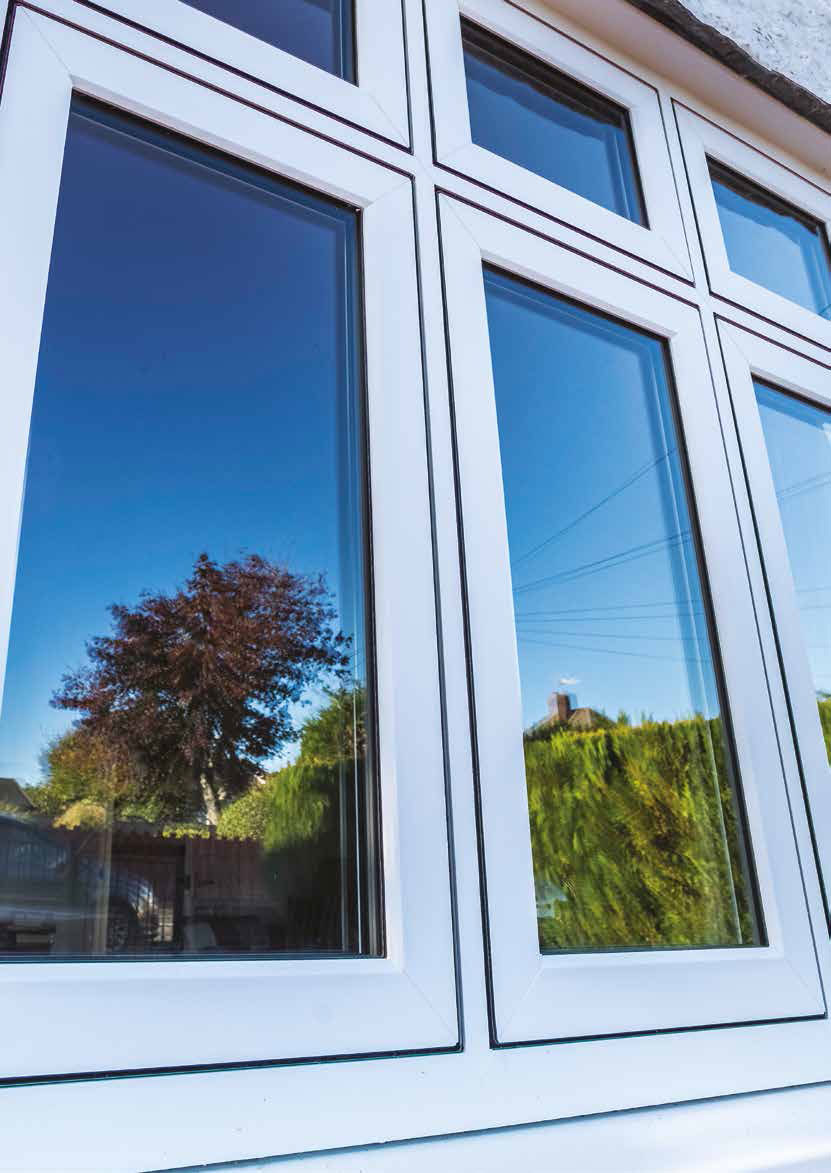
Triple glazing with Flush Fit windows gives a sleek, modern look.

Double Glazing vs Triple Glazing – Things to Consider
- Cost – triple glazing costs around 20–30% more than double.
- ROI – double glazing offers quicker payback through energy savings.
- Climate – in most UK homes, modern double glazing is sufficient. Triple glazing is most worthwhile in consistently cold rooms.
- Overheating – south-facing rooms with triple glazing may retain too much heat in summer.
- Property Style – not all homes or conservation areas allow triple glazing.

What has changed in 2026?
Advances in glazing technology mean the gap between double and triple glazing is now smaller than ever.
- Improved double glazing: Modern units now achieve excellent energy performance.
- Better frame technology: uPVC and aluminium systems are more thermally efficient.
- Cost vs performance: Double glazing now offers even better value for most homes.
- Targeted upgrades: Triple glazing is best used in specific rooms rather than whole properties.
Frame choice also plays a big role in performance — compare your options here: uPVC vs Aluminium Windows and Doors
For many homeowners, this means double glazing is now the smarter all-round choice — with triple glazing used where it adds the most benefit.
Which one should you choose?
In most cases, modern double glazing is more than enough to keep your home warm, secure, and energy-efficient.
However, triple glazing may be the better option if:
- Cold rooms: North-facing or shaded areas.
- Noisy locations: Near roads, railways, or busy areas.
- Exposed homes: Properties in open or windy locations.
In many homes, a combination of both works best — using double glazing in most areas and upgrading specific rooms to triple glazing where needed.
Get Expert Advice from Cheshire Conservatories
Every home is unique, and our expert team can help you decide the right glazing for your windows.
We supply and fit uPVC, casement, tilt & turn, sash, and flush fit styles – all available with energy-efficient double or triple glazing.