


Do I Need Trickle Vents on My Windows?
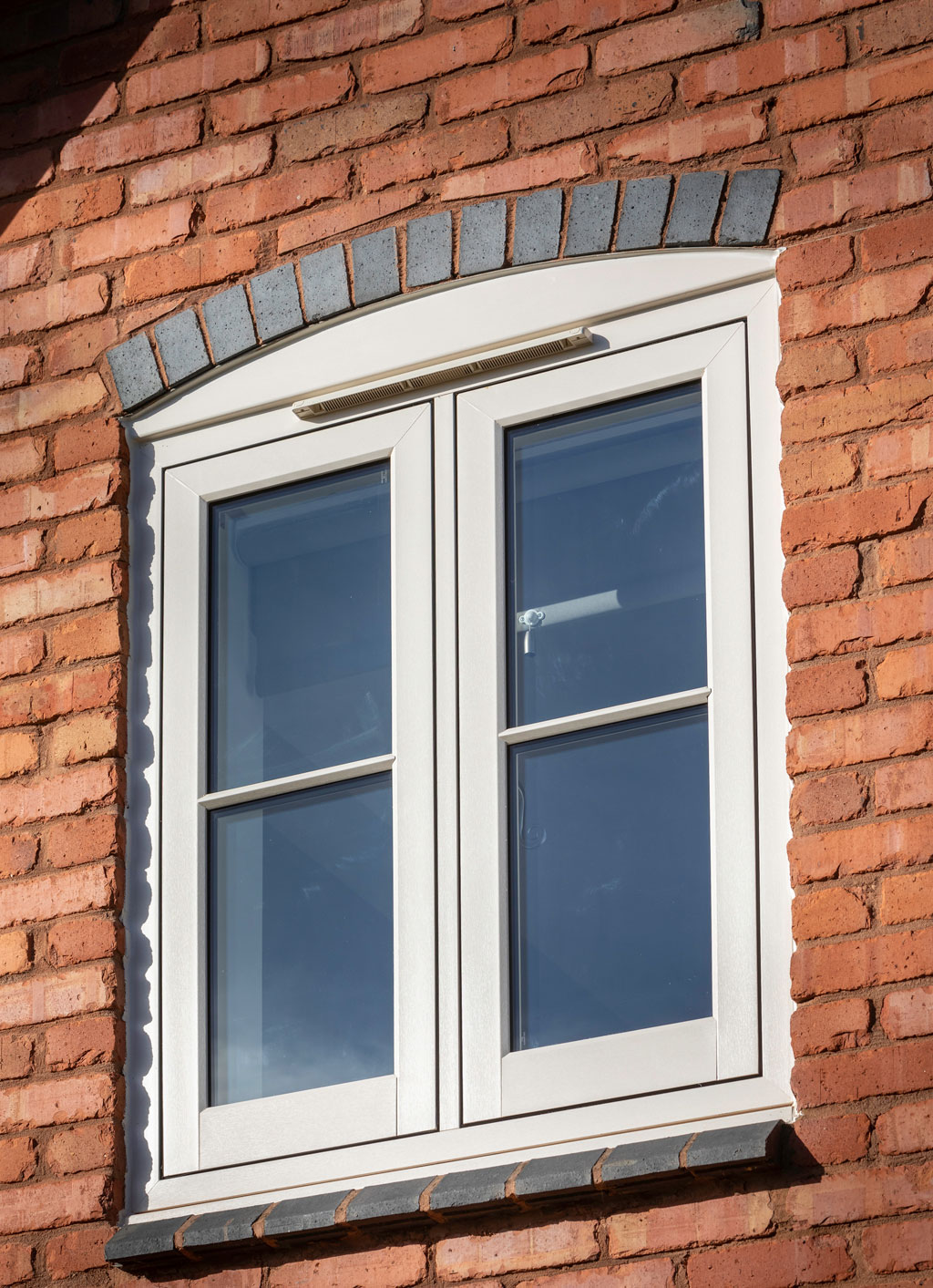
When replacing your windows or installing new ones, you might notice a small slot or opening at the top of the frame — this is called a trickle vent. But what does it do, and do you really need one?

What Are Trickle Vents?
Trickle vents are small openings, usually built into the top of window or door frames, that allow a small amount of air to flow in and out of your home — even when the window is closed.
They’re designed to provide background ventilation, helping to reduce condensation, improve air quality, and prevent damp or mould from developing.

How Do Trickle Vents Work?
- They allow fresh air to enter the property without the need to open the windows fully.
- They help remove stale or humid air, which reduces the risk of condensation.
- They improve indoor air quality by letting in oxygen and releasing moisture and CO₂.
- Many models have adjustable covers, so you can control airflow depending on the weather.

Why Are Air Vents Important?
Modern homes are more airtight than ever, thanks to improved insulation and double glazing. While that’s great for keeping heat in, it can also trap moisture and pollutants inside.
Trickle vents provide a simple, energy-efficient way to keep air circulating without losing too much warmth — maintaining comfort and preventing issues like damp and condensation.
Do You Have to Have Trickle Vents?
In many cases, yes. Trickle vents are now a requirement under UK Building Regulations (Approved Document F) for most new and replacement windows.
This means when you install new windows or doors, the installation must include adequate ventilation — and trickle vents are one of the easiest ways to achieve that.
There are some exceptions, such as listed buildings or properties with alternative ventilation systems, but for most homes, trickle vents are recommended or required to stay compliant.
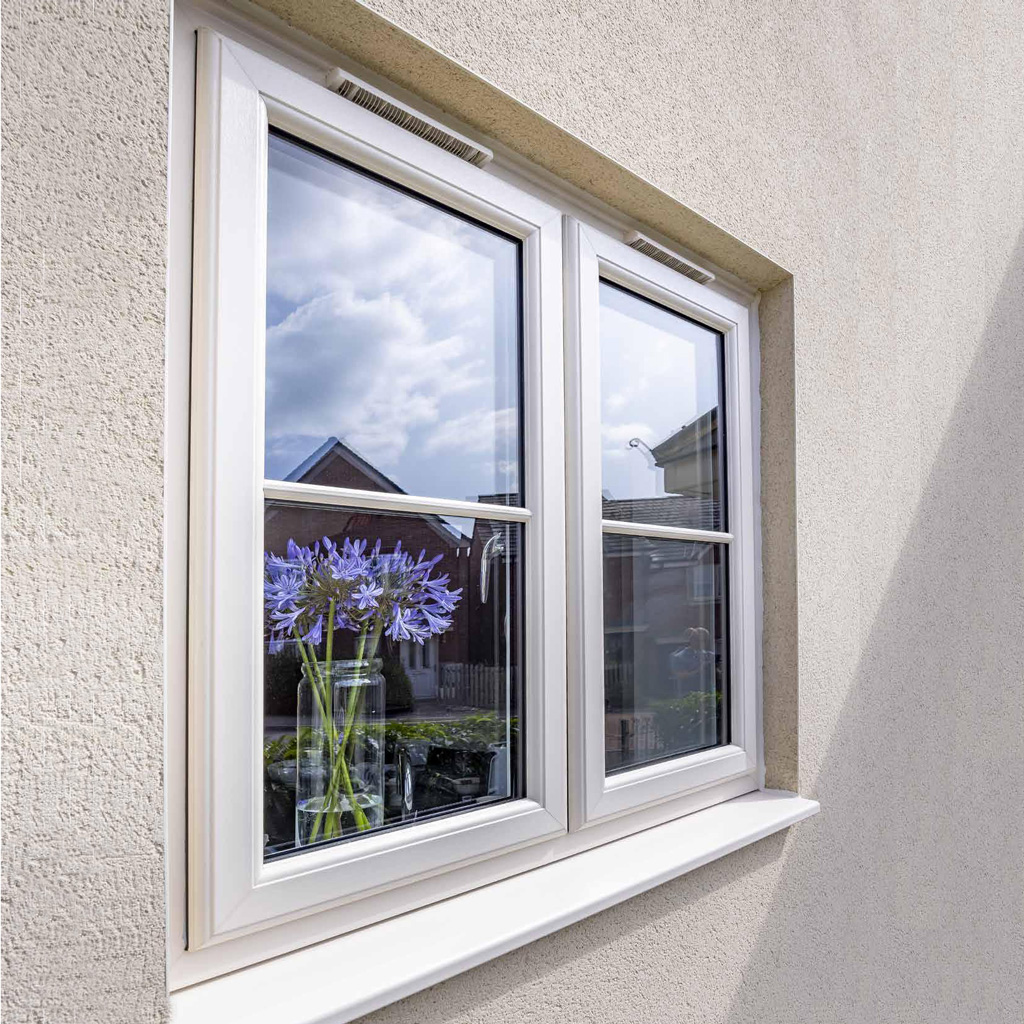
Benefits of Having Trickle Vents
- Reduces condensation: Helps moisture escape and keeps your home drier.
- Improves air quality: Allows a steady flow of fresh air into the home.
- Increases comfort: No need to leave windows open for ventilation.
- Supports Building Regulation compliance: Ensures your new windows meet current standards.
- Enhances energy efficiency: Proper ventilation helps balance indoor humidity, protecting insulation and window performance.

Can You Retrofit Vents?
If your existing windows don’t have trickle vents, it’s possible to retrofit them. However, this should always be done by a professional installer to ensure proper positioning, airflow, and compliance with regulations.
Should You Keep Them Open?
For best results, it’s recommended to keep trickle vents slightly open most of the time. You can close them during particularly cold or windy weather, but leaving them open ensures constant airflow and prevents moisture build-up.

Expert Advice from Cheshire Conservatories
At Cheshire Conservatories, all of our windows and doors are manufactured to meet the latest Building Regulations and energy performance standards — including options with discreet, effective trickle vents.
Whether you’re replacing your old windows or upgrading your home for better comfort and ventilation, we’re here to help. Contact us today for friendly, expert advice or a free quote.
For more guidance on ventilation and compliance, visit the UK Planning Portal’s guide to Approved Document F.