
Understanding Condensation in the Home: What it Means & How to Stop it
Condensation is one of the most common issues faced by homeowners — especially during the colder months. You might notice water droplets forming on your windows, doors, or conservatory roof panels, but it’s important to note that not all condensation is the same.
Understanding the difference between internal condensation and external condensation helps you identify whether it’s a problem that needs some attention — and what you can do to help to reduce it.

What Is Condensation?
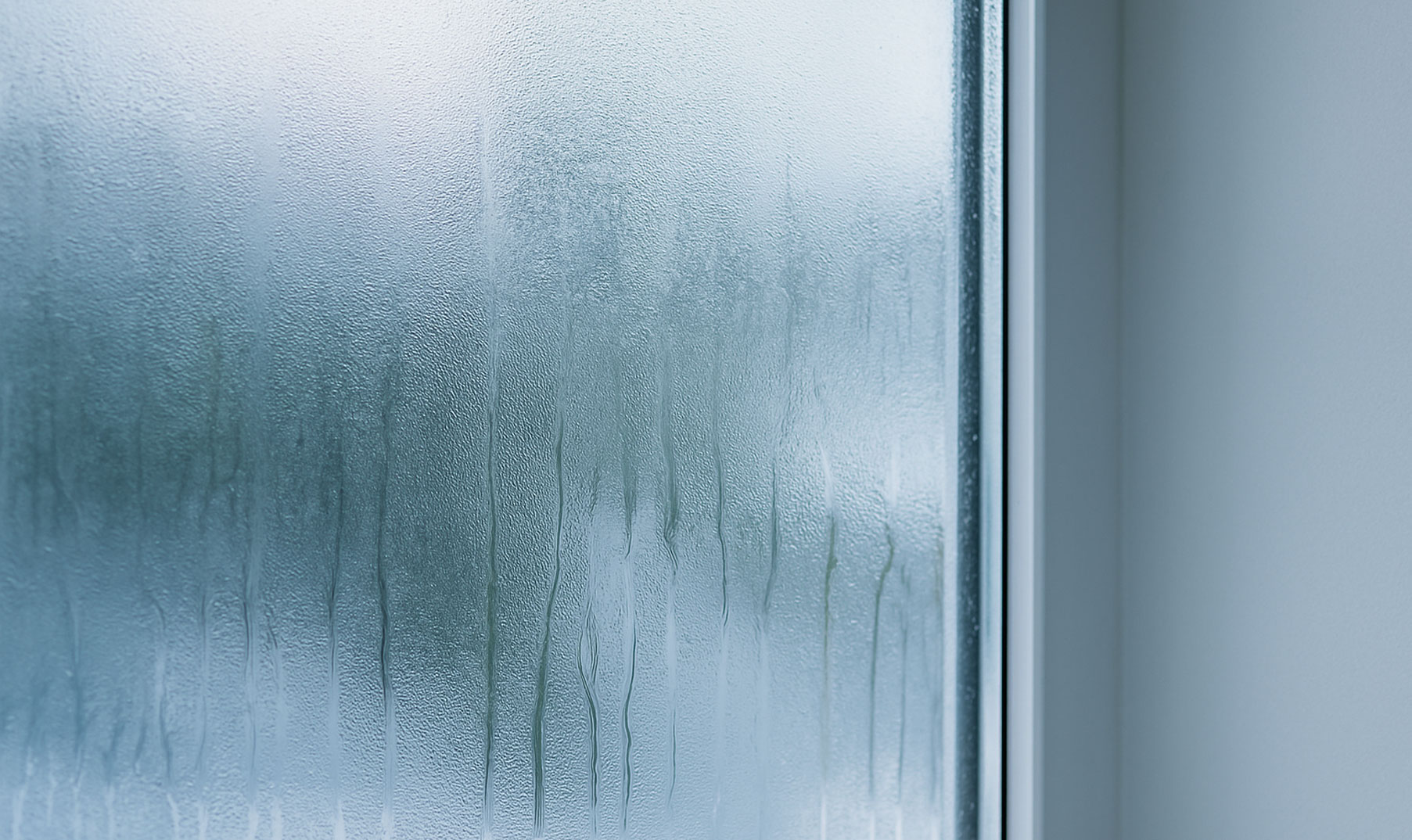
Condensation occurs when warm, moist air comes into contact with a colder surface, such as a windowpane. As the air cools, it can no longer hold as much moisture, and water droplets form on the surface.
This is perfectly natural — but when it happens inside your home, it can lead to damp, mould, and damage to walls, ceilings, or window frames if not managed properly.

Internal vs External Condensation
- Internal Condensation: Appears on the inside of windows or glass. It’s caused by excess humidity inside your home — from cooking, showering, drying clothes, or poor ventilation.
- External Condensation: Appears on the outside of your windows. It usually happens on well-insulated, high-performance glazing and is actually a sign of energy efficiency — the glass is keeping the warmth in so well that the outer pane cools faster overnight.
- Condensation Between Panes: If you notice misting between the glass panes, it means the window’s sealed unit has failed and needs replacing.

Is Condensation a Problem?
External condensation is harmless and temporary. However, persistent internal condensation can be a problem — leading to damp patches, peeling paint, or black mould growth.
Fortunately, there are practical steps you can take to reduce it and maintain a healthy indoor environment.

How to Reduce Condensation in the Home
- Improve ventilation: Use extractor fans in kitchens and bathrooms, and open windows regularly to allow moist air to escape.
- Don’t block air vents: Keep trickle vents on your windows open to allow steady airflow.
- Use dehumidifiers: These help maintain balanced humidity levels in high-moisture rooms.
- Maintain consistent heating: Sudden temperature drops can encourage condensation. A stable indoor temperature helps prevent it.
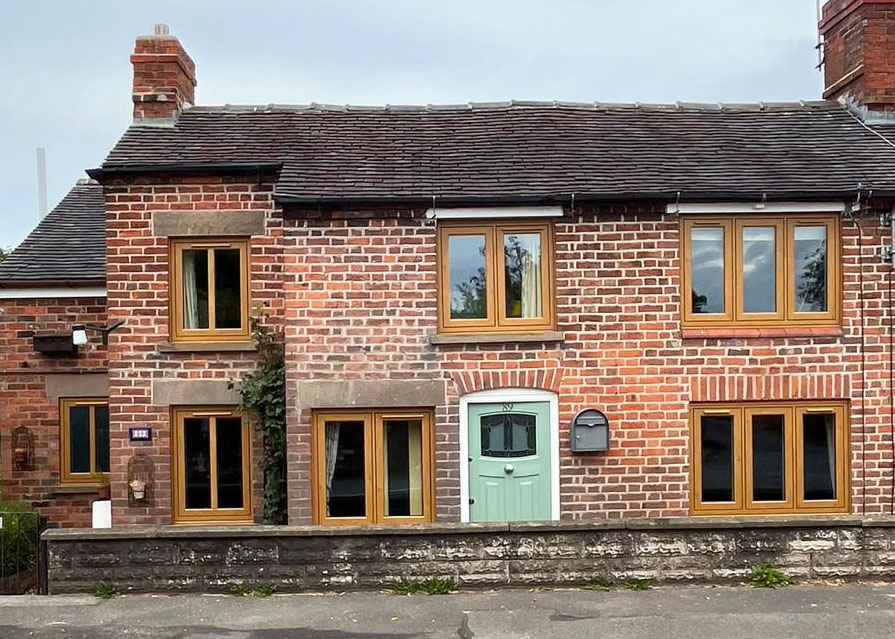
- Upgrade your windows: Modern double glazing and triple glazing offer better thermal performance, reducing cold surfaces where moisture forms.
- Dry clothes outdoors: Whenever possible, avoid drying laundry indoors to reduce humidity.
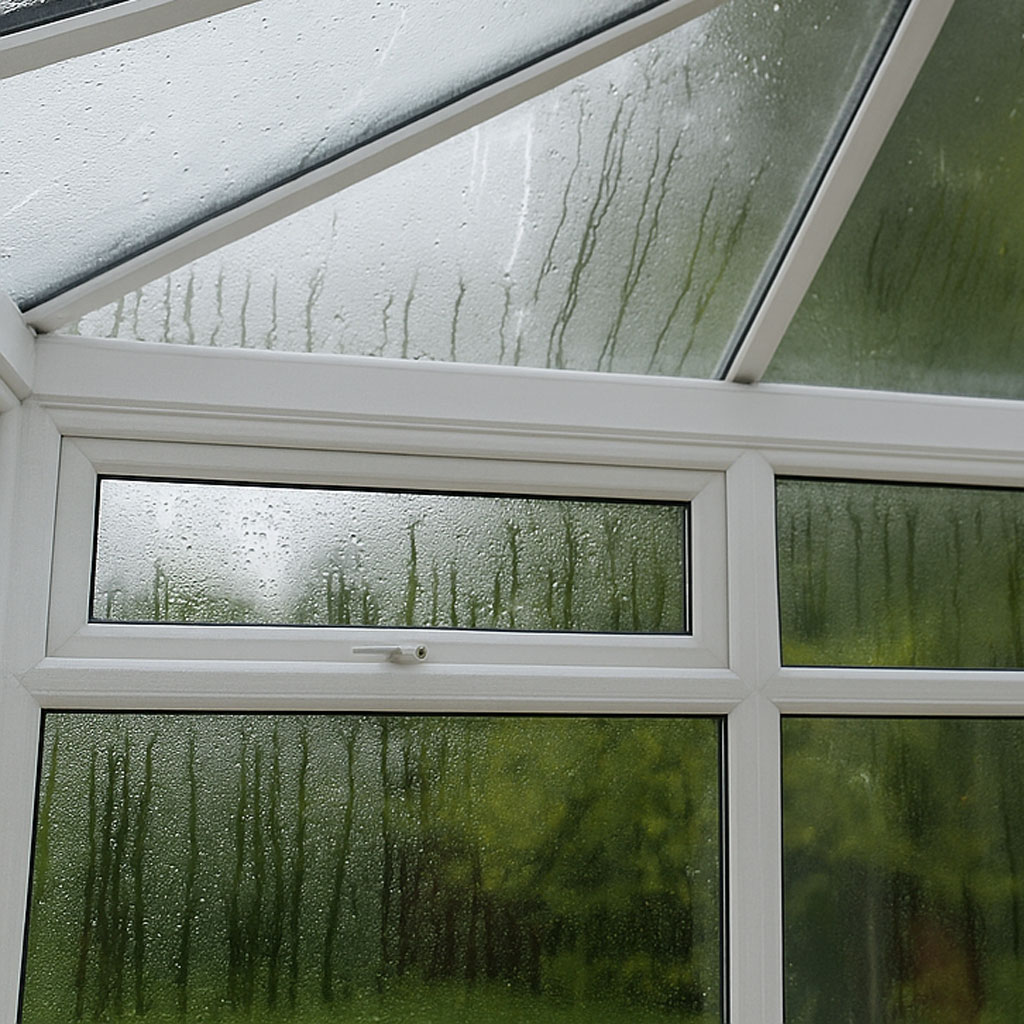

Condensation in Conservatories
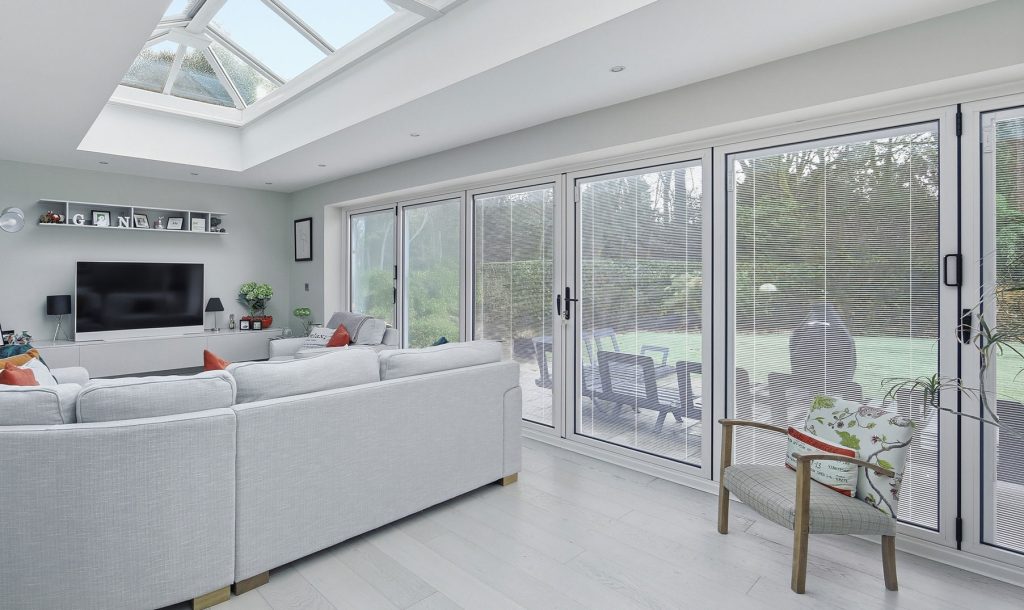
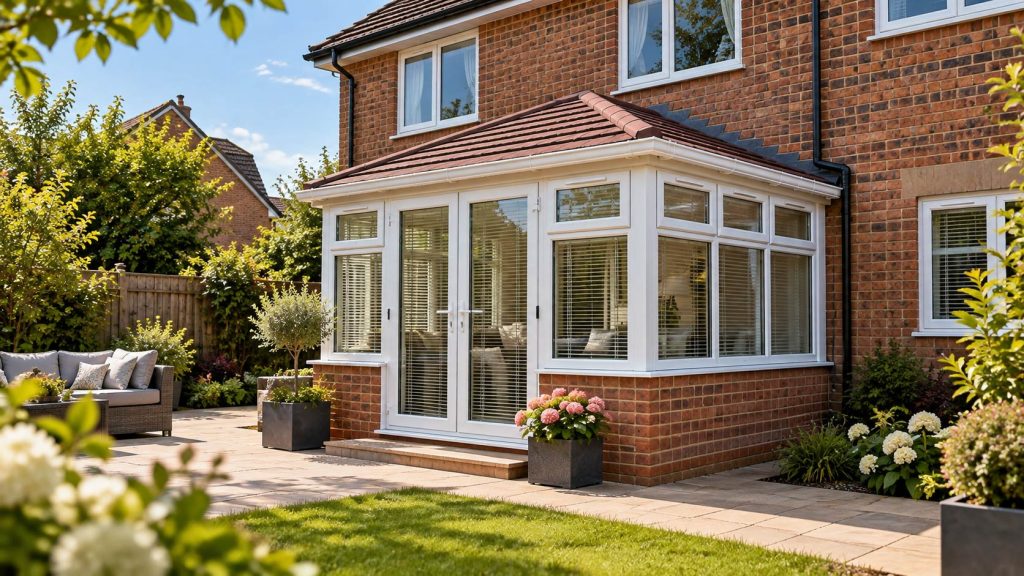
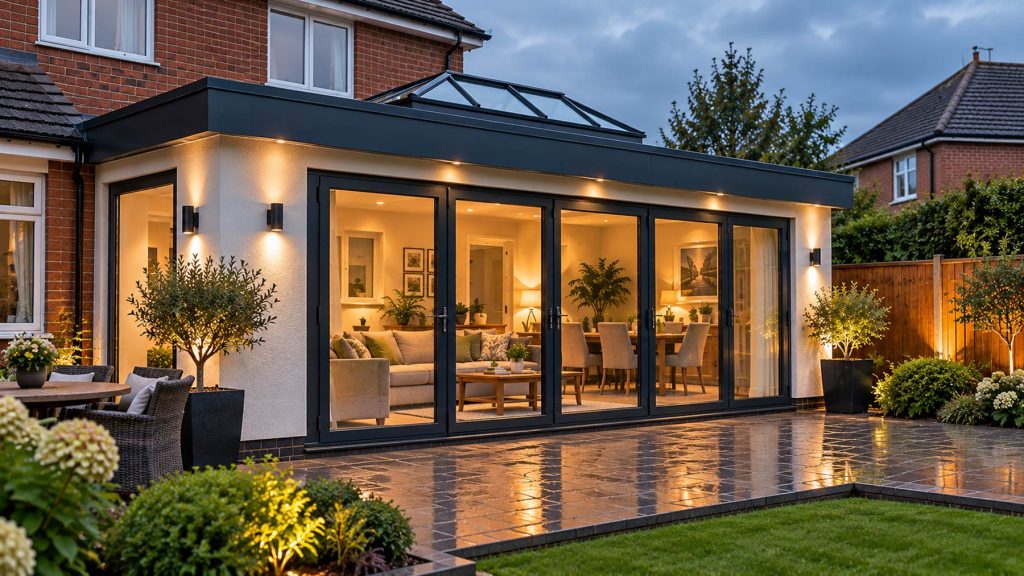
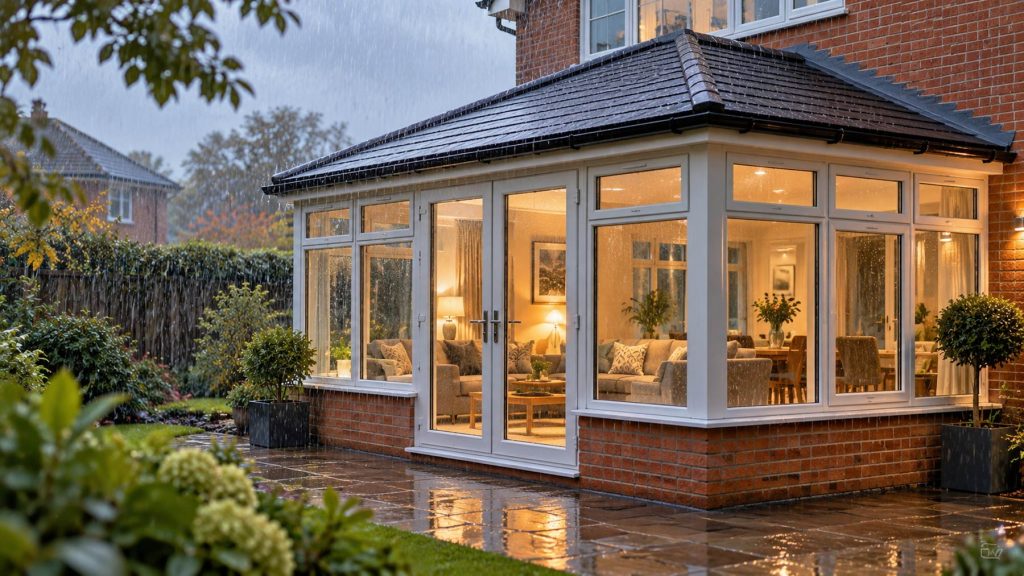
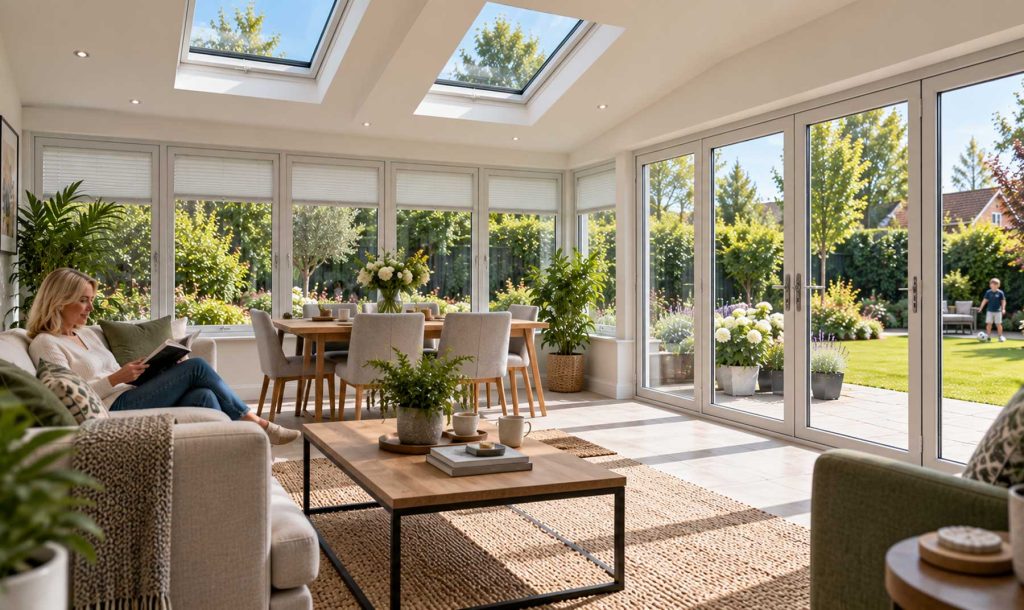
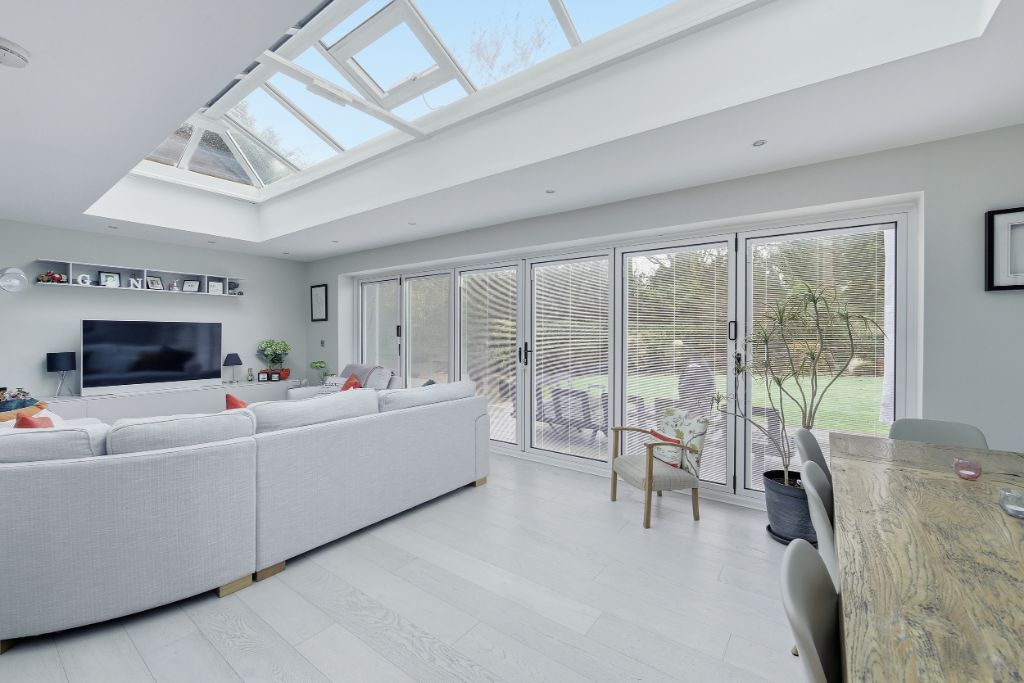
Conservatories and extensions can be particularly prone to condensation because of temperature variations between the main house and the glazed structure. Upgrading to a tiled conservatory roof or solid roof can dramatically improve insulation and comfort all year round.
When to Seek Professional Advice
If you’re seeing regular condensation between glazing panes, damp spots on walls, or mould growth, it may be time to replace older windows or improve ventilation. Our team at Cheshire Conservatories can assess your home and recommend the best solutions to eliminate condensation and improve energy efficiency.
For further independent advice, visit the FENSA homeowner advice page for guidance on window and glazing standards.
Contact us today for expert advice or a free quote on new energy-efficient windows and conservatory upgrades.