
The Pros, Cons, and Alternatives
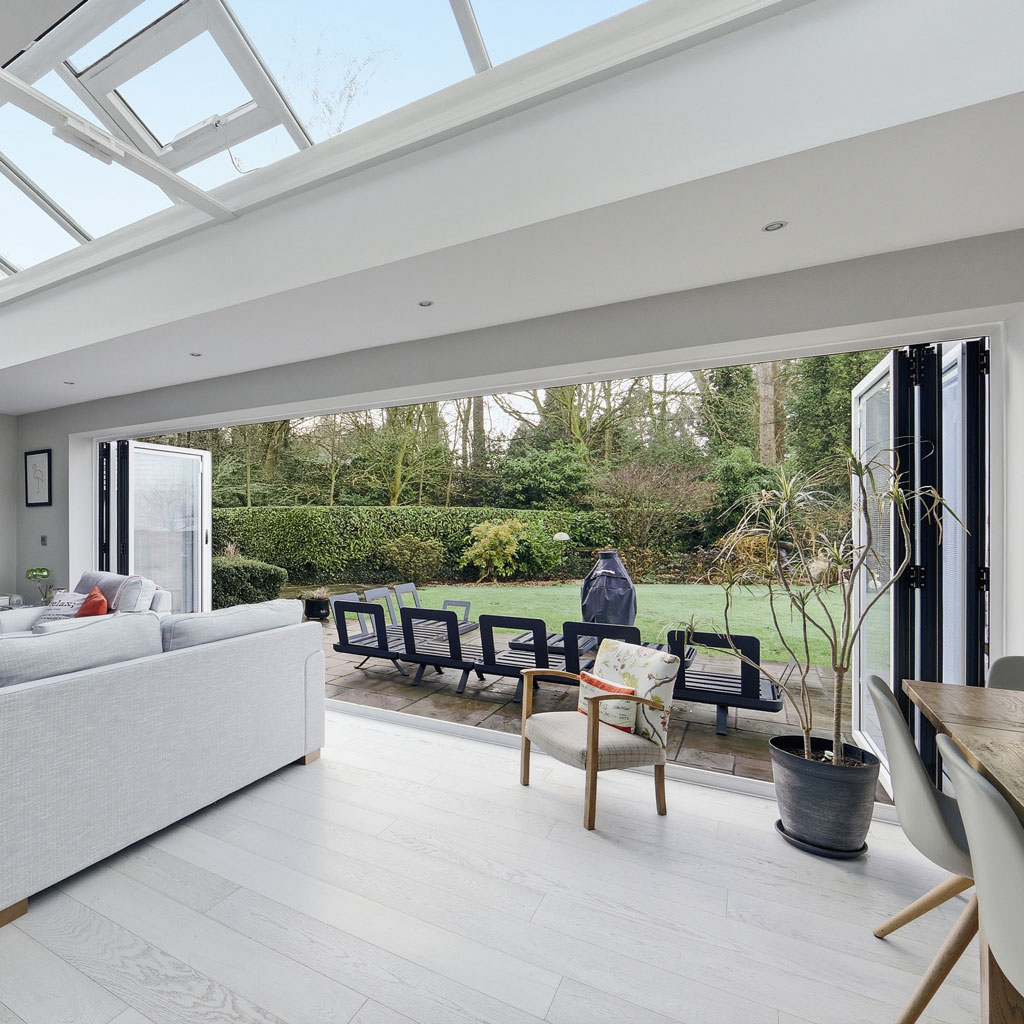
Bi-fold doors have become one of the most desirable home improvement features in the UK. Their wide openings and sleek frames create a modern feel while connecting indoor and outdoor spaces seamlessly.
But are they always the right choice?
Before investing in a new door system, it’s important to understand the advantages, potential drawbacks and alternative options available. In this guide, we’ll break down whether bi-fold doors are truly worth it for your home.

What are Bi-Fold Doors?
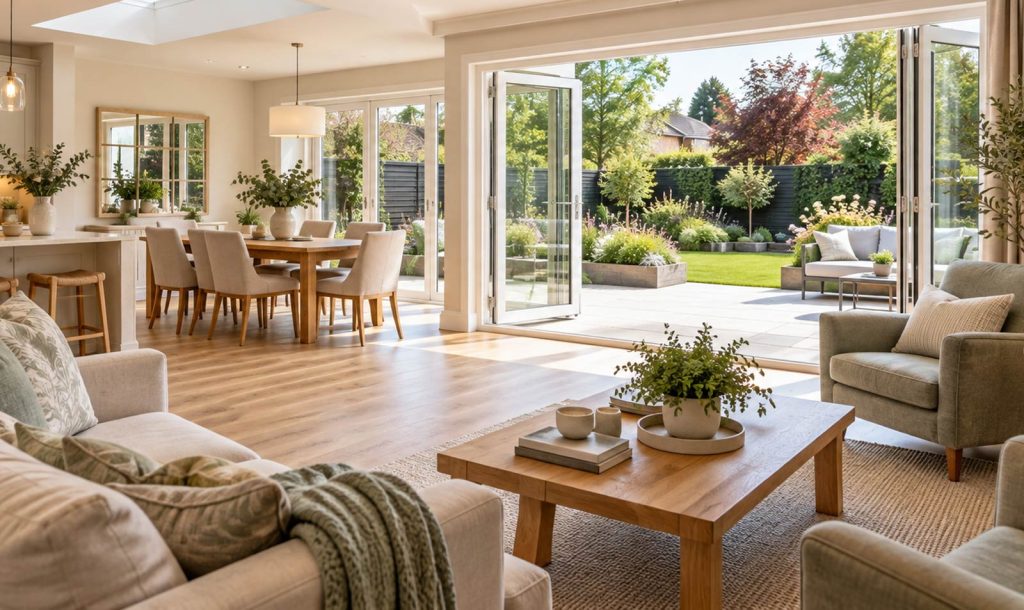
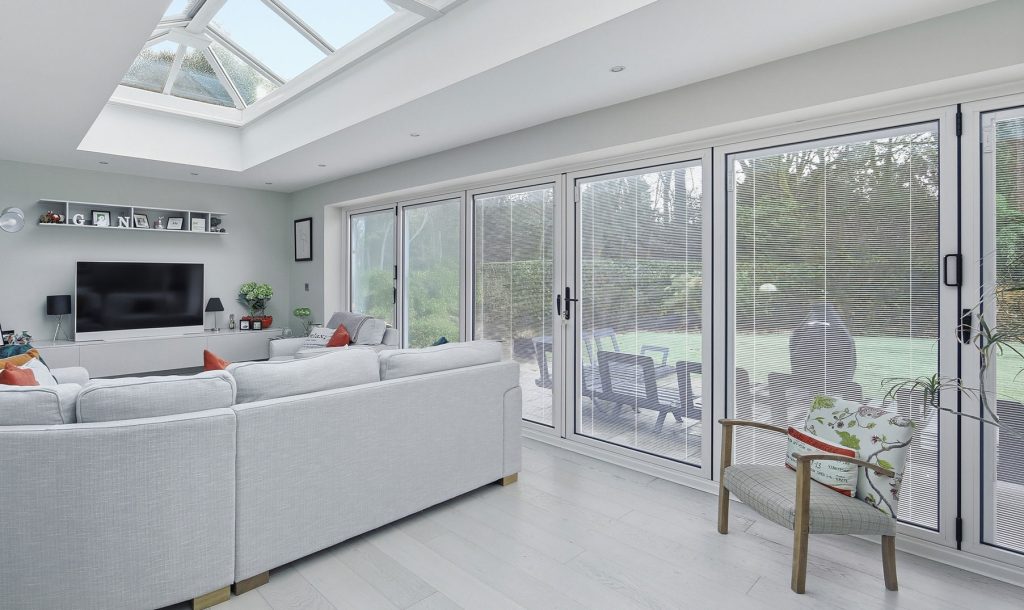
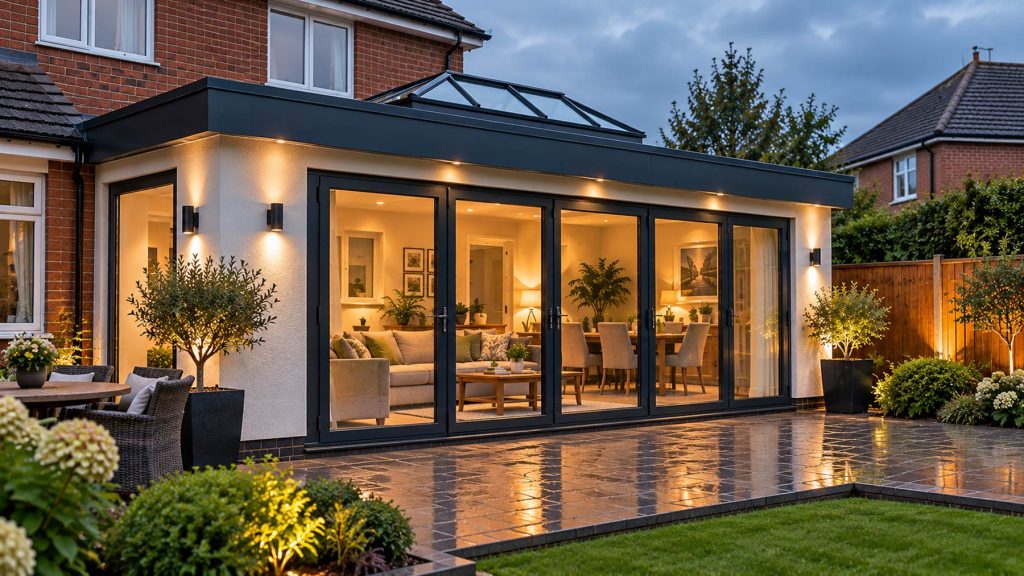
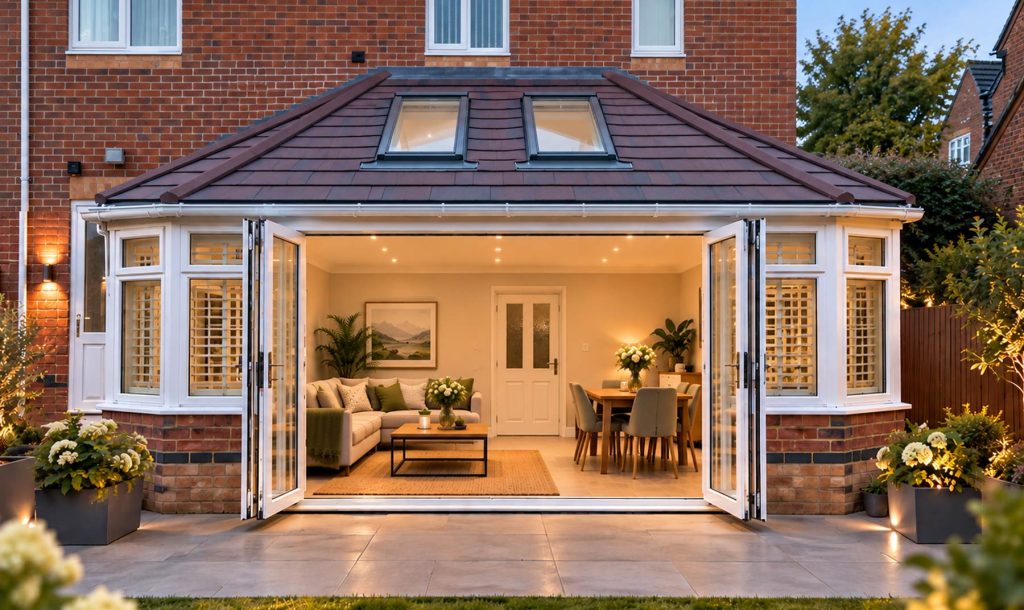
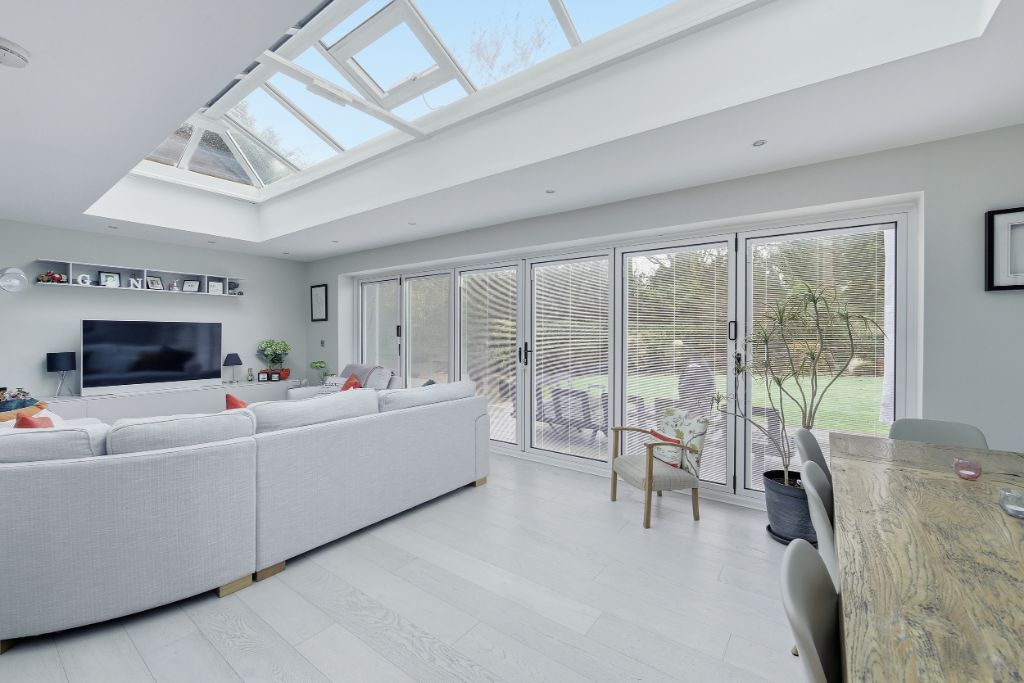
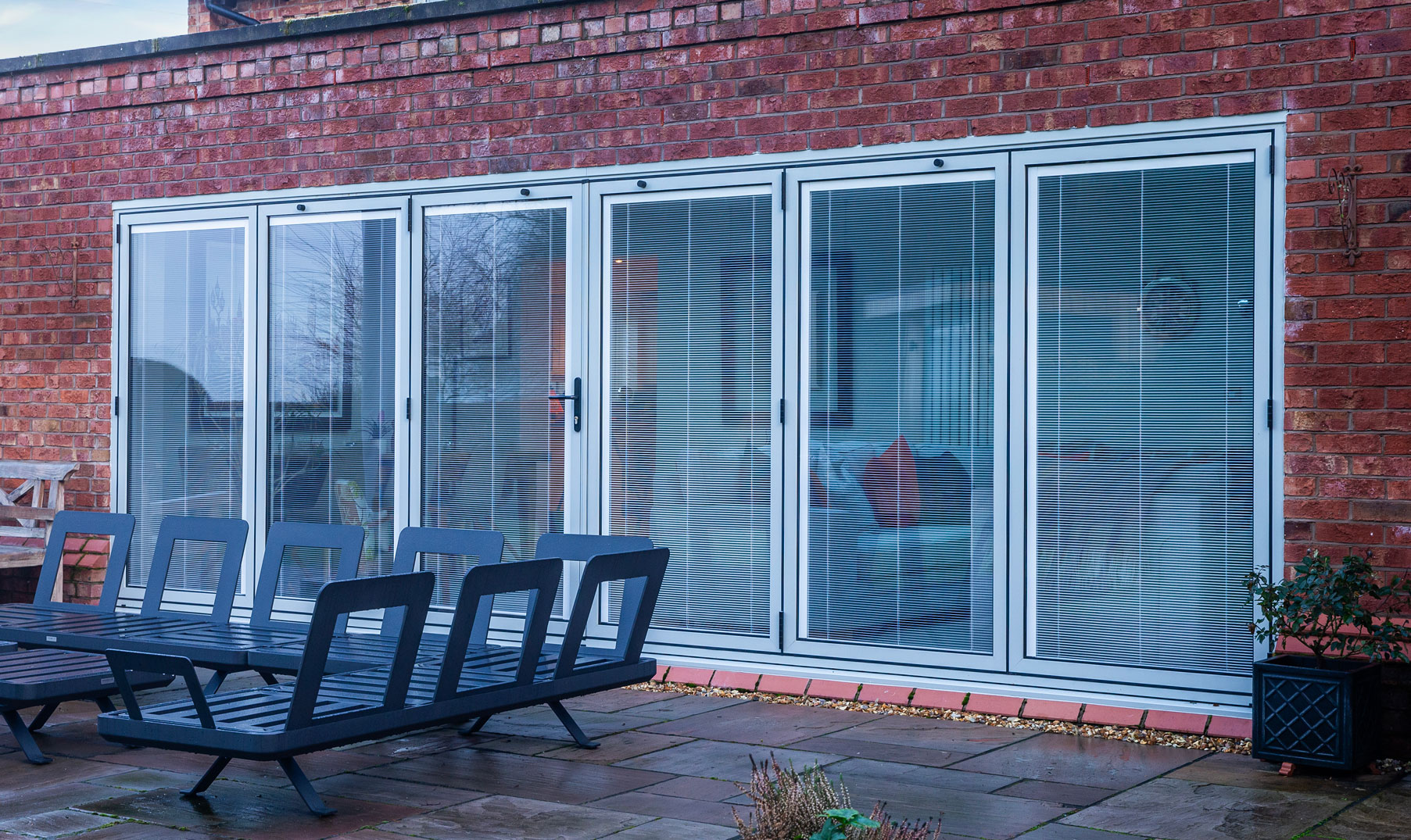
Bi-fold doors consist of multiple glazed panels that fold and stack neatly to one side when opened. Unlike traditional French doors or sliding doors, they allow you to open up almost the entire width of the aperture.
They are especially popular for:
- Rear extensions
- Kitchen renovations
- Garden-facing living rooms
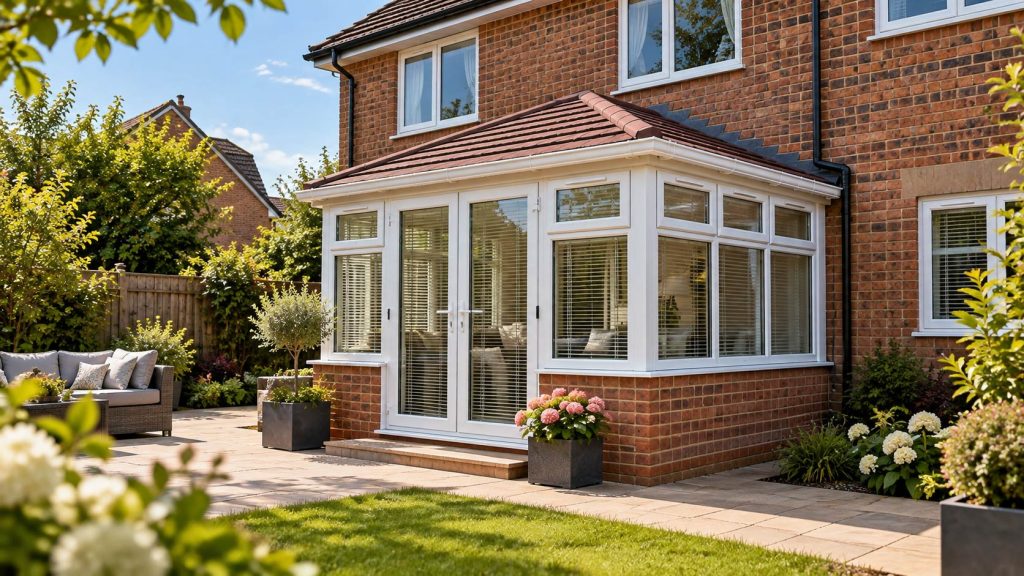
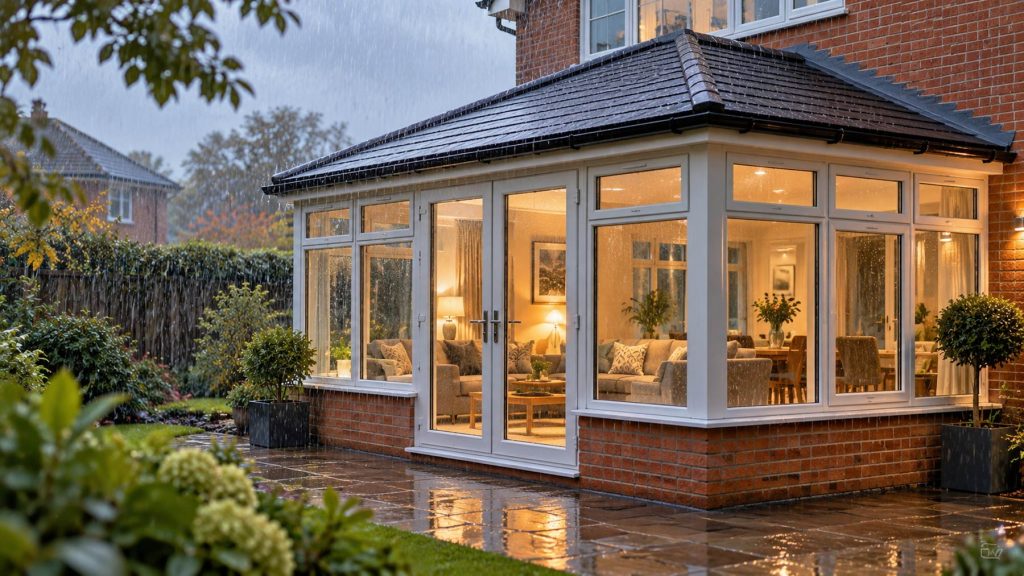
- Conservatories
If you’re comparing styles, it’s helpful to read our guide on the difference between hinged, French, sliding and bi-fold doors to understand how each system performs.
The Pros of Bi-Fold Doors
There’s a reason bi-fold systems are in high demand. They offer several clear advantages.
- Wide openings: Creates a near wall-free transition between your home and garden.
- Modern aesthetic: Slim aluminium frames give a contemporary, high-end finish.
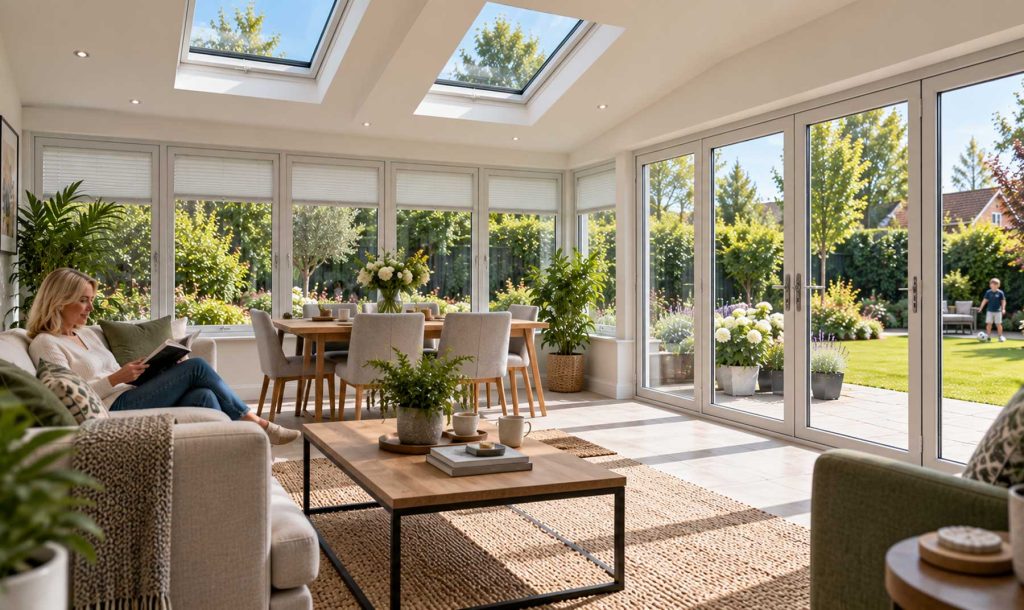
- Increased natural light: Large glazed panels maximise daylight.
- Flexible ventilation: You can partially open panels for controlled airflow.
- Property appeal: Open-plan living features are attractive to buyers.
When installed correctly with modern glazing, bi-folds can also achieve strong thermal performance. If energy efficiency is a priority, you may also want to read How Energy-Efficient Is Your Door? Understanding U-Values & Thermal Performance.

The Cons of Bi-Fold Doors
While they look impressive, bi-fold doors aren’t perfect for every property.
- Higher cost: Typically more expensive than sliding or French doors.
- Frame visibility when closed: Multiple panels mean more vertical sightlines.
- Stacking space required: Panels need room to fold internally or externally.
- Threshold considerations: Fully flush thresholds may impact weather performance.
For some homeowners, these factors outweigh the aesthetic benefits.

Are Bi-Fold Doors Energy Efficient?
Modern systems perform significantly better than early designs. With double or triple glazing, thermal breaks and quality seals, bi-fold doors can meet current Building Regulations.
However, because they contain more frame sections and moving parts than sliding doors, energy performance can vary depending on manufacturer and installation quality.
For impartial guidance on improving home energy efficiency standards, the Energy Saving Trust provides useful advice.

When Bi-Fold Doors make sense
Bi-fold doors are often worth it if:
- You want maximum opening space: Ideal for entertaining and summer living.
- You’re completing a modern extension: Complements contemporary designs.
- You have adequate wall width: Larger openings suit folding systems best.
- Budget allows for premium systems: Quality installation is essential.
They are particularly effective in homes where the garden is a major feature.
For a deeper look at approvals and compliance around structural openings, see our guide to Building Regulations for Conservatories.

Alternatives to Consider
Bi-fold doors aren’t the only way to create indoor-outdoor flow. Depending on your space and priorities, alternatives may be more suitable.
- Sliding patio doors: Fewer frames when closed and excellent panoramic views. Explore options on our Patio Doors page.
- French doors: Classic appearance with symmetrical opening and often lower cost.
- Single hinged doors: Ideal for smaller openings or side access areas.
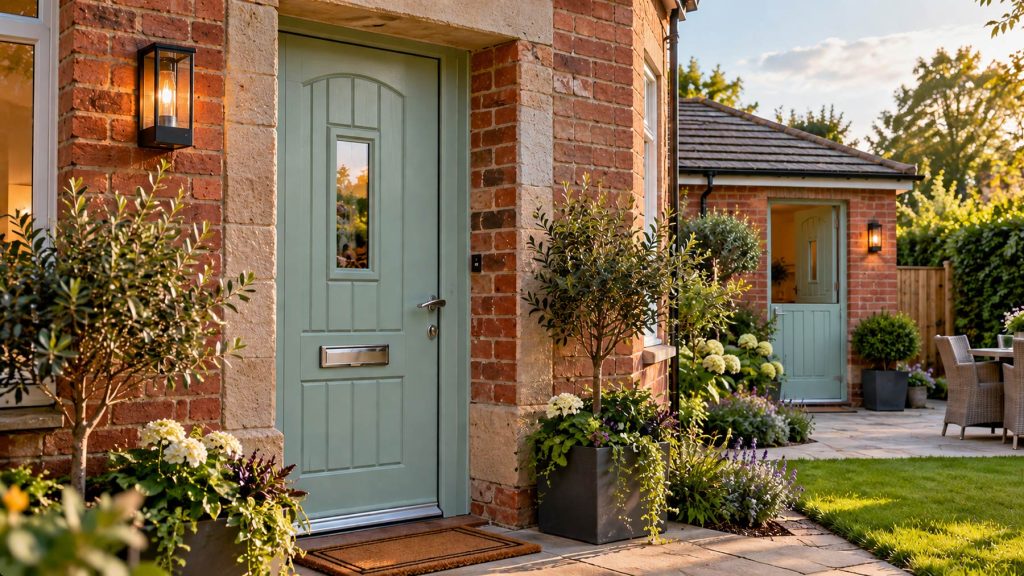
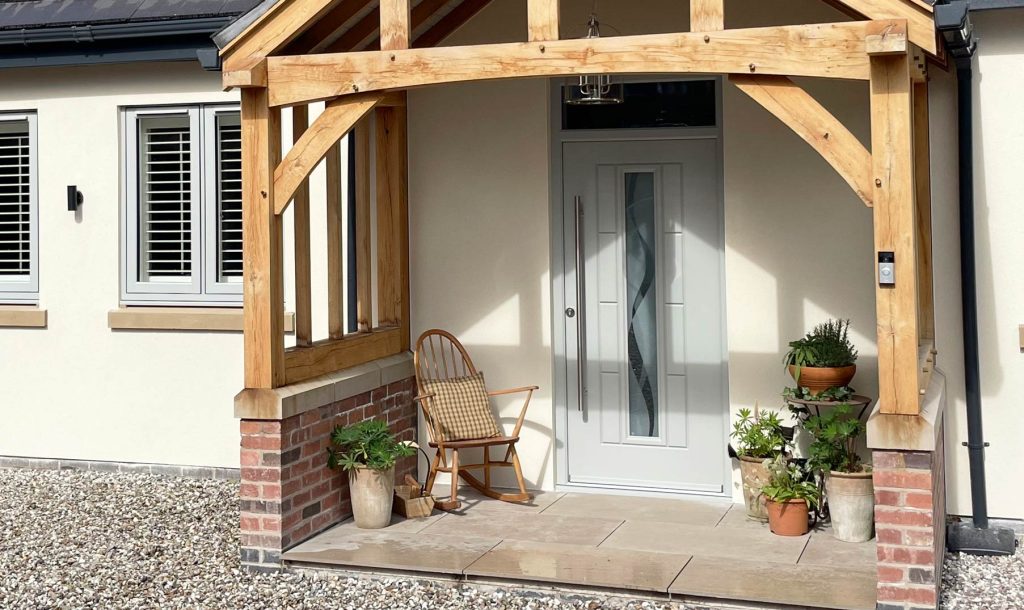
- Composite rear doors: Strong thermal performance and security for everyday access. Learn more about Composite Doors.
In some layouts, sliding doors may actually provide better uninterrupted views and improved thermal consistency due to fewer moving sections.

Are Bi-Fold Doors worth it?
The answer depends on your priorities.
If your goal is to open up an extension completely in summer and create a high-impact visual feature, bi-fold doors can absolutely be worth the investment.
However, if:
- You want uninterrupted glass views
- You’re working with a tighter budget
- Or energy efficiency is your primary concern
- …then sliding or French doors may be more practical.
The key is choosing the right system for your home’s layout, budget and long-term comfort.
Conclusion
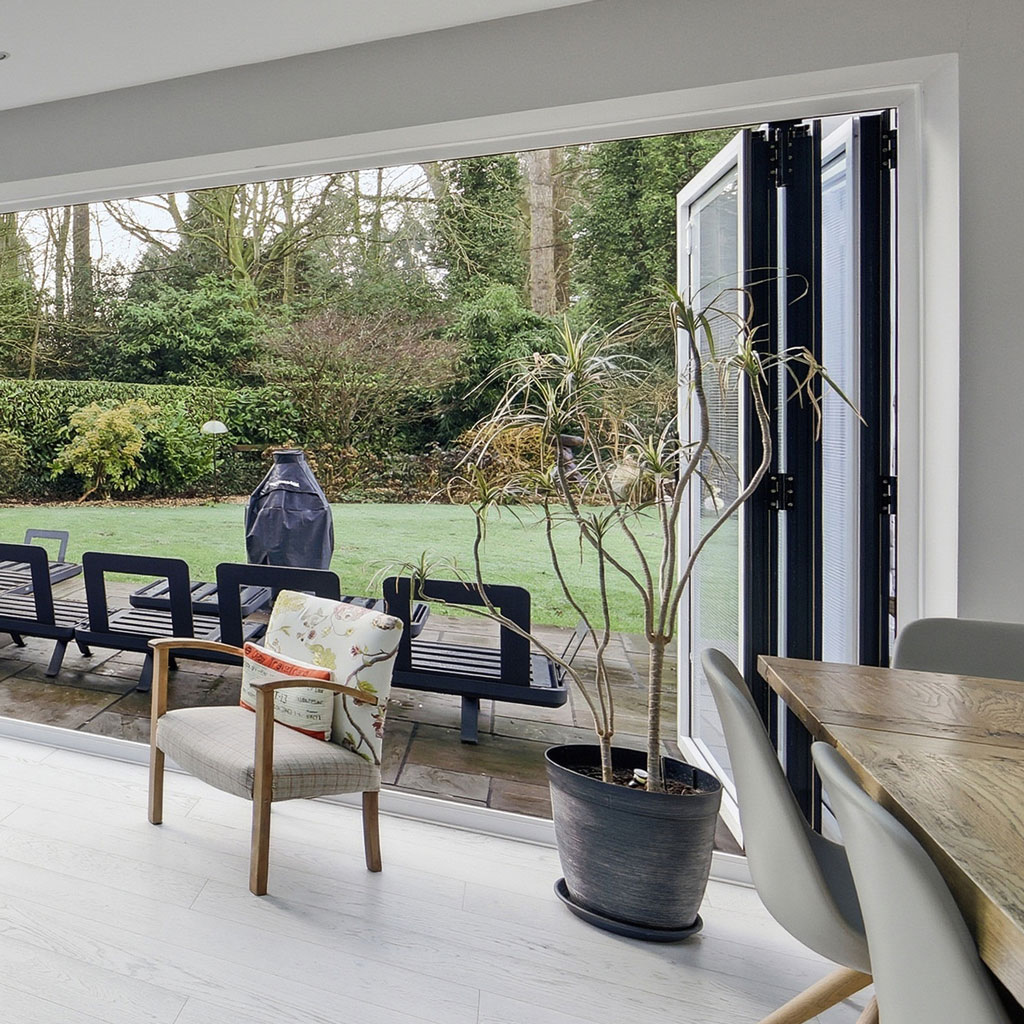
Bi-fold doors offer impressive flexibility and modern style, but they aren’t automatically the best solution for every property.
Understanding the pros, cons and alternatives ensures you make a confident, informed decision. Whether you choose bi-fold, sliding or French doors, focusing on quality materials, strong U-values and professional installation will deliver the best results.
If you’re considering upgrading your doors, exploring all available systems will help you find the perfect balance between design, performance and value.