

How Window Energy Ratings Work — and Why They Matter
When upgrading your windows, energy efficiency is one of the most important factors to consider. But what do all those window energy ratings actually mean? Understanding them can help you choose glazing that keeps your home warmer, lowers your bills, and reduces your carbon footprint — all while improving comfort.

What Are Window Energy Ratings?
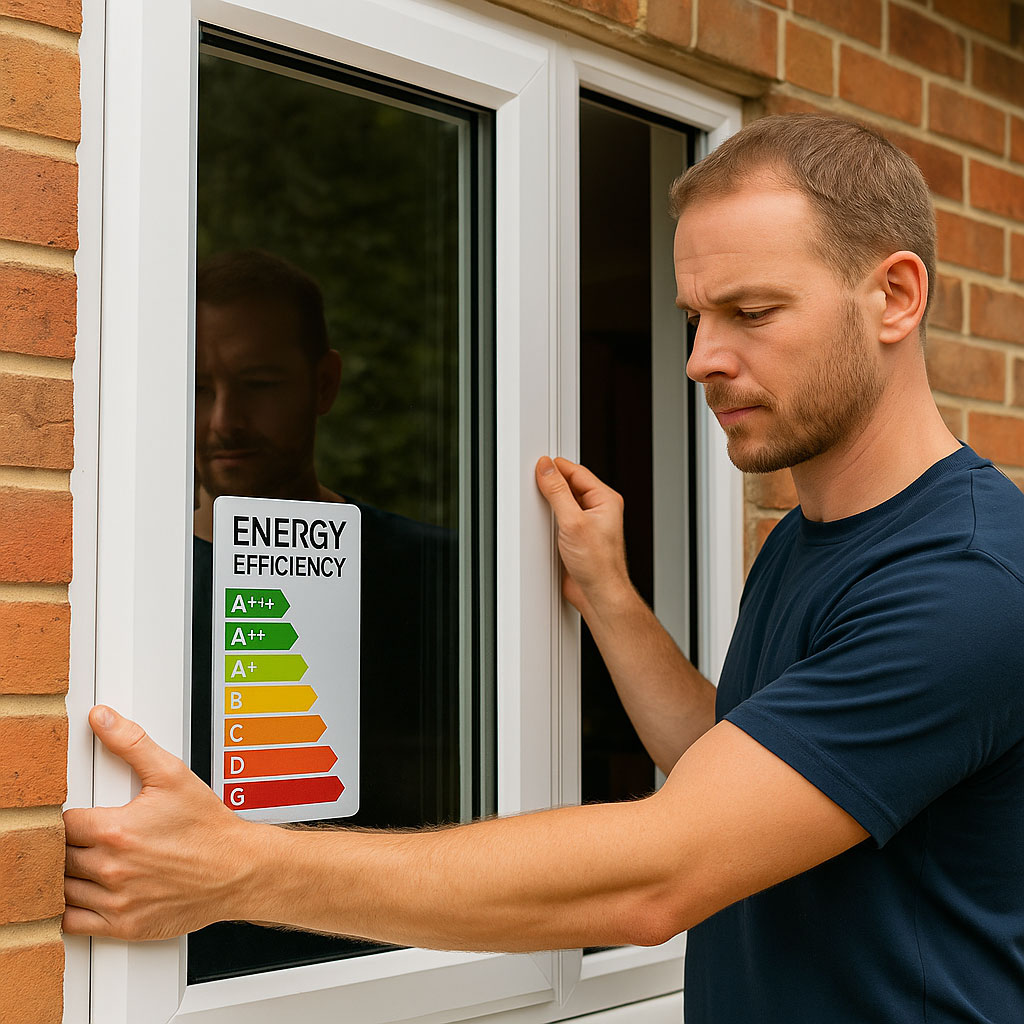
Window energy ratings (often shown as a coloured A++ to E label) are designed to show how efficiently a window performs. They take into account how well a window prevents heat loss, blocks drafts, and makes use of free solar heat from the sun.
The higher the rating, the more energy-efficient the window. A++ rated windows are the most efficient, helping to minimise heat loss and maximise savings on energy bills.
What Factors Determine a Window’s Energy Rating?
- U-value: Measures how well a window prevents heat from escaping. Lower U-values mean better insulation.
- Solar gain (G-value): Indicates how much free heat from sunlight passes through the glass — higher values can help reduce heating needs in winter.
- Air leakage: Shows how airtight the window is. The lower the air leakage, the fewer draughts you’ll feel.
Together, these factors create an overall energy efficiency score, shown on the official rating label from bodies such as the BFRC (British Fenestration Rating Council).

Why Energy Ratings Matter for Your Home
- Lower energy bills: Energy-efficient windows reduce heat loss, meaning your home stays warmer with less heating required.
- Improved comfort: No more cold spots or draughts near your windows — just consistent, cosy warmth all year round.
- Reduced condensation: Modern double and triple glazing helps maintain a consistent internal temperature, lowering the chance of moisture build-up.
- Smaller carbon footprint: Using less energy helps reduce your household’s environmental impact.

Double or Triple Glazing — What’s Best?
For most UK homes, double glazing offers an excellent balance of performance and value. However, for those looking for the ultimate in thermal efficiency, triple glazing can deliver even lower U-values and enhanced comfort.
Other Factors to Consider
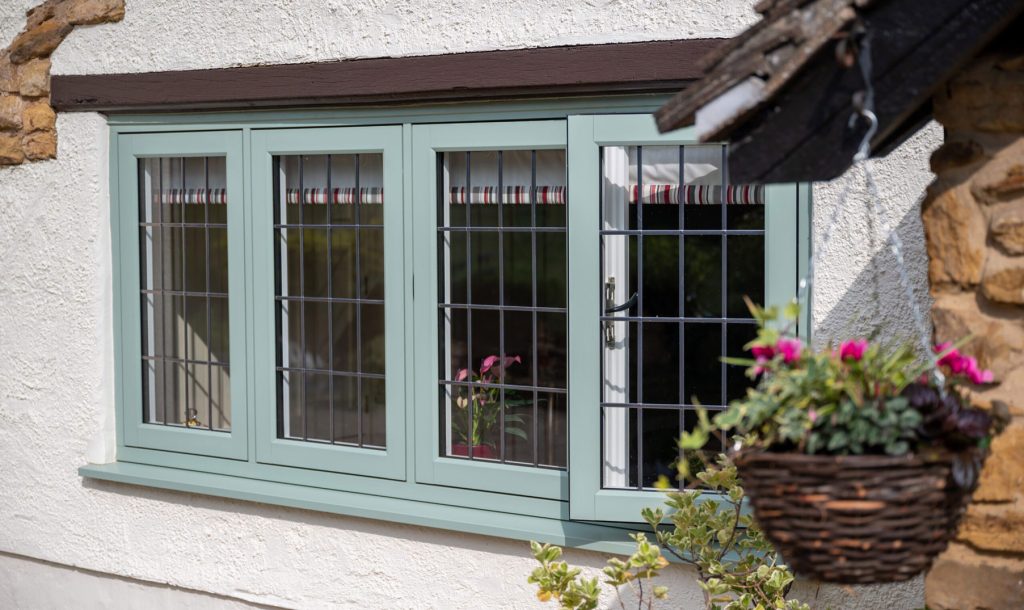
Energy efficiency isn’t just about the glass — your window frames also play a big part. Modern uPVC frames offer excellent insulation and low maintenance, while aluminium windows provide strength and style with improved thermal breaks.
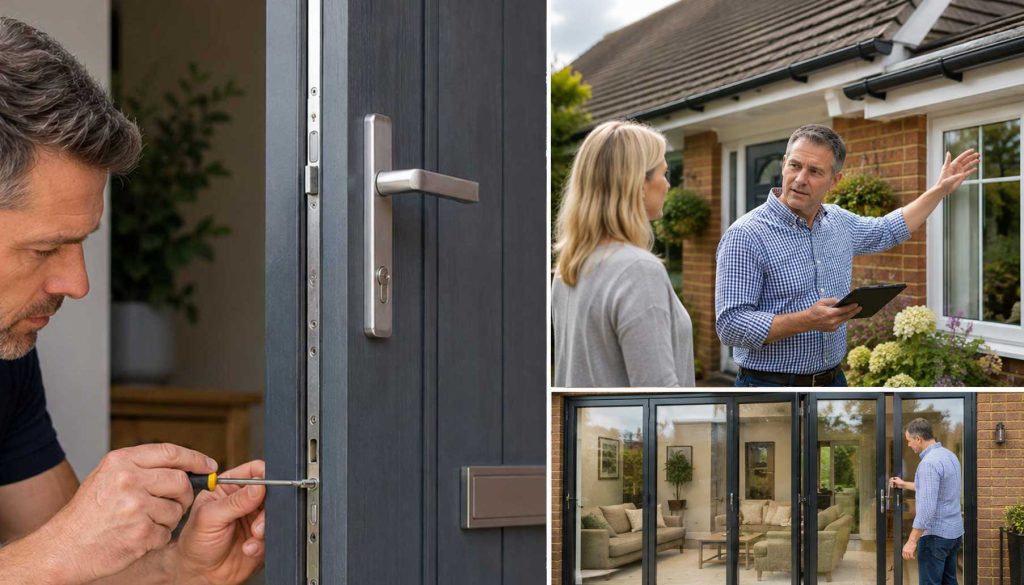
And don’t forget installation quality — even the best-rated windows won’t perform well if not properly fitted. Always use a trusted, FENSA-registered installer to ensure your windows meet building regulations and achieve their full energy-saving potential.

Make the Smart Choice for Your Home
Understanding window energy ratings helps you make confident decisions about your home improvement project. Whether you’re replacing old single glazing or upgrading to the latest energy-efficient designs, you’ll enjoy a warmer, quieter, and more comfortable home — with lower energy costs too.
Discover more helpful advice in our Advice & Guides section, where you’ll find expert tips on windows, doors, and home improvements across Cheshire.