

EPDM vs Felt Roof
If you have a flat roof on your home, garage, or extension, choosing the right roofing material is essential for long-term performance. Many older flat roofs were installed using traditional felt, but modern systems like EPDM rubber roofing are now becoming the preferred option.
In this guide, we explain the key differences between EPDM and felt roofing — and why more homeowners are upgrading to a longer-lasting, low-maintenance solution.
What is EPDM Roofing?
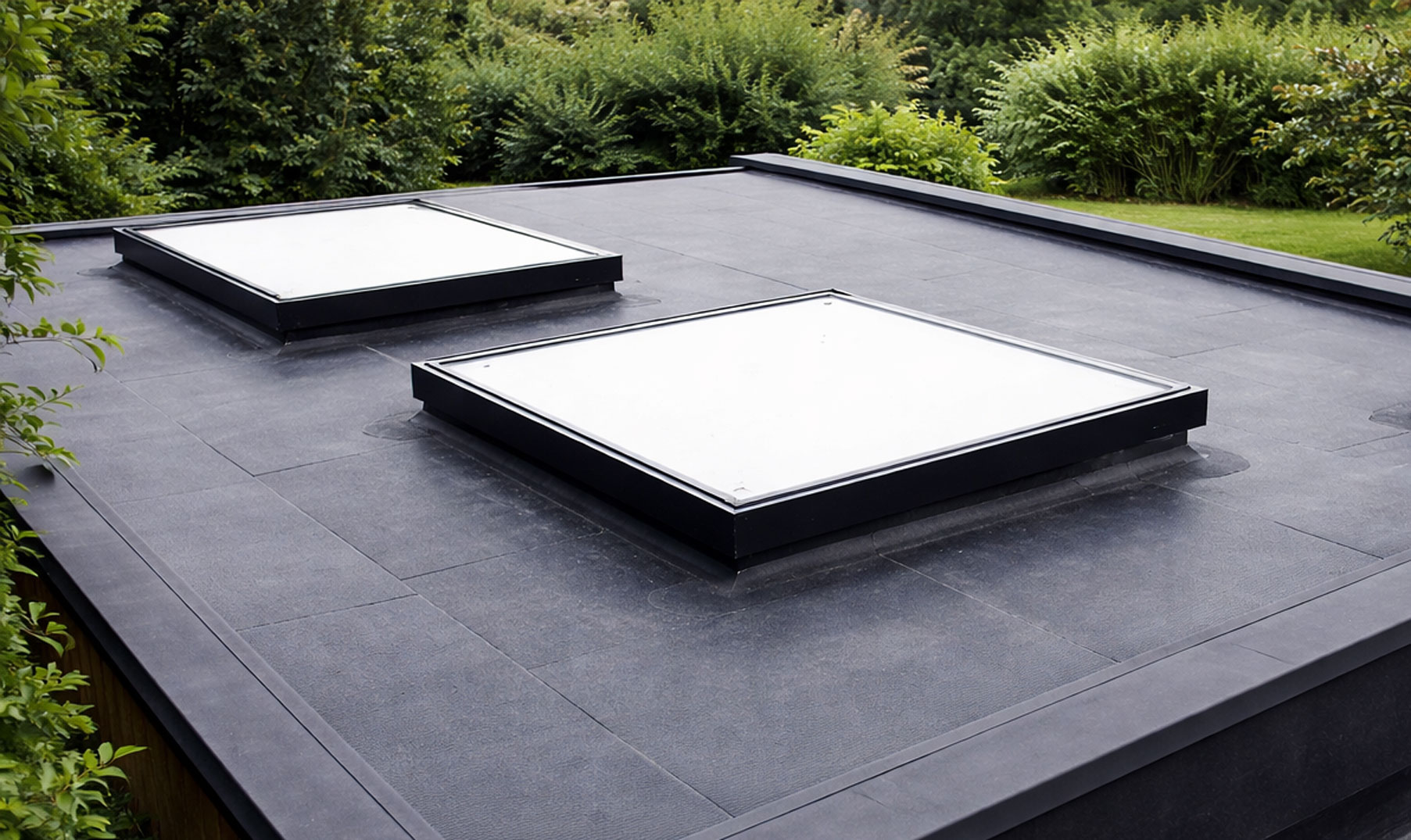
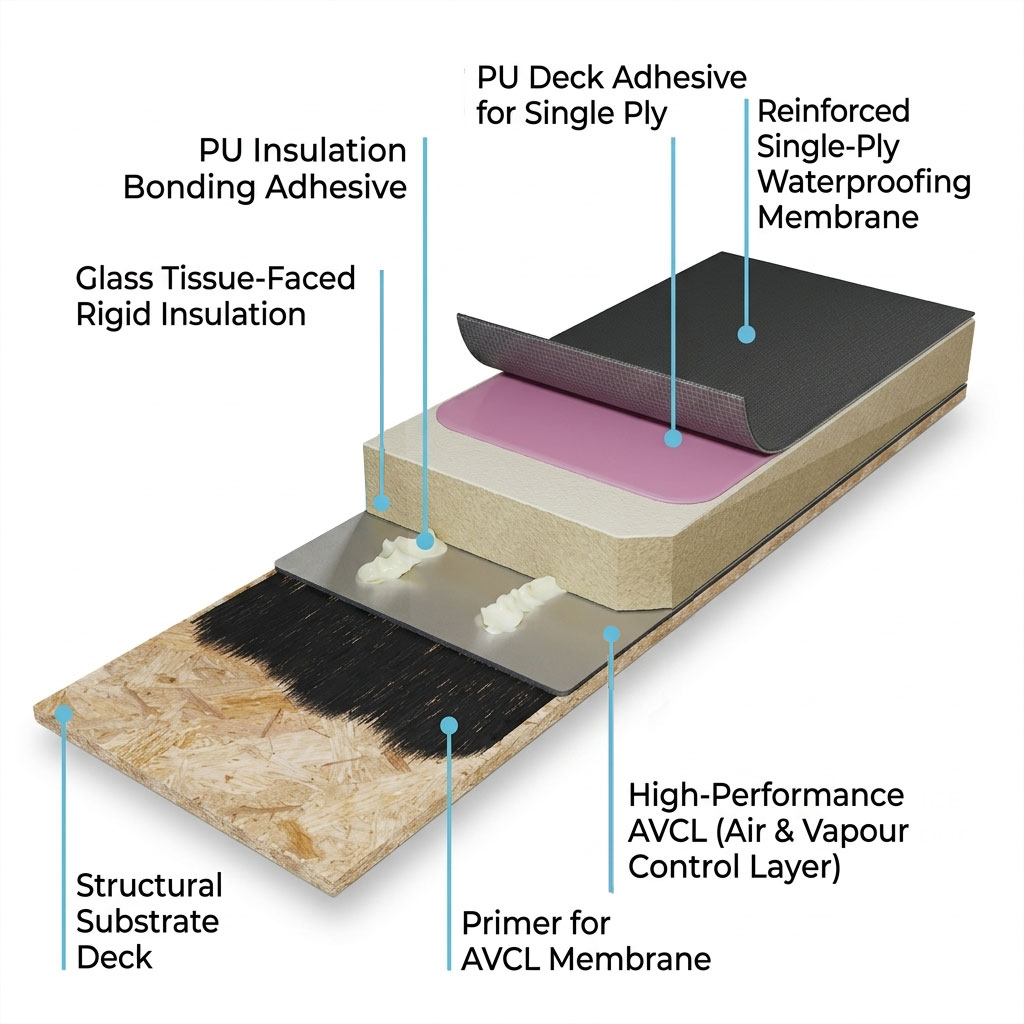
EPDM (Ethylene Propylene Diene Monomer) is a high-performance rubber roofing membrane designed specifically for flat and low-pitch roofs. It’s installed in large sheets, creating a seamless, watertight finish that is highly resistant to weather and wear.
Because of its flexibility and durability, EPDM is widely used on modern extensions, garage roofs, and refurbishment projects where reliability is essential.

What is traditional Felt Roofing?
Felt roofing has been used for decades and typically involves layers of bitumen-based material applied in sections. While it has been a common solution in the past, felt roofs are more prone to wear over time due to joints, seams, and exposure to the elements.
This often leads to ongoing maintenance and eventual replacement much sooner than newer systems.

Key advantages of EPDM Roofing
- Long lifespan: EPDM roofs can last 35+ years, significantly outlasting traditional felt systems.
- Seamless protection: Installed in large sheets, reducing weak points where leaks can occur.
- Weather resistance: Performs in extreme temperatures and harsh British weather conditions.
- Low maintenance: Requires minimal upkeep compared to felt roofs.
- Flexible material: Expands and contracts without cracking or splitting.
If you’re already exploring ways to improve your home’s performance, you might also find our guide on why your roofline matters helpful for understanding overall roof protection.

Common problems with Felt Roofing
While felt roofing can still be found on many properties, it often develops issues over time — especially on older installations.
- Cracking and splitting: Felt can dry out and deteriorate with age.
- Leaks at joints: Seams are common weak points for water ingress.
- Poor UV resistance: Sun exposure can accelerate wear.
- Pooling water issues: Standing water increases the risk of failure.
- Shorter lifespan: Many felt roofs need replacing much sooner.
These issues often lead to repeated repairs, which can quickly become costly over time.

Why more Homeowners are choosing EPDM
EPDM offers a modern solution to many of the problems associated with felt roofing. Its seamless design and advanced materials provide a much higher level of protection and longevity.
This makes it particularly popular for:
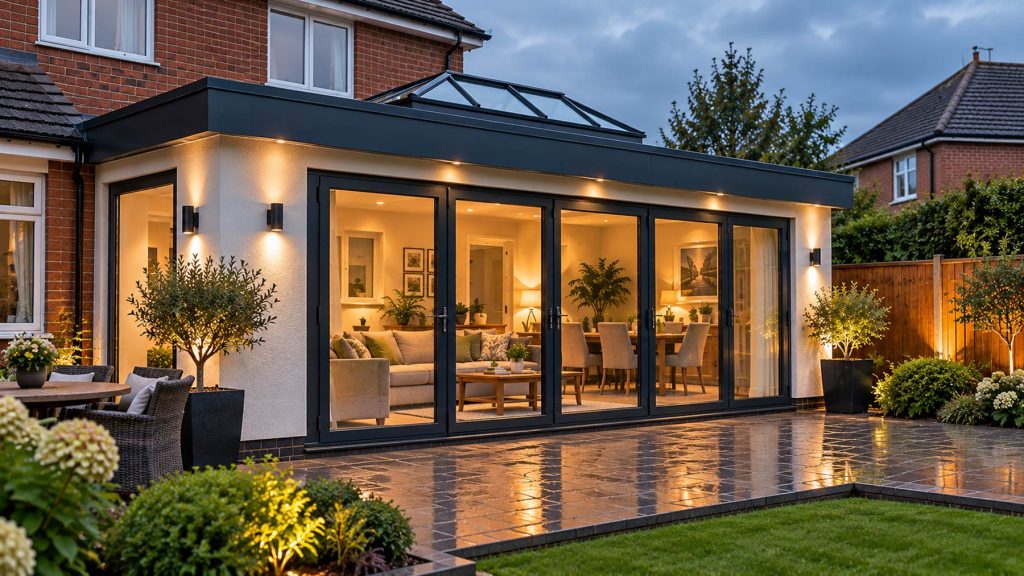
- Home extensions: Ideal for modern flat roof designs.
- Garage roof upgrades: A durable replacement for ageing felt roofs.
- Garden rooms: Reliable all-year-round protection.
- Roof refurbishments: Works well alongside existing structures.
If you’re planning a new space, our guide on what to expect when building a new living space can help you prepare for the process.

Performance in British Weather
One of the biggest advantages of EPDM is its ability to handle unpredictable weather conditions. From heavy rain to freezing temperatures, it remains stable and effective all year round.
According to industry guidance, EPDM membranes can perform in temperatures ranging from -45°C to +80°C, making them one of the most resilient flat roofing materials available today.
For more technical insight into flat roofing materials, you can also explore this external guide on EPDM rubber roofing systems.


Is EPDM the right choice for your Roof?
If your current felt roof is showing signs of wear — or you’re planning a new extension — EPDM is a smart, long-term investment. It offers better durability, fewer maintenance issues, and a cleaner, more modern finish.
To learn more about how EPDM can be used in your project, visit our dedicated EPDM roofing page or speak to our team for expert advice.
Choosing the right roofing system now can save you time, money, and stress in the future — making EPDM a reliable upgrade for modern homes.