
When homeowners think about improving energy efficiency, windows and insulation often get most of the attention. But your doors play a major role in heat retention, comfort and energy bills too.
If you’ve ever stood near your patio or back door in winter and felt a cold draught, that’s a sign your current door may not be performing as well as it should. In this guide, we’ll explain what U-values are, how thermal performance works, and how to tell whether it’s time for an upgrade.

What Is a U-Value?
The U-value measures how well a door prevents heat from escaping.
Put simply:
- The lower the U-value, the better the insulation.
- The higher the U-value, the more heat escapes.
U-values are measured in W/m²K (watts per square metre per kelvin). While the technical definition sounds complex, what really matters is this: a lower number means a warmer, more energy-efficient home.
Under current UK Building Regulations, replacement doors typically need to achieve a U-value of 1.8 W/m²K or lower.
Why Door Thermal Performance Matters
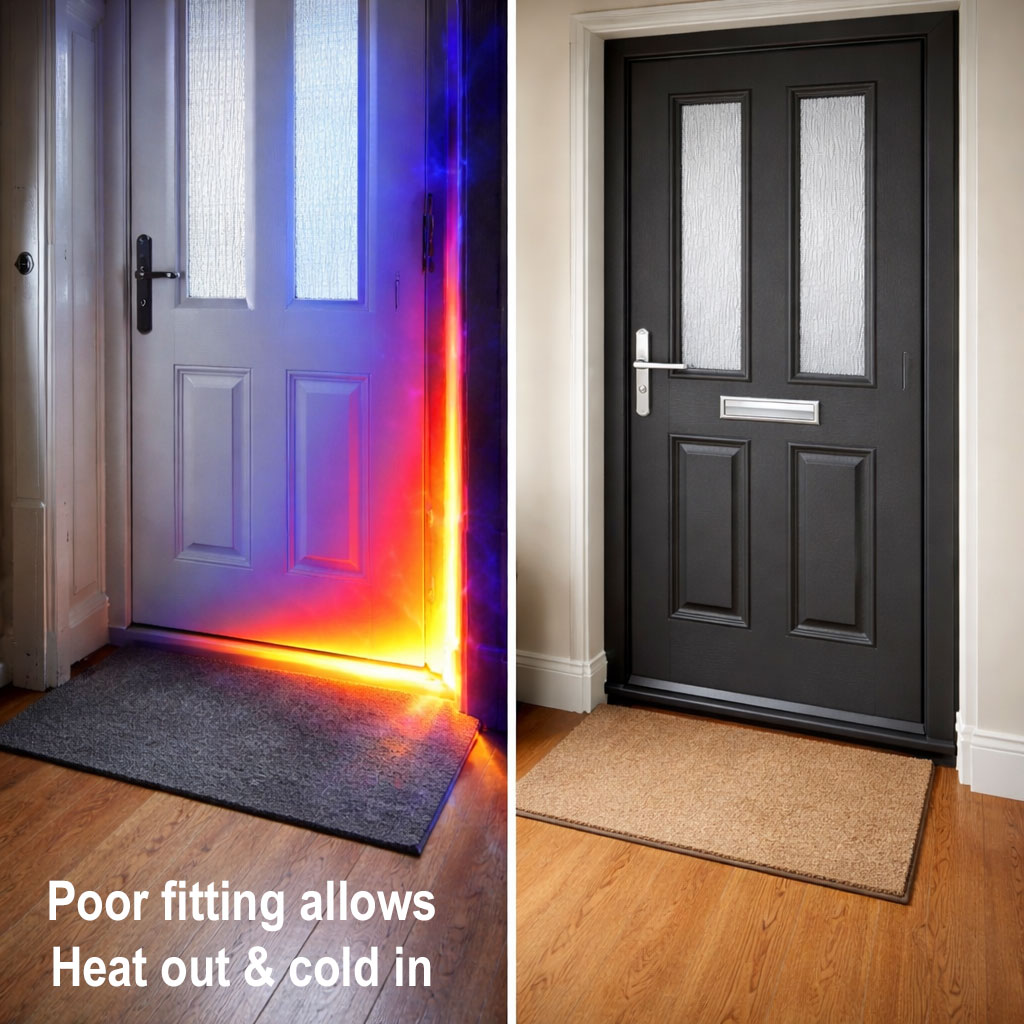
Your doors are one of the largest openings in your home. Poor thermal performance can lead to:
- Heat Loss In Winter: Warm air escapes, forcing your heating system to work harder.
- Cold Spots & Draughts: Rooms near patio or back doors feel noticeably cooler.
- Higher Energy Bills: Inefficient doors increase overall heating costs.
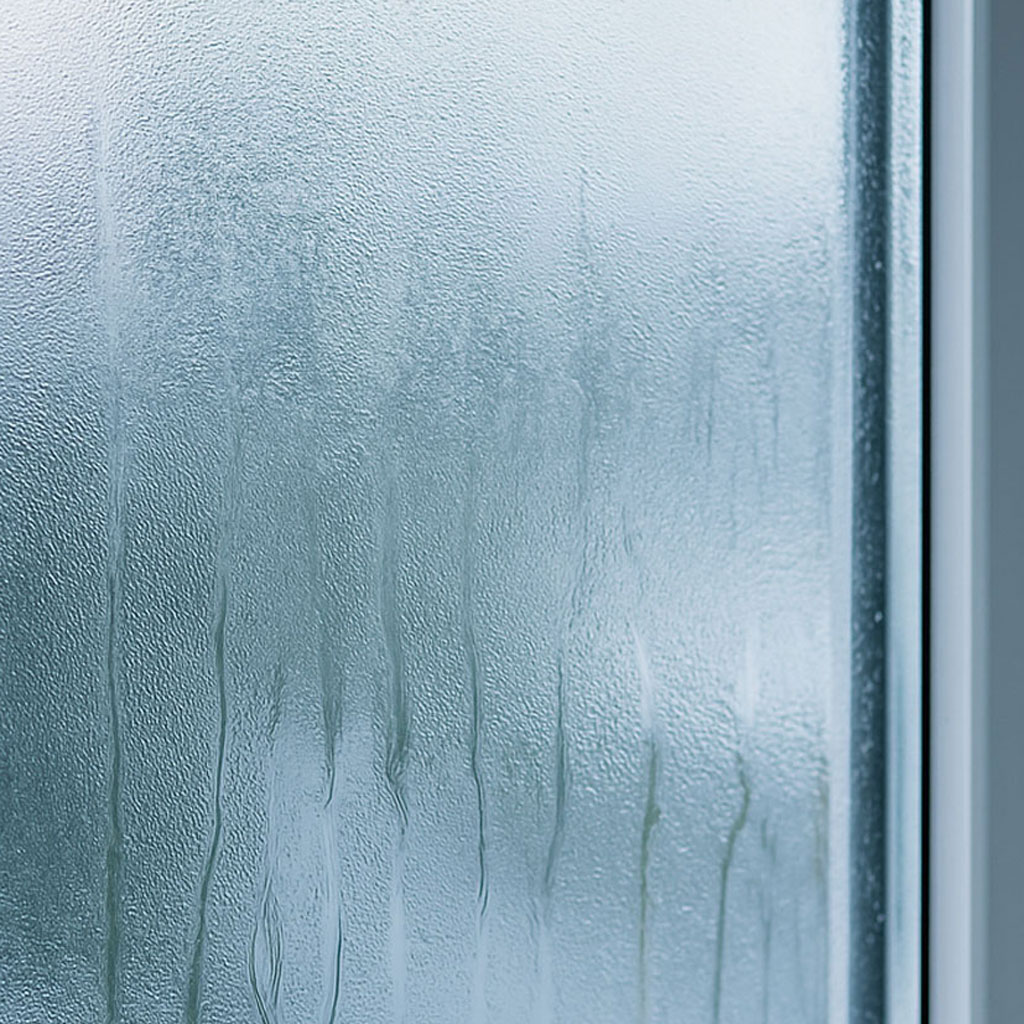
- Condensation Issues: Poor glazing and frames can lead to moisture build-up.
Modern doors are designed to eliminate these issues through better glazing, insulated cores and improved sealing systems.

What Affects A Door’s U-Value?
Not all doors are built the same. Several factors influence thermal performance:
- Glazing Type: Double or triple glazing with argon gas significantly improves insulation.
- Frame Material: uPVC and composite frames reduce heat transfer better than old timber or aluminium without thermal breaks.
- Insulated Cores: Composite doors feature solid insulated cores for superior efficiency.
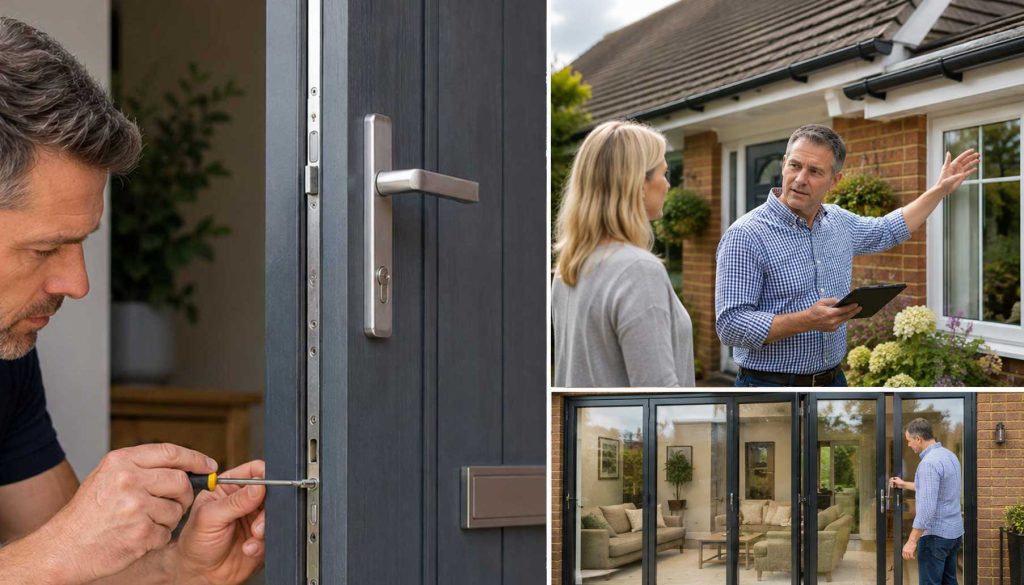
- Seals & Weather Gaskets: High-quality perimeter seals prevent draughts and air leakage.
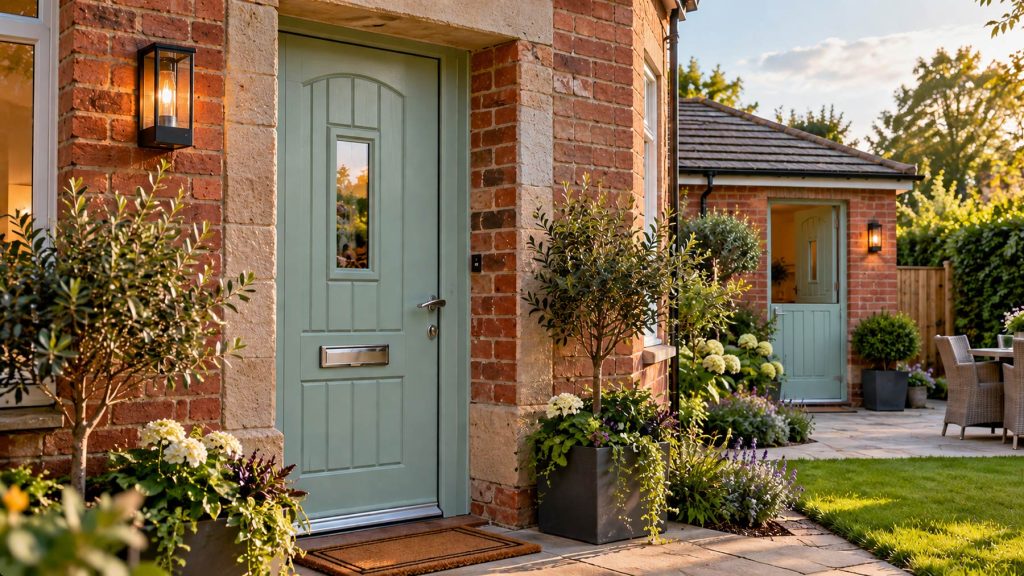
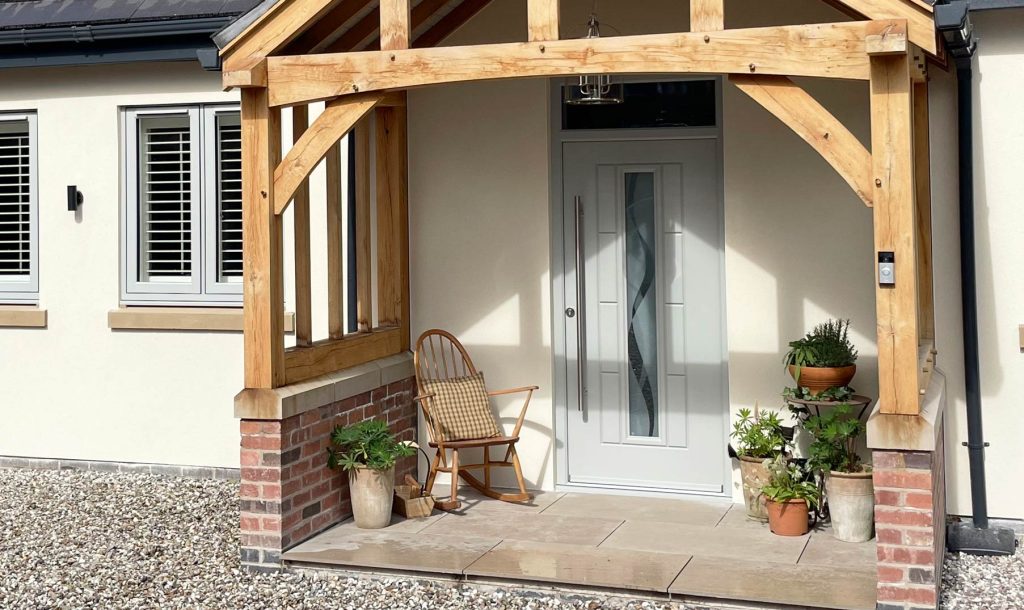
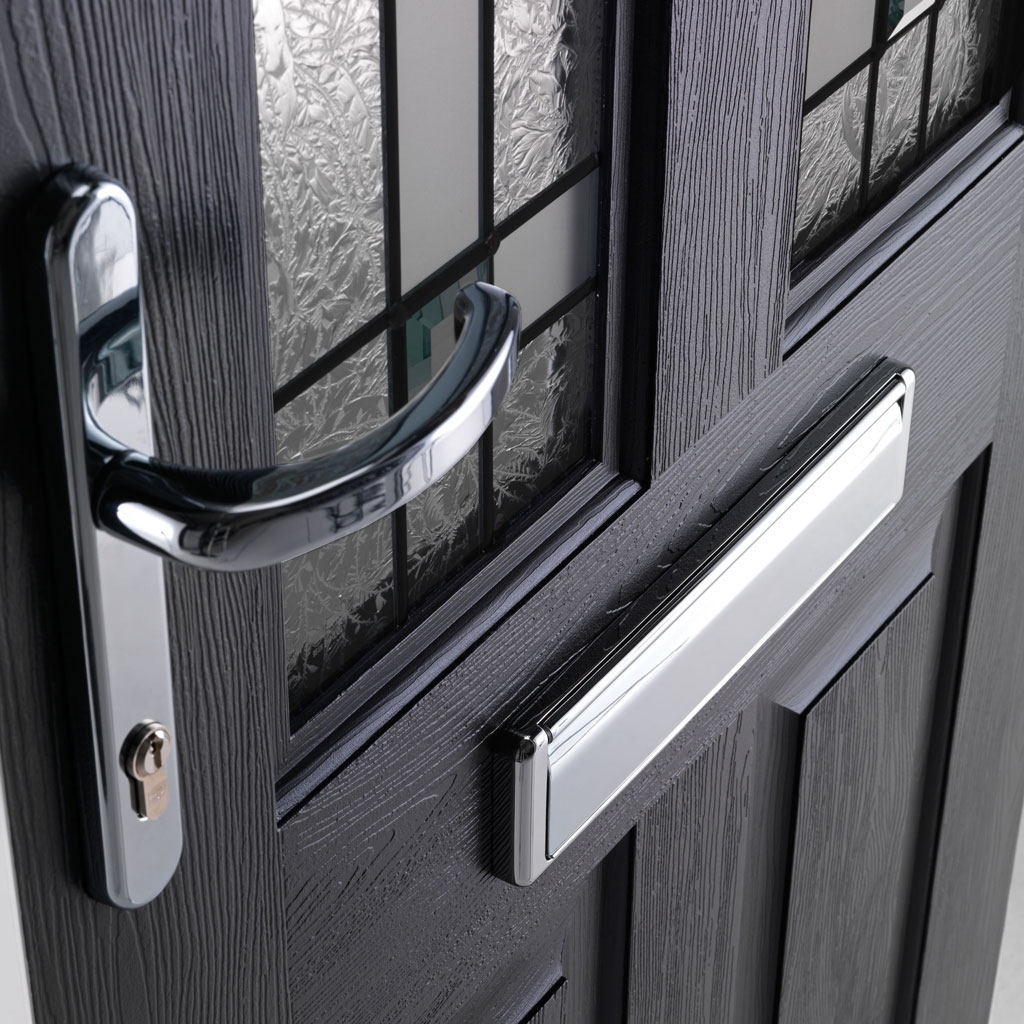
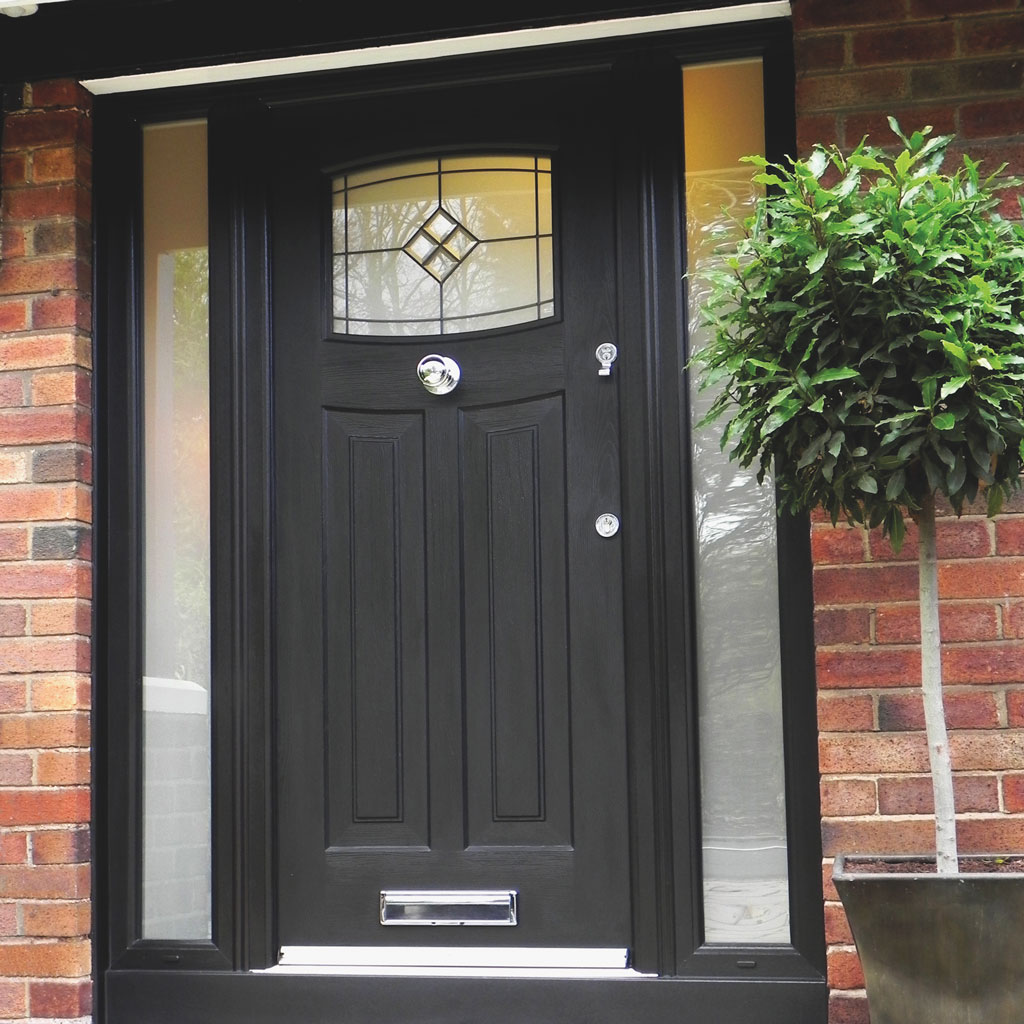
For example, modern composite doors are specifically engineered for excellent thermal retention, making them one of the most energy-efficient entrance door options available.

Are Patio Doors Energy Efficient?
Many homeowners worry that larger glazed areas mean more heat loss. While that was true decades ago, today’s systems are very different.
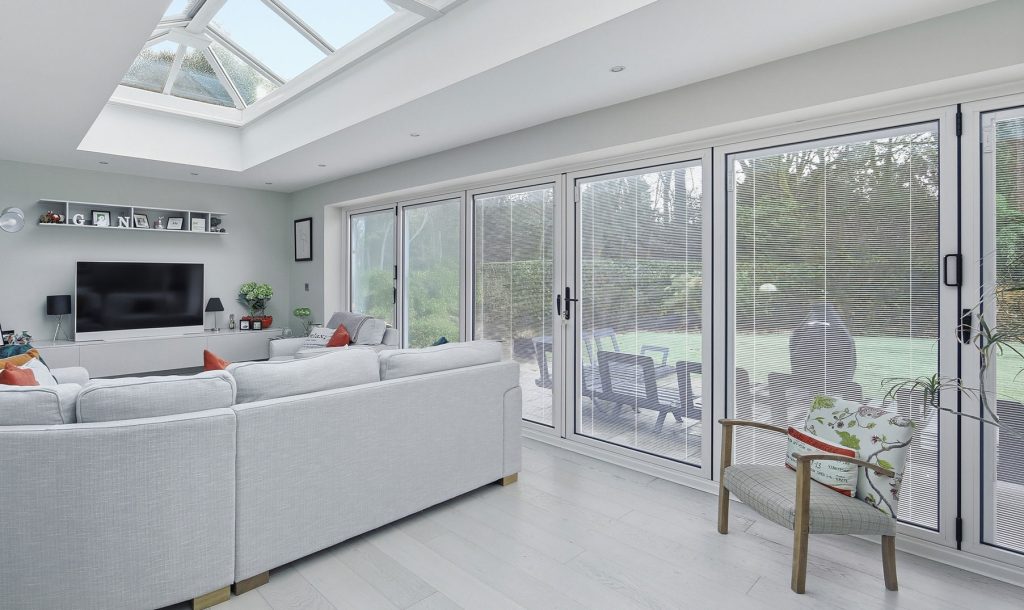
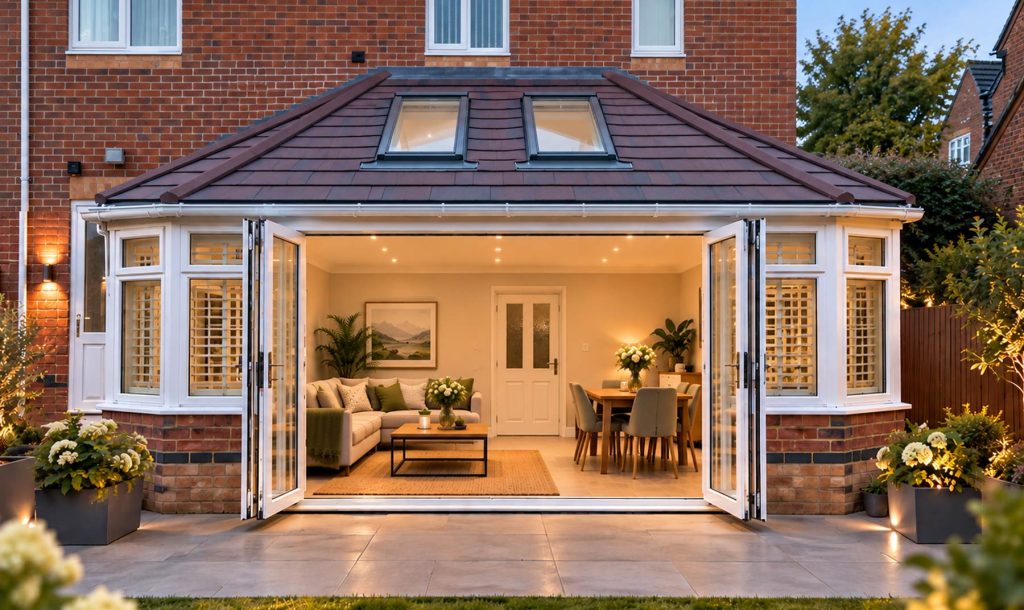
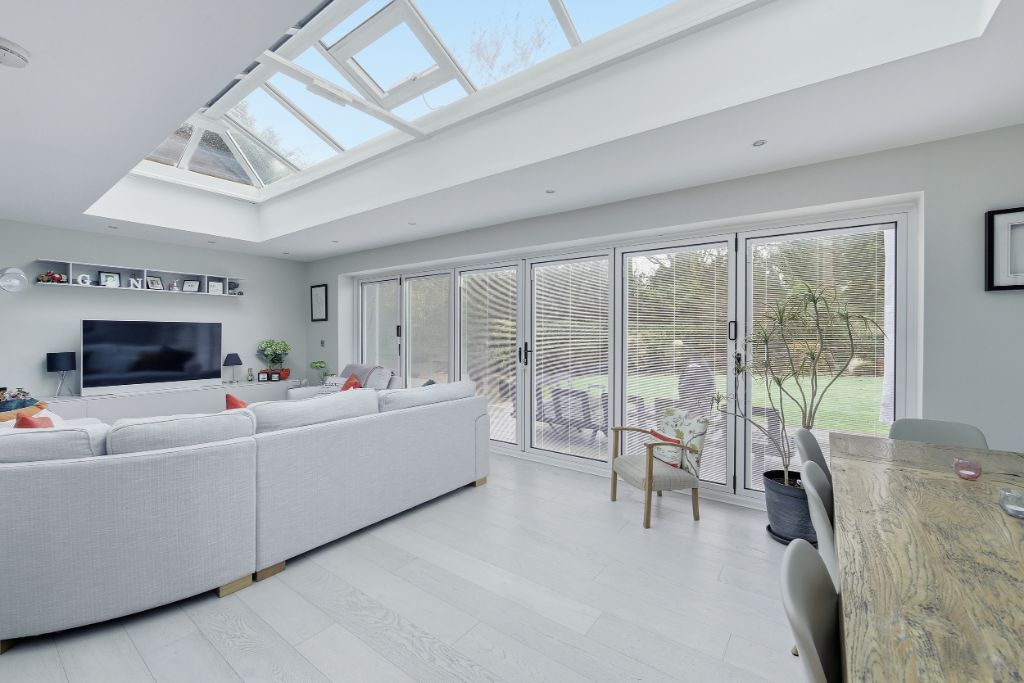
Modern patio doors use advanced double glazing, thermal spacers and multi-chambered frames to maintain impressive insulation levels.
If you’re comparing styles, it’s worth understanding the performance differences between hinged, French, sliding and bi-fold doors before making a decision.
Signs Your Door Isn’t Energy Efficient
Not sure whether your current door is underperforming? Look out for these warning signs:
- You Feel Draughts: Air movement around the frame or threshold.
- Cold Internal Glass: The glass feels very cold to the touch in winter.
- Visible Gaps Or Warping: Older frames can distort over time.
- Rising Heating Costs: No clear explanation for increased energy bills.
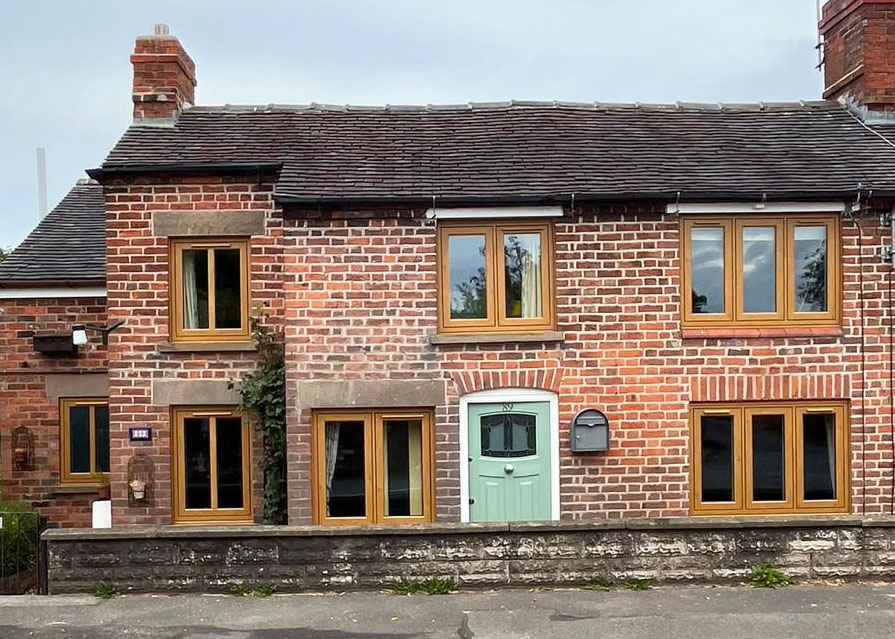
If your door is over 15–20 years old, there’s a strong chance modern replacements would significantly outperform it.

The Bigger Picture: Whole Home Efficiency
Upgrading your door doesn’t just improve comfort — it contributes to your home’s overall energy rating. Combined with efficient glazing and roofing systems, you can create a noticeably warmer space.
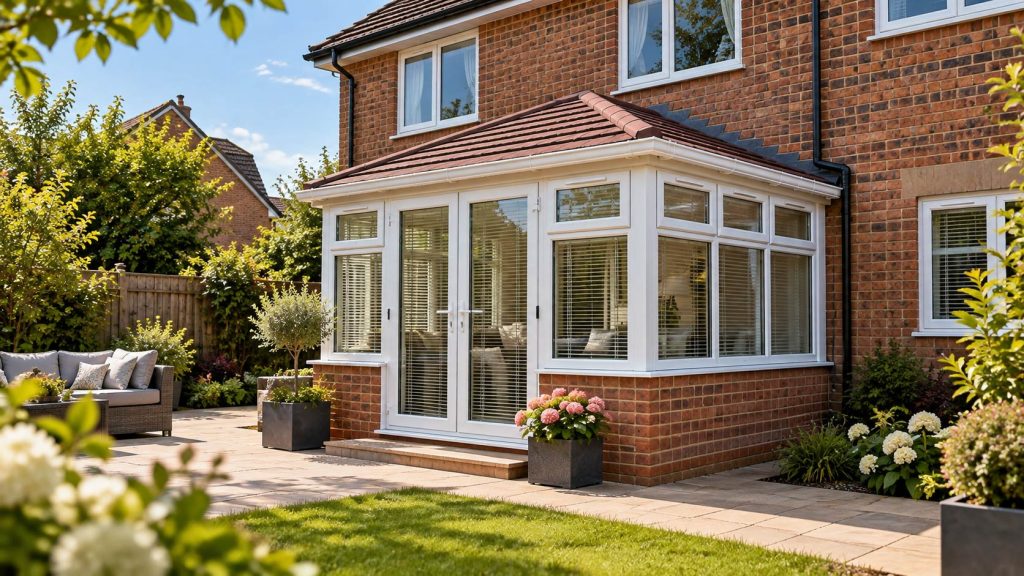
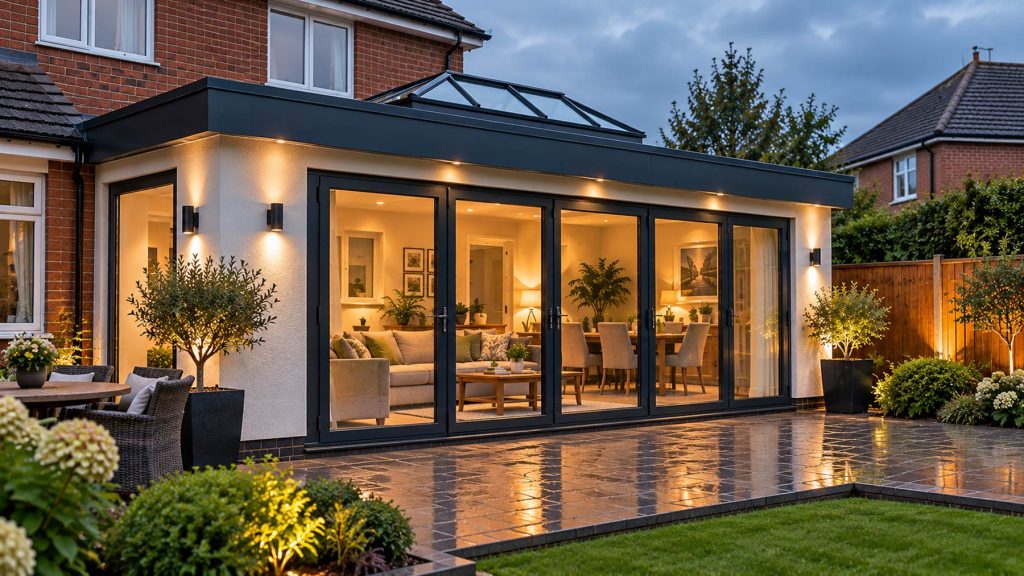
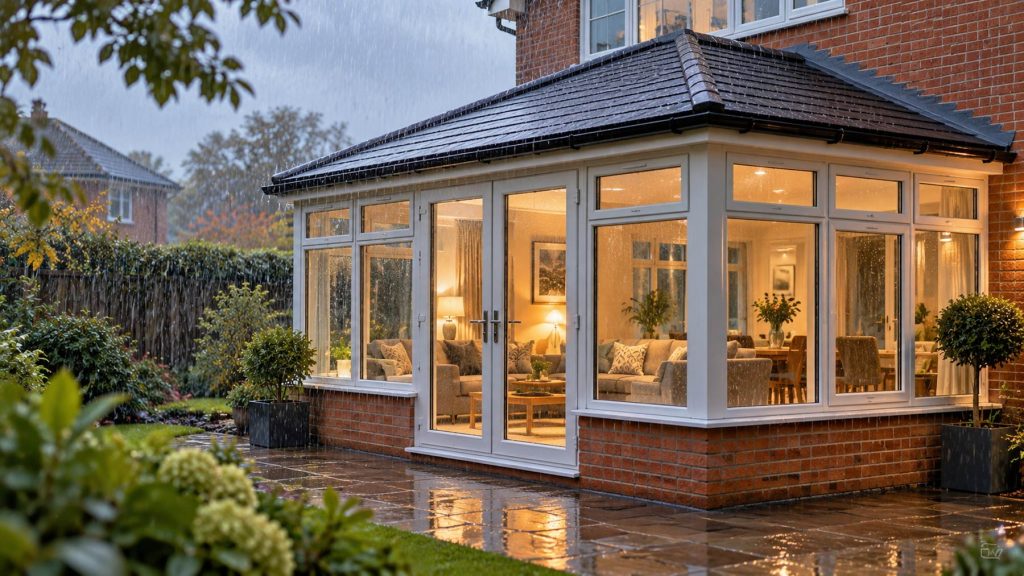
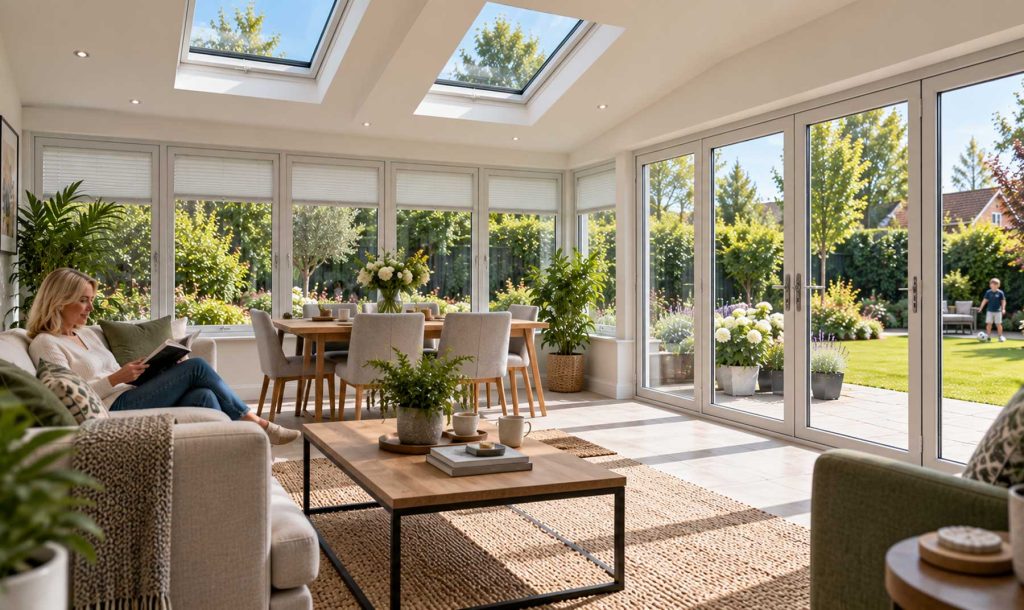
For example, if you have a conservatory or extension, improving both door and roof insulation can transform usability year-round. Learn more about improving thermal comfort in extensions via the Energy Saving Trust (external guidance):
Energy Saving Trust
You can also explore our range of conservatory roof replacements if you’re looking to upgrade older glazed spaces.

Is It Time To Upgrade?
- If your current door:
- Feels cold in winter
- Shows signs of wear or warping
- Doesn’t meet modern Building Regulations
- Or simply looks outdated
…it may be time to consider a replacement.
Today’s energy-efficient doors combine thermal performance, security and design flexibility — helping you reduce heat loss without compromising on style.

Final Thoughts:
Understanding U-values doesn’t require technical expertise. The key takeaway is simple: lower U-value = better insulation.
An energy-efficient door keeps warmth inside, reduces draughts, lowers heating bills and improves comfort throughout the year. Whether you’re upgrading a front entrance, patio opening or extension access point, choosing a thermally efficient system is a smart long-term investment.
If you’d like advice tailored to your home, Cheshire Conservatories can help you compare options and choose the right solution for performance and style.