

Planning permission is one of the first questions homeowners ask when considering a new conservatory or extension. While many projects fall under permitted development, there are important rules, limits, and exceptions that can catch people out if they’re not checked early.
In this guide, we’ll explain when planning permission is required, when it isn’t, and what you should always confirm before starting work on your home.

What Is Planning Permission?
Planning permission is approval from your local authority that allows certain building works to go ahead. It exists to ensure developments are safe, appropriate for the area, and don’t negatively impact neighbours or the surrounding environment.
Fortunately, many conservatories and home extensions can be built under permitted development rights, meaning formal planning approval isn’t required — as long as specific criteria are met.
When Planning Permission Is NOT Usually Required
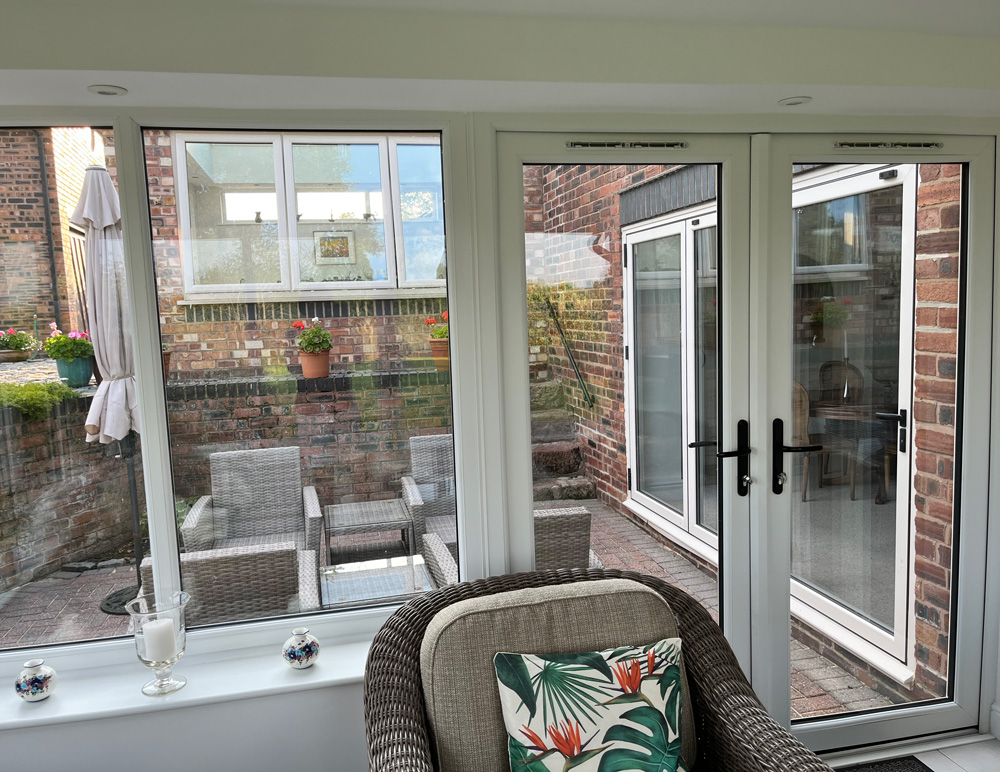
- Ground-floor conservatories: Often permitted when built to the rear and within size limits.
- Height restrictions met: Structures must usually stay below 4 metres for pitched roofs or 3 metres for flat roofs.
- Rear extensions only: Rear-facing builds are more likely to qualify than front-facing projects.
- Detached properties: These often benefit from more generous permitted development allowances.
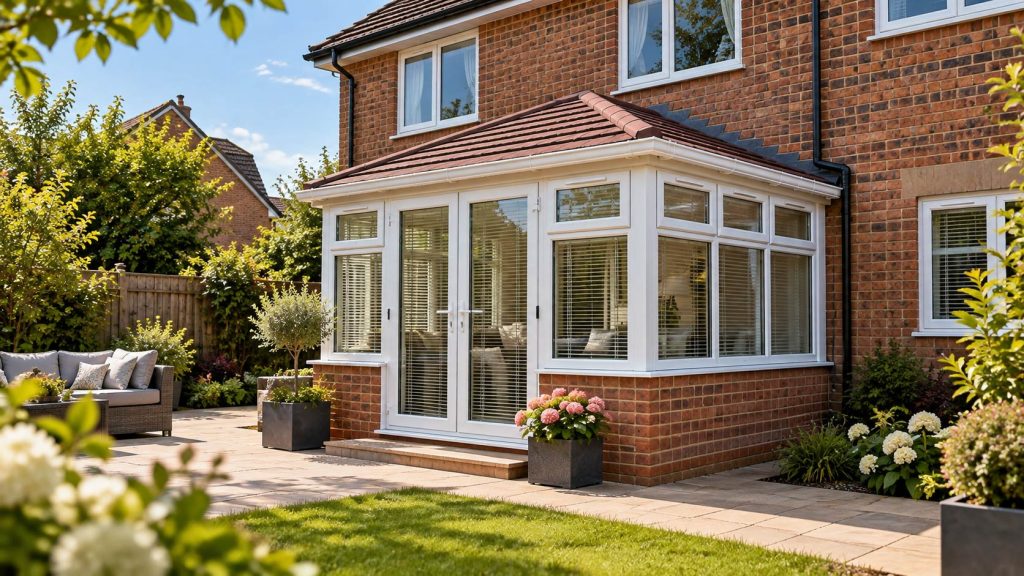
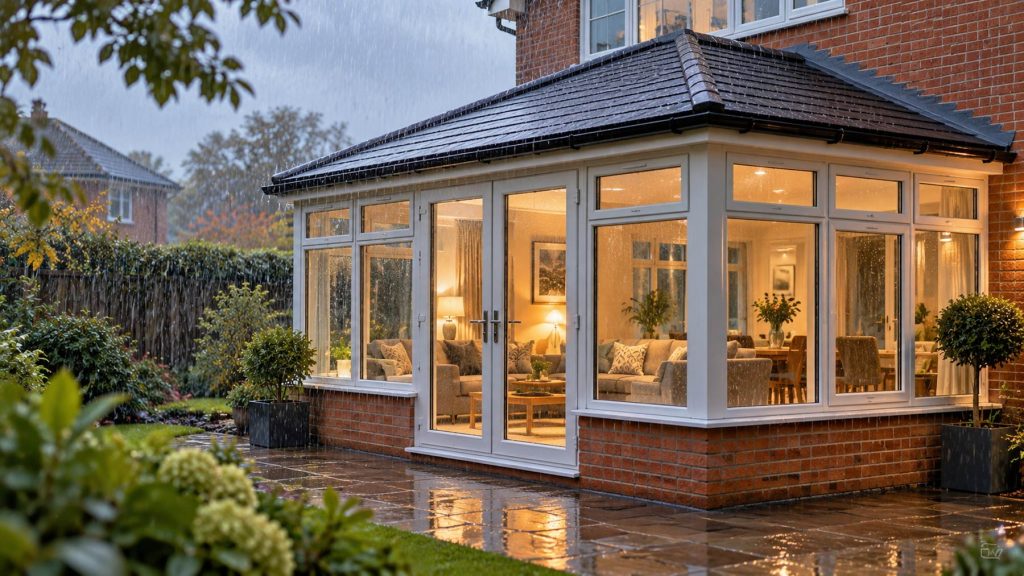
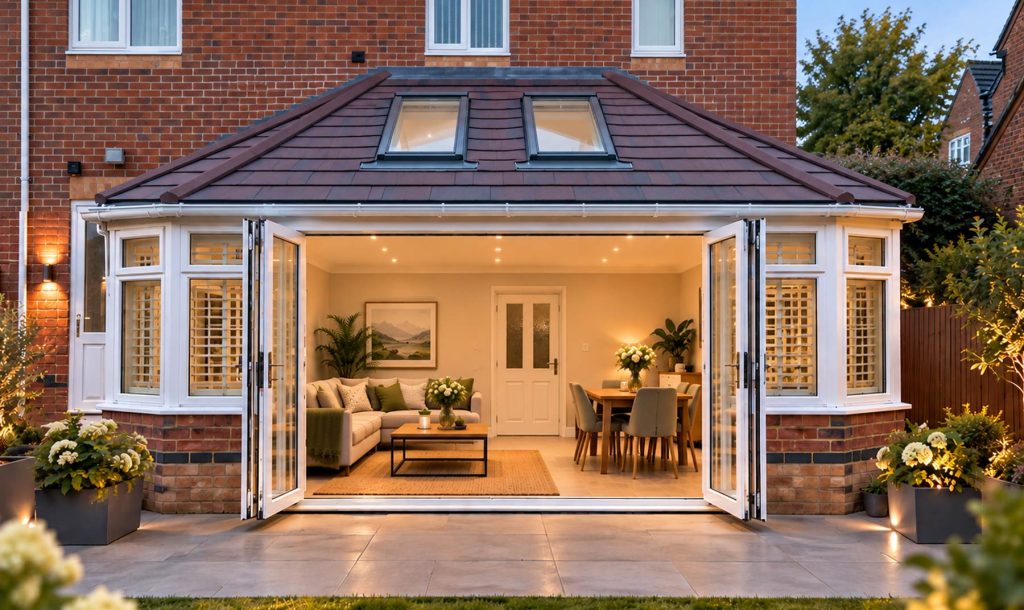
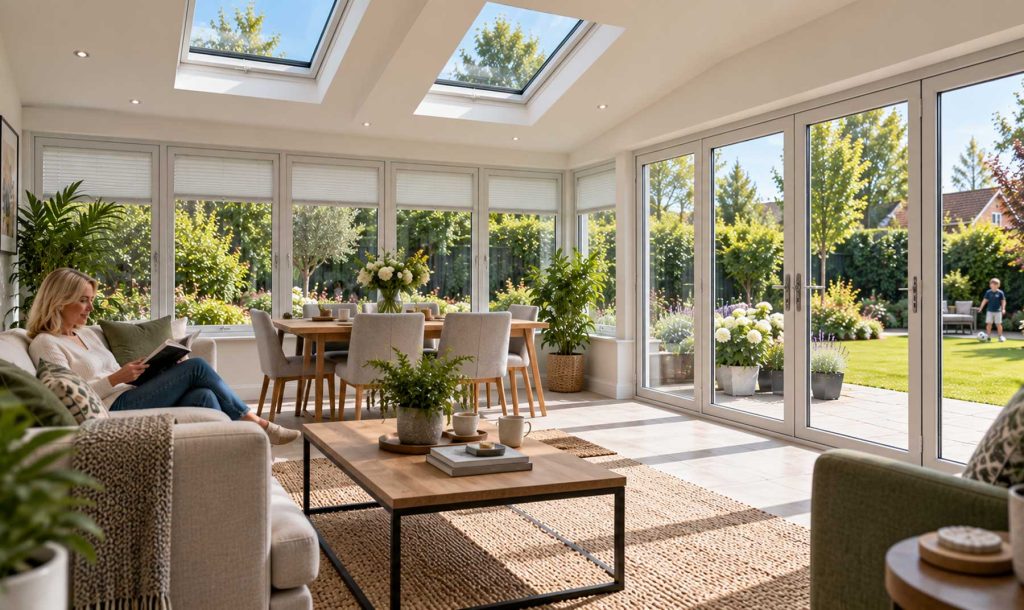
If you’re planning a new conservatory, exploring the different options available on our conservatories page can help you understand which designs are most likely to meet permitted development criteria.

When Planning Permission IS Required
- Listed buildings: Any work to a listed property requires formal consent.
- Conservation areas: Additional planning controls often apply.
- Exceeding size limits: Projects that go beyond permitted development allowances.
- Front-facing extensions: These almost always require planning permission.
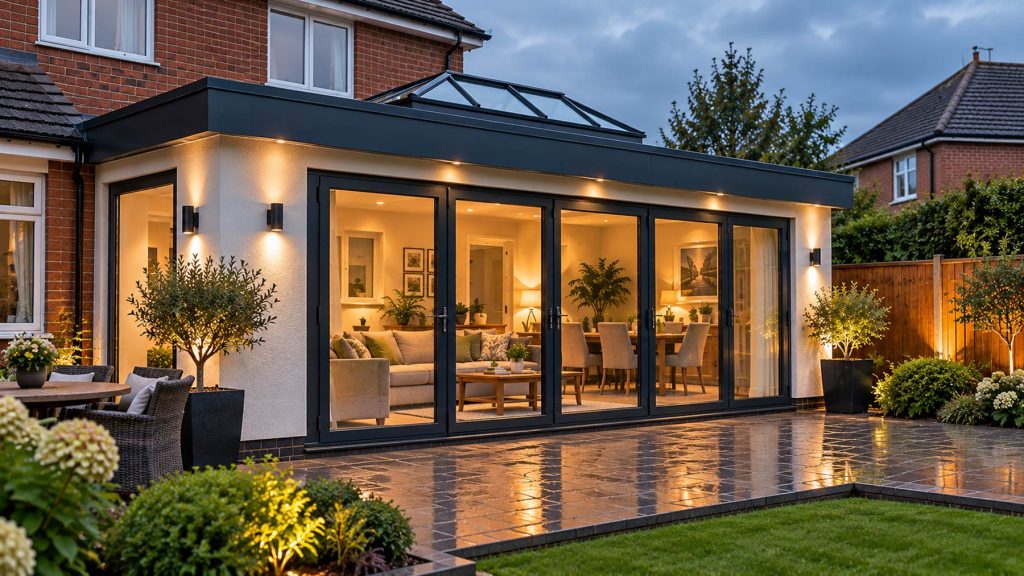
Extensions are generally subject to stricter planning rules than conservatories, particularly where they alter the footprint or appearance of the original home. You can learn more about your options on our extensions page.

Conservatory vs Extension: What’s the Difference?
While conservatories and extensions can look similar, they are treated differently under planning and building regulations.
- Construction method: Extensions are built as permanent living space.
- Thermal separation: Conservatories are often separated from the main house.
- Regulatory requirements: Extensions must fully comply with insulation standards.
If you’re unsure which option best suits your home, our guide on choosing between a conservatory, orangery or extension explains the differences in more detail.
Noticed cracking or dropped frames? Our repairs service can inspect and advise on lintel issues before they worsen.

Building Regulations Still Apply
Even if planning permission is not required, building regulations approval may still be necessary. These regulations ensure your project meets standards for safety, energy efficiency and structural integrity.
This includes requirements for glazing, ventilation, insulation and foundations. Many homeowners assume planning permission covers everything, but building regulations are a separate and equally important consideration.
Official guidance on planning permission and permitted development can be found on the UK Planning Portal.
For a deeper look at approvals and compliance around structural openings, see our guide to Building Regulations for Conservatories.

Why Expert Advice Matters
Planning rules can vary depending on your local authority, property type and previous alterations. What applies to one home may not apply to another — even on the same street.
Seeking professional advice early can help you avoid delays, redesign costs or compliance issues further down the line.

Planning Support You Can Rely On
Serving homes across Cheshire and the surrounding areas, we help homeowners understand planning and building requirements before work begins. From early design advice to fully compliant installations, we make the process clear and straightforward.
We work across Crewe, Nantwich, Sandbach, Alsager, Middlewich, Northwich, Winsford, Congleton, Whitchurch, Newcastle under Lyme and nearby areas, ensuring every conservatory or extension meets the latest regulations.
If you’d like to learn more, explore our Advice & Guides section or speak to our team for tailored advice on your home improvement plans.
Serving homes across Cheshire and surrounding areas, we specialise in professional installations that combine safety, quality, and style. Every project is completed to the highest standard for lasting peace of mind.