
Do I need Building Regulations Certification for my Conservatory?
When planning a new conservatory or upgrading an existing conservatory, one of the most common questions homeowners ask us is whether Building Regulations approval is required.
The rules can seem confusing — especially with “permitted development” and planning permissions in the mix — so here’s a clear guide to help you understand when certification is needed and when it’s not.

Planning Permission vs Building Regulations
First things first — planning permission and building regulations are not the same thing:
- Planning permission deals with how your conservatory looks and how it affects your neighbours and surroundings.
- Building regulations focus on the structural safety, insulation, and energy efficiency of your conservatory or extension.
Even if your conservatory is classed as “permitted development” and doesn’t require planning permission, you may still need Building Regulations approval — especially if it connects to your home in certain ways.

When Building Regulations Are Not Required
In most cases, a conservatory is exempt from Building Regulations if it meets the following conditions:
- The conservatory is built at ground level and is less than 30 square metres in floor area.
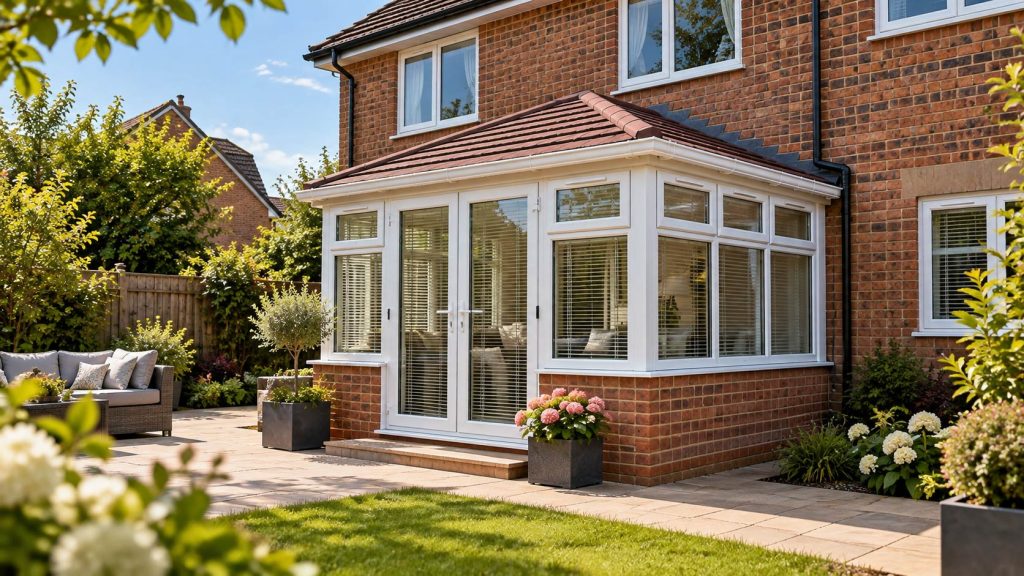
- It’s separated from the main house by external-quality walls, doors, or windows (such as French doors).
- It has its own independent heating system, separate from the main house heating.
- Glazing and electrical installations comply with the relevant safety standards.
In simple terms — if your conservatory is a standalone structure with its own heating and clear separation from your home, you usually won’t need Building Regulations approval.

When Building Regulations Are Required
You’ll likely need certification if your new conservatory changes the structure or energy performance of your home, for example:
- Removing the external wall or doors between the house and conservatory.
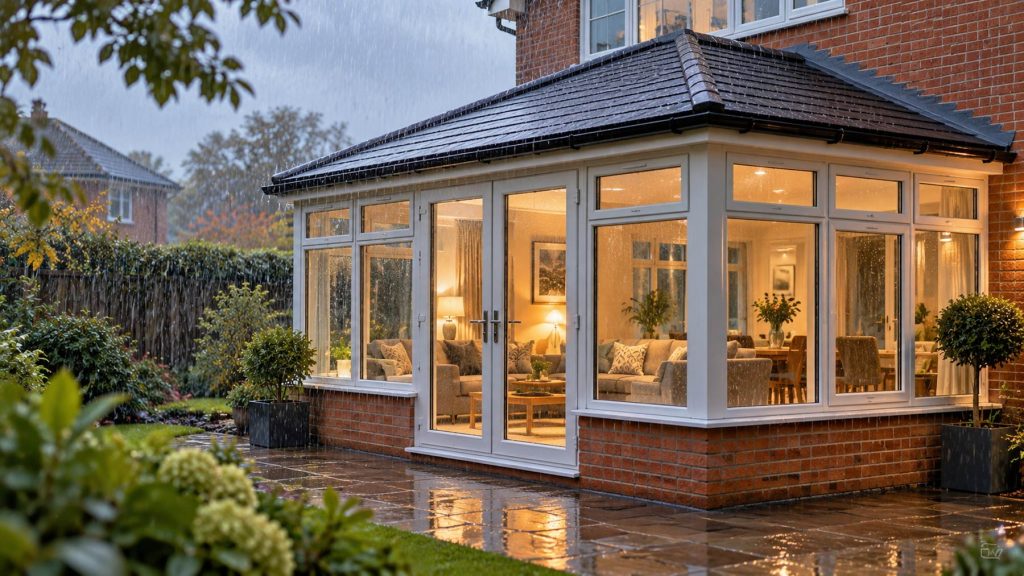
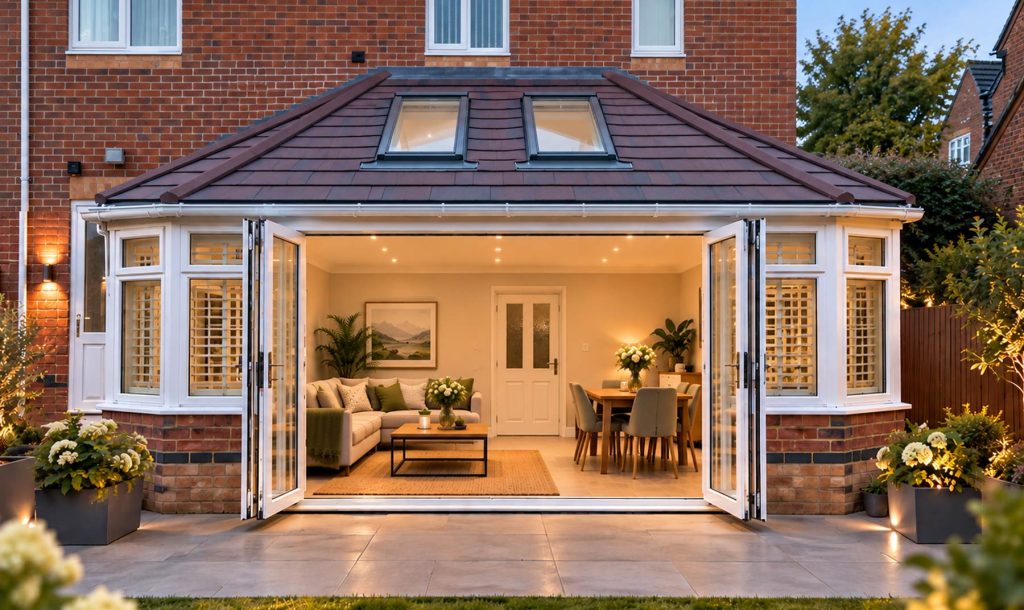
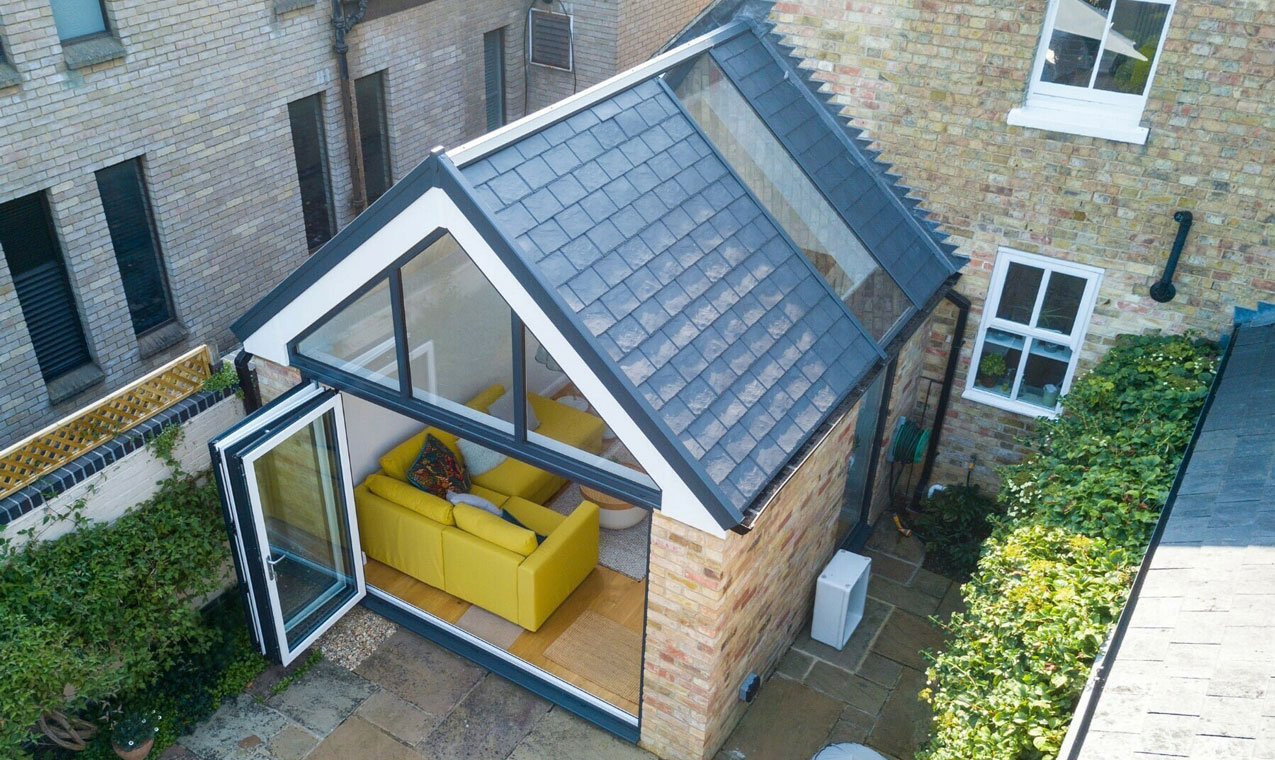
- Installing a solid or tiled replacement roof on an existing conservatory.
- Adding a conservatory that’s larger than 30m² or not built at ground level.
- Connecting it to your home’s main heating system.
- Using structural supports, foundations, or load-bearing changes to the existing property.
In these cases, the work must comply with Building Regulations to ensure the structure is safe, energy-efficient, and properly insulated.
What About Replacement Conservatory Roofs?
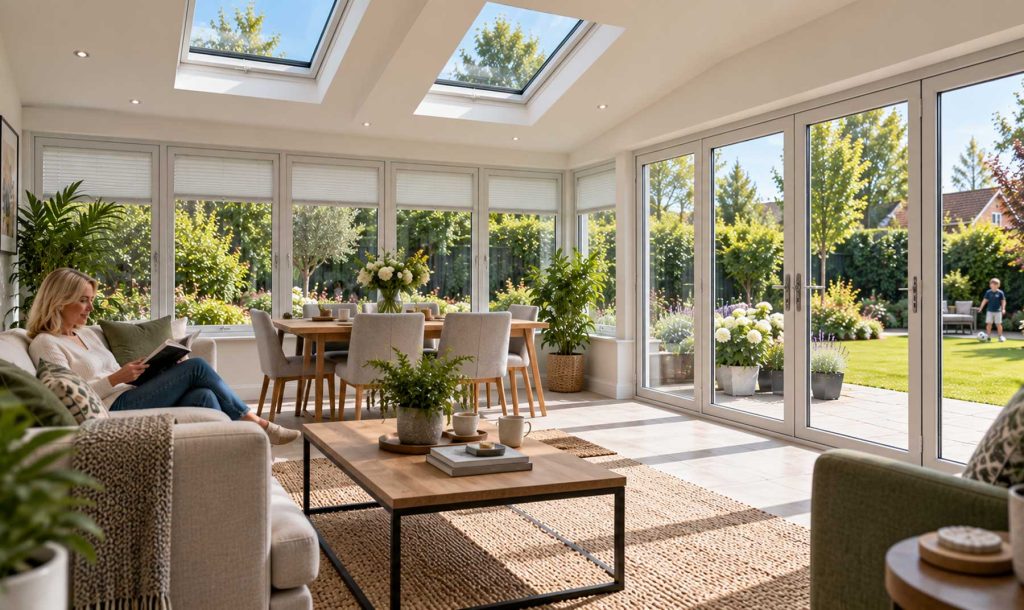
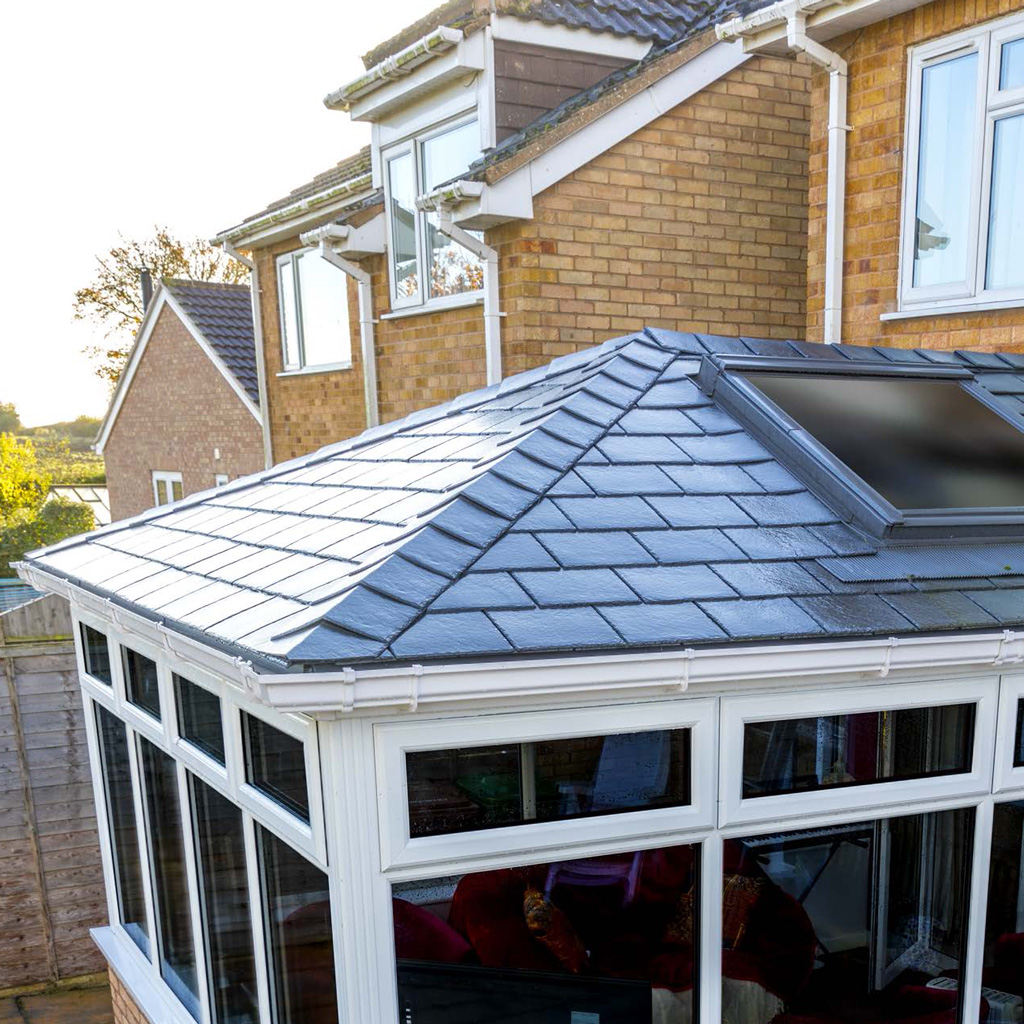
This is where many homeowners get caught out. If you’re upgrading from a glass or polycarbonate roof to a solid or tiled conservatory roof, you do need Building Regulations approval.
That’s because a solid roof changes how the structure performs — adding weight, altering insulation, and impacting how the conservatory connects to your home. A Building Regulations certificate ensures it’s structurally sound, thermally efficient, and legally recognised for resale or mortgage purposes.


How to Get a Building Regulations Certificate
At Cheshire Conservatories, we take care of this for you. Every solid or tiled roof installation we complete is fully certified under current Building Regulations, giving you peace of mind and a compliant installation from start to finish.
- Certified installations meet all structural and energy efficiency standards.
- Inspections and approvals handled by registered building control specialists.
- Completion certificate provided for your records and future property sales.
Still Unsure?
If you’re unsure whether your project needs Building Regulations certification, our experienced team is happy to advise. We’ll assess your plans and handle any necessary approvals so your new conservatory or replacement roof meets all legal standards.
For more detailed guidance, you can also visit the UK Planning Portal for official government advice.
Upgrade with Confidence
Whether you’re planning a brand-new conservatory or upgrading to a modern, energy-efficient replacement roof, we’ll make sure your installation is safe, certified, and built to last. Contact us today for expert advice or a free, no-obligation quote.